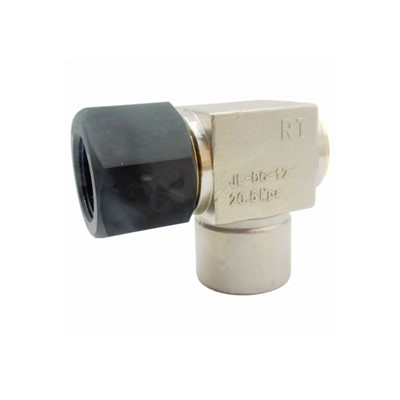
Rotary Joint for Hydraulic Oil

Reminder: The information on the page of each product is for marketing purposes only. Please contact our sales manager if you want to know the specific product details.


Company Profile


Shandong HanGe Sealing Technology Co., Ltd is affiliated with HanGe Group, which focuses on the "Rotation & Sealing" industry. The main products are Rotary Joints (Rotary Unions, Rotating Unions), Swivel Joints, Flexible Metal Hoses etc.
We have a professional import and export company (Shandong HanGe Import and Export Trade Co., Ltd) that imports seals for rotary joints and exports the rotary joints we produce all over the world.


Why Choose Us

One-stop Solution

We are committed to becoming a "supermarket" in the rotary joint industry, producing and supplying various types of rotary joints for different purposes. You can find any rotary joint you need and make a one-stop purchase.


High Quality

Steel industry, papermaking, packaging, plastics, printing and dyeing, rubber, chemical fiber, printing, aviation, glass, drying, cigarette, mining, electricity, petroleum, chemical, pharmaceutical, food, construction and other industries.

Production Equipment

Vertical Machining Center, CNC Lathe, Radial Drilling Machine, Grinding Machine, Hydraulic Press Machine.

Production Market

United States, Italy, Thailand, Bulgaria, Mexico, United Arab Emirates, South Africa, Russia, Iran, Chile etc.


First 12 Last 1/2

What Is Rotary Joint For Hydraulic Oil


Rotary joint for hydraulic oil are devices specifically designed to transfer hydraulic fluid from a stationary source to a rotating piece of equipment such as a shaft or spindle. They are used in applications in which the hydraulic fluid must be kept isolated from other fluids, such as air and water, as well as from mechanical contamination.


Rotary joint for hydraulic oil are typically made from metal and plastic components and are designed to be robust and reliable. The internal components of the device typically consist of two rotary union seals, a stationary seal, and a rotating seal, which allow the passage of the hydraulic fluid while keeping out other fluids or contaminants. The stationary seal is connected to the stationary source of the hydraulic fluid, and the rotating seal is connected to the rotating equipment.


Benefits of Rotary Joint For Hydraulic Oil


Durability
Constructed from robust materials such as hardened steel, stainless steel, or special alloys, rotary joints are engineered to withstand the high pressures and abrasive nature of hydraulic fluids, offering long service life and reliability.

Temperature Control
Some rotary joints incorporate heat dissipation features or coolant passages to manage the thermal buildup caused by high-pressure flow, helping to maintain fluid viscosity and system performance.

Compact Design
The compact nature of rotary joints allows them to fit into space-constrained applications, making them ideal for use in areas where larger components would not be feasible.

Versatility
Rotary joints for hydraulic oil can be used in a variety of industries and applications, including construction equipment, robotics, automotive manufacturing, and packaging machinery, among others.

Safety
By preventing leaks, rotary joints contribute to the overall safety of hydraulic systems by reducing the risk of fire or environmental hazards associated with hydraulic oil spills.


Working Principle of Rotary Joint For Hydraulic Oil
 

The working principle of rotary joint for hydraulic oil is to promote the rotary motion of the rotary joint through the hydraulic pressure in the hydraulic system. When the hydraulic oil in the hydraulic system enters the rotary joint for hydraulic oil through the oil inlet hole on the main structure, it is supported and sealed by the sealing structure, and finally transmits power through the transmission structure to drive the rotation of the joint. Through the internal structure and channel of the rotary joint for hydraulic oil, the liquid medium can be transmitted and supplied during the continuous rotation.


To sum up, the rotary joint for hydraulic oil plays a vital role in the hydraulic system. Its internal structure is reasonably designed and fully functional, including the main structure, sealing structure, transmission structure and accessories. The rotary joint for hydraulic oil can realize the transmission and supply of liquid medium by promoting the rotary motion of the joint by hydraulic pressure. When using the rotary joint for hydraulic oil, it is necessary to pay attention to keeping its internal structure clean and the sealing performance in good condition to ensure its normal operation and extend its service life.


Type of Rotary Joint For Hydraulic Oil
 
01/

O-ring fittings
These use an O-ring seal to create a tight seal between the two pipes or tubes, and are commonly used in high-pressure systems.

02/

Compression fittings
These use a compression nut and ferrule to create a seal between the two pipes or tubes, and are commonly used in low-pressure systems.

03/

Threaded fittings
These use threads to create a seal between the two pipes or tubes, and are commonly used in medium to high-pressure systems.

04/

Quick-connect fittings
These use a locking mechanism to quickly and easily connect and disconnect two pipes or tubes, and are commonly used in systems that require frequent maintenance or repair.


Application of Rotary Joint for Hydraulic Oil

Heavy Machinery

Construction equipment, cranes, excavators, and other heavy machinery often require hydraulic power for various functions. rotary joint for hydraulic oil enable the transfer of hydraulic fluid to rotating parts, allowing them to perform tasks efficiently.

01

Industrial Machinery

In manufacturing processes, machines with rotating components may require cooling fluids, lubricants, or hydraulic power. A hydraulic rotary union facilitates the transfer of these fluids to the rotating components.

02

Printing and Packaging

Printing presses and packaging machinery often have rotating cylinders that require ink, coatings, or other fluids. rotary joint for hydraulic oil ensure a continuous supply of these fluids while the machinery is in operation.

03

Wind Turbines

Rotary joint for hydraulic oil are used in wind turbines to transmit hydraulic fluid for pitch control, braking systems, and other functions from the stationary base to the rotating blades or nacelle.

04

Machine Tools

Certain machine tools, such as rotary tables and indexing heads, require hydraulic power for precision movement. A hydraulic rotary union allows the transmission of power to these rotating components.

05


How Does a Rotary Joint for Hydraulic Oil Work?
 

Rotary joint for hydraulic oils manufacturers make various varieties of rotary unions typically made from metal and plastic components. They are designed to offer robust and reliable performance.

As far as the composition of the internal components of the device is concerned, they typically consist of two rotary union seals, a stationary seal, and a rotating seal.
They allow the passage of the hydraulic fluid but keep the other fluids or contaminants out. The stationary seal is connected to the stationary source of the hydraulic fluid.

The rotating seal is connected to the rotating equipment.
This hydraulic rotary union also includes a bearing assembly, which allows the rotating seal to constantly be in contact with the stationary seal when the equipment rotates.

It also prevents any damage to the seals and allows the hydraulic fluid to transfer safely and smoothly.
Hydraulic rotary unions are used in a wide variety of applications, e.g., industrial equipment, medical devices, and the automotive industry.

As said before, the rotary unions for hydraulic oil are very useful components in several industries, they are always in high demand. Therefore, you need to ensure their quality before ordering the same. Always buy material from reliable suppliers.

液压旋转接头


How To Install Rotary Joint For Hydraulic Oil


When installing the rotary joint for hydraulic oil on a rotating device, care should be taken to keep the rotary joint and the rotating device in good coaxiality. Poor coaxiality causes radial swing when the rotary joint for hydraulic oil rotates. Swing is very harmful to composite rotary seals, mechanical rotary seals or bearings of rotary joints. For composite rotation, the periodic radial force causes radial sliding, the end face of the seal will be worn, and the dynamic oil film between the seal and the rotary joint housing is not easy to establish, which also makes the seal easy to wear. For mechanical rotary seals, radial swing will destroy the balance point of the static oil film, and may also cause radial contact between the dynamic ring and the static ring of the mechanical rotary seal, causing the metal ring to wear.


The fixing of the rotary joint housing is to prevent it from rotating synchronously with the mandrel, so it is sufficient to prevent it from rotating in a circle. Do not use more constraints. The radial or axial force acting on the housing will be transmitted to the bearing of the rotary joint for hydraulic oil and the internal rotary seal through the housing, forcing the bearing or seal to wear or damage.


When installing the oil pipe, it is very important to keep the oil port clean, which is also easy to be overlooked. It is very easy to bring contaminants into the oil port during installation. Particles always make sliding friction parts easy to wear. Since the oil film gap of mechanical rotary seal is very small, contaminants will scratch the sliding surface and even jam the mechanical rotary seal, so keeping it clean is more important for mechanical rotary seal.


The oil seal of the rotary joint is used to seal the rotating spindle, so that the leakage oil of the rotary seal is discharged back to the oil tank from the leakage oil pipe. The pressure resistance of the oil seal is usually not more than 3bar, so the leakage oil pipe must be allowed to return oil smoothly. During installation, the leakage oil port of the rotary joint must not be blocked. If there is a valve on the leakage oil pipe, it must be opened before the medium is introduced, otherwise the oil seal will inevitably be squeezed out. The leakage oil pipe cannot be merged into the return oil pipe, because the pressure of the return oil pipe usually exceeds 3bar. Do not install a filter on the leakage oil pipe.


Internal structure of rotary joint for hydraulic oil
 

The internal structure of the rotary joint for hydraulic oil adopts an advanced design, including the following main components: main structure, sealing structure, transmission structure and accessories.


The main structure is the main supporting part of the rotary joint for hydraulic oil, usually made of high-quality alloy steel material. It has sufficient strength and rigidity to withstand high pressure and torque in the hydraulic system. There are also some key processing holes and grooves on the main structure for connecting other components such as sealing structure and transmission structure.


The sealing structure is a very important part of the rotary joint for hydraulic oil. Its function is to ensure that the connection does not leak liquid medium and can withstand high pressure and temperature. Common sealing structures include O-rings, piston rings and gaskets. These sealing elements are usually made of wear-resistant and corrosion-resistant materials to ensure their long-term service life and reliability.


The transmission structure is the part of the rotary joint for hydraulic oil used to transmit rotary power, usually in the form of gears or hydraulic motors. The gear transmission structure has the advantages of simple structure and high transmission efficiency, and is suitable for most applications of rotary joint for hydraulic oils. The hydraulic motor transmission structure has the characteristics of a wide range of rotation speeds and smooth rotation, which is more suitable under specific working conditions.


The accessory components are auxiliary components of the rotary joint for hydraulic oil, mainly including the lubrication system and the cooling system. The lubrication system reduces wear and extends the service life by providing lubricating oil to the key parts inside the joint. The cooling system can reduce the operating temperature of the rotary joint for hydraulic oil in a high temperature environment by circulating coolant to ensure its normal and stable operation.


How to Install Rotary Joint For Hydraulic Oil
旋转接头 液压
液压旋转接头
液压旋转接头
旋转接头 液压

When installing the rotary joint for hydraulic oil on a rotating device, care should be taken to keep the rotary joint and the rotating device in good coaxiality. Poor coaxiality causes radial swing when the rotary joint for hydraulic oil rotates. Swing is very harmful to composite rotary seals, mechanical rotary seals or bearings of rotary joints. For composite rotation, the periodic radial force causes radial sliding, the end face of the seal will be worn, and the dynamic oil film between the seal and the rotary joint housing is not easy to establish, which also makes the seal easy to wear. For mechanical rotary seals, radial swing will destroy the balance point of the static oil film, and may also cause radial contact between the dynamic ring and the static ring of the mechanical rotary seal, causing the metal ring to wear.


The fixing of the rotary joint housing is to prevent it from rotating synchronously with the mandrel, so it is sufficient to prevent it from rotating in a circle. Do not use more constraints. The radial or axial force acting on the housing will be transmitted to the bearing of the rotary joint for hydraulic oil and the internal rotary seal through the housing, forcing the bearing or seal to wear or damage.


When installing the oil pipe, it is very important to keep the oil port clean, which is also easy to be overlooked. It is very easy to bring contaminants into the oil port during installation. Particles always make sliding friction parts easy to wear. Since the oil film gap of mechanical rotary seal is very small, contaminants will scratch the sliding surface and even jam the mechanical rotary seal, so keeping it clean is more important for mechanical rotary seal.


The oil seal of the rotary joint is used to seal the rotating spindle, so that the leakage oil of the rotary seal is discharged back to the oil tank from the leakage oil pipe. The pressure resistance of the oil seal is usually not more than 3bar, so the leakage oil pipe must be allowed to return oil smoothly. During installation, the leakage oil port of the rotary joint must not be blocked. If there is a valve on the leakage oil pipe, it must be opened before the medium is introduced, otherwise the oil seal will inevitably be squeezed out. The leakage oil pipe cannot be merged into the return oil pipe, because the pressure of the return oil pipe usually exceeds 3bar. Do not install a filter on the leakage oil pipe.


Our Factory


Shandong HanGe Sealing Technology Co., Ltd is affiliated with HanGe Group, which focuses on the "Rotation & Sealing" industry. The main products are Rotary Joints (Rotary Unions, Rotating Unions), Swivel Joints, Flexible Metal Hoses etc.


productcate-1-1

productcate-1-1


FAQ


Q: What is the purpose of a rotary joint for hydraulic oil?

A: A rotary joint allows the transmission of hydraulic fluid from a stationary supply to a rotating component, such as a rotating cylinder, without any leakage. It is essential in applications where precise fluid control and rotation are needed.

Q: How does a rotary joint for hydraulic oil maintain a seal?

A: It uses a combination of mechanical seals, O-rings, or dynamic seals that are designed to maintain contact with the rotating surfaces under high pressure, thus preventing the escape of the hydraulic fluid.

Q: What materials are rotary joints for hydraulic oil made from?

A: They are usually made from high-grade metals like carbon steel, stainless steel, or aluminum alloy for the body, and the seals are made from durable materials like PTFE, Viton, or Buna-N to withstand the high pressures and temperatures of hydraulic oils.

Q: What factors affect the selection of a rotary joint for hydraulic oil?

A: Factors include the working pressure and temperature of the hydraulic oil, the required flow rate, the angle of rotation, the type of motion (continuous or intermittent), and the environmental conditions (such as exposure to corrosive substances).

Q: Can rotary joints for hydraulic oil handle high-pressure applications?

A: Yes, they are specifically designed to handle a wide range of pressures, typically up to several thousand pounds per square inch (PSI), depending on the design and construction of the joint.

Q: How are rotary joints for hydraulic oil lubricated?

A: Most rotary joints are self-lubricating due to the hydraulic oil itself, which passes through the joint and keeps the moving parts properly lubricated. In some cases, additional lubrication may be required, particularly in high-temperature applications.

Q: What is the expected lifespan of a rotary joint for hydraulic oil?

A: The lifespan can vary significantly based on the quality of the joint, the operating conditions, and the maintenance practices. Proper installation and regular maintenance can extend the life to several years.

Q: How are rotary joints for hydraulic oil maintained and serviced?

A: Regular inspections for signs of wear or leaks are essential. Maintenance may involve cleaning, re-tightening connections, replacing seals, or lubricating moving parts. Severe damage may require complete replacement of the joint.

Q: What safety precautions should be taken when using rotary joints for hydraulic oil?

A: Always follow the manufacturer's guidelines for installation, operation, and maintenance. Ensure that the joint is rated for the specific hydraulic oil being used and that all connections are secure. Regular inspections for leaks or wear are critical to prevent accidents.

Q: Are there any environmental considerations when using rotary joints for hydraulic oil?

A: Proper containment and handling of hydraulic oil are essential to prevent environmental contamination. Regular checks for leaks and proper disposal of old fluid are required by environmental regulations in many regions.

Q: What does a hydraulic rotary union do?

A: The primary function of a hydraulic rotary union is to provide a leak-free passage for fluids between the stationary and rotating parts of a system. This is achieved through a combination of seals, bearings, and a housing designed to contain the fluid and prevent leakage, even as the connected components rotate.

Q: What is the function of a hydraulic swivel?

A: A swivel is composed by two main parts: a stem and a housing; their mutual rotation is the key principle that allows for smooth rotation and movement between stationary and rotating parts, preventing flow restrictions and premature failures.

Q: What is a hydraulic rotary?

A: Hydraulic rotary actuators are typically utilized for applications requiring high torques. Common design configurations for hydraulic rotary actuators include piston type, vane type, or gear type. In piston-type actuators, pressurized hydraulic fluid is us

Q: How does a hydraulic swivel joint work?

A: At the core of any hydraulic swivel joint, there exist two components, namely the input component and the output component. The function of the input is to uphold the reception of fluid, while the output component models this received fluid to a pathway creating rotation.

As one of the leading rotary joint for hydraulic oil manufacturers in China, we warmly welcome you to wholesale rotary joint for hydraulic oil made in China here from our factory. All customized products are with high quality and low price. For quotation, contact us now.

hydraulic rotary joint for sequence valves, hydraulic rotary joint for butterfly valves, hydraulic rotary joint for hydraulic variable flow valves

(0/10)

clearall