


Rotary Union for Hydraulics
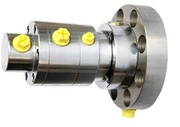
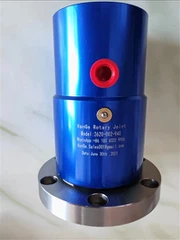
How to deal with hydraulic oil return adapter oil leakage? As a key equipment connecting fixed and rotating components in hydraulic systems, the normal operation of hydraulic oil rotary joints is crucial to ensure the efficiency and stability of the entire system.
Rotary Union For Hydraulics
How to deal with hydraulic oil return adapter oil leakage?
As a key equipment connecting fixed and rotating components in hydraulic systems, the normal operation of hydraulic oil rotary joints is crucial to ensure the efficiency and stability of the entire system. However, in practice, it is inevitable to encounter oil leakage in the hydraulic oil return adapter, which not only causes waste of hydraulic oil, increases operating costs, but also may lead to environmental pollution, equipment failures, and other problems. In response to this issue, the following will provide a detailed introduction to the handling methods for hydraulic oil return adapter oil leakage, in order to help users solve such faults in a timely and effective manner.
Firstly, upon discovering oil leakage from the hydraulic oil return adapter, the equipment should be immediately stopped and a detailed inspection should be conducted. Identifying the specific location of the oil leak is the first step in dealing with the problem, which may include parts such as the joint body, seals, and connecting threads. Carefully observing the form of oil leakage (such as droplets, sprays, leaks, etc.) and the speed of oil leakage can help determine the cause and severity of the oil leakage.
Secondly, preliminarily determine the cause of the malfunction based on the location and characteristics of the oil leakage. Common causes of oil leakage include seal wear, aging, or improper installation, cracks or deformations in the joint body, and loose connection parts. For the issue of seals, it is possible to consider replacing them with new and compliant seals, and strictly follow the manufacturer's guidelines for correct installation; If there is structural damage to the main body of the joint, it may be necessary to replace the entire joint; For loose connections, professional tools should be used to tighten them to the specified torque.
After completing the preliminary treatment mentioned above, restart the equipment and conduct a trial run to observe whether the oil leakage situation has improved. If the oil leakage problem still exists or relapses, further investigation may be needed. At this point, professional methods such as pressure testing, ultrasonic testing, and endoscopic inspection can be used to accurately identify the source of oil leakage. Possible factors involved include abnormal pressure caused by blockage of internal dirt in the joint, insufficient assembly accuracy leading to sealing failure, and the impact of usage environment (such as temperature, humidity, dust, etc.) on material performance.
Take targeted maintenance measures based on the specific underlying causes identified. For example, cleaning or replacing clogged filters to maintain oil cleanliness, adjusting equipment operating parameters to reduce local pressure peaks, improving equipment usage environments, or selecting joint materials that are suitable for special environments. During the maintenance process, follow the maintenance manual and industry standards to ensure the quality of maintenance.
Finally, do a good job in preventive maintenance to reduce the occurrence of hydraulic oil return adapter oil leakage problems. Regularly inspect the appearance, sealing status, and connection tightness of the joints, and replace expired or worn seals in a timely manner; Perform regular maintenance according to the manufacturer's recommendations, including cleaning, lubrication, adjustment, and other tasks; Monitor the operating parameters of the hydraulic system, such as pressure, flow rate, temperature, etc., to ensure they are within the normal range; Strengthen operator training to improve their understanding and fault identification ability of hydraulic equipment.
Hot Tags: rotary union for hydraulics, China rotary union for hydraulics manufacturers, factory, hydraulic rotary joint for hydraulic variable anti lock valves, rotary union for hydraulics, hydraulic rotary joint for hydraulic variable backup valves, rotary joint for cranes with hydraulic systems, rotary joint for hydraulic ball valves, hydraulic rotary joint for hydraulic variable humidity valves




Send Inquiry
