

What are the special requirements for a rotary union in a medical device?
Apr 21, 2026
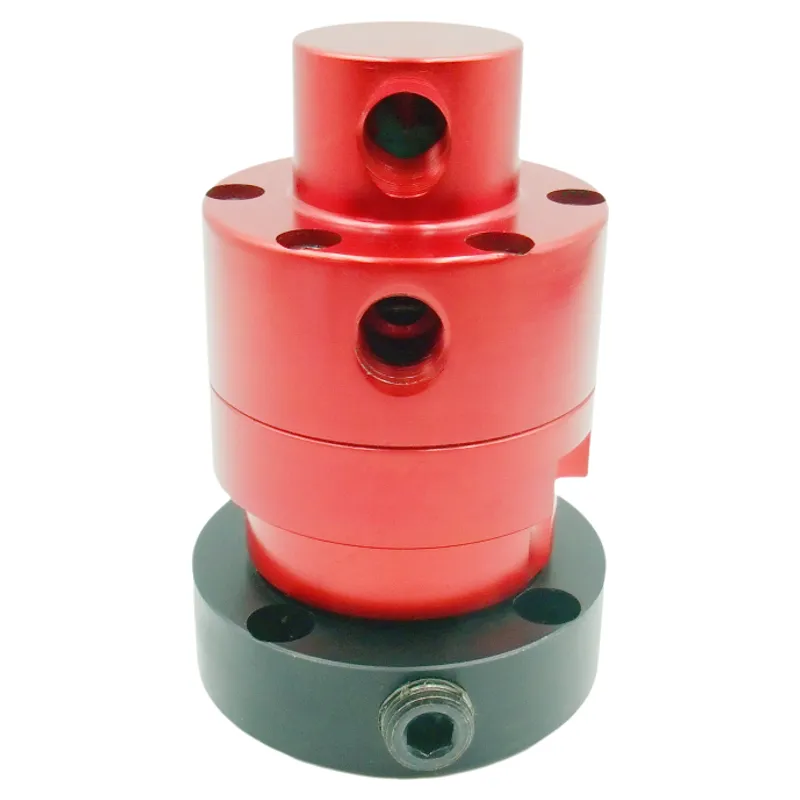

Hygiene and Biocompatibility
One of the most critical requirements for a rotary union in a medical device is hygiene. Medical devices are often used in sterile environments, and any contamination can pose a significant risk to patients. Therefore, the materials used in the rotary union must be biocompatible and resistant to corrosion and bacteria growth. Stainless steel is a popular choice due to its excellent corrosion resistance and ease of cleaning. Additionally, the design of the rotary union should minimize crevices and dead spaces where bacteria can accumulate.
Precision and Reliability
Medical devices require high levels of precision and reliability to ensure accurate diagnosis and treatment. Rotary unions must be able to maintain a consistent flow of fluids or gases, even under high pressure and rotation speeds. Any leakage or fluctuation in flow can lead to inaccurate readings or ineffective treatment. Therefore, the design and manufacturing of the rotary union must be of the highest quality, with tight tolerances and reliable seals.
Sterilization Compatibility
Medical devices are frequently sterilized to prevent the spread of infection. Rotary unions must be able to withstand the sterilization process without compromising their performance. Common sterilization methods include autoclaving, ethylene oxide (EtO) sterilization, and gamma irradiation. The materials and design of the rotary union must be compatible with these sterilization methods to ensure long-term durability and functionality.
Compact Design
Medical devices often have limited space, and rotary unions must be designed to fit within these constraints. A compact design not only saves space but also reduces the weight of the device, making it more portable and user-friendly. As a supplier, we offer a range of compact rotary unions that are specifically designed for medical applications.
Customization
Medical devices come in a wide variety of shapes and sizes, and each device may have unique requirements for the rotary union. As a supplier, we understand the importance of customization and offer a range of options to meet the specific needs of our customers. Whether it's a special size, material, or configuration, we can work with you to develop a custom rotary union that meets your exact specifications.
Examples of Rotary Unions in Medical Devices
- Coolant Rotary Joint: In medical imaging equipment, such as MRI and CT scanners, coolant rotary joints are used to circulate coolant to prevent overheating. These joints must be able to handle high pressures and temperatures while maintaining a leak-free seal. Coolant Rotary Joint
- Rotary Union Coupling: In surgical robots and other medical equipment, rotary union couplings are used to transmit power and fluids between rotating and stationary parts. These couplings must be able to withstand high torque and rotation speeds while maintaining a stable connection. Rotary Union Coupling
- Hydraulic Rotary Swivel Joint: In hydraulic systems used in medical devices, such as patient lifts and surgical tables, hydraulic rotary swivel joints are used to allow for the rotation of hydraulic lines. These joints must be able to handle high pressures and provide a smooth and reliable flow of hydraulic fluid. Hydraulic Rotary Swivel Joint
Conclusion
In conclusion, the special requirements for a rotary union in a medical device are driven by the need for hygiene, precision, reliability, sterilization compatibility, compact design, and customization. As a rotary union supplier, we are committed to providing high-quality products that meet the stringent standards of the medical device industry. If you are in the market for a rotary union for your medical device, we invite you to contact us to discuss your specific requirements. Our team of experts will work with you to develop a custom solution that meets your needs and exceeds your expectations.
References
- Smith, J. (2020). Medical Device Design and Development. Springer.
- Jones, A. (2019). Biocompatible Materials in Medical Devices. Elsevier.
- Brown, C. (2018). Sterilization Techniques for Medical Devices. Wiley.