


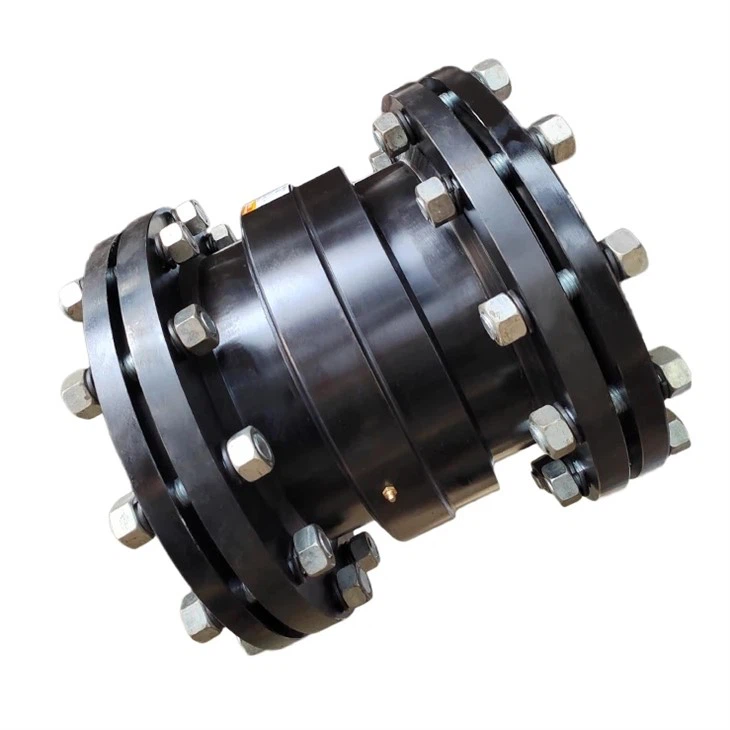

Hot Oil Rotary Joint
The selection of rotary joint materials suitable for high-temperature fluid transmission is a critical task, which directly affects the safety, efficiency, and service life of the equipment.
Hot Oil Rotary Joint
The selection of rotary joint materials suitable for high-temperature fluid transmission is a critical task, which directly affects the safety, efficiency, and service life of the equipment. When facing fluids such as steam, hot oil, or high-temperature chemical solvents in high-temperature environments, the selection of joint materials should focus on the following aspects:
High temperature resistance:
The material should have excellent heat resistance, be able to maintain its physical properties stable at the expected maximum working temperature, and not experience softening, deformation, or strength decline. Common high-temperature materials include stainless steel (such as 316, 310, Inconel, etc.), special alloys (such as Hastelloy, Monel, etc.), ceramic composites, and some high-performance plastics (such as PTFE).
Corrosion resistance:
High temperature fluids may be corrosive, especially certain chemical solvents or hot oils containing impurities. Choosing materials with strong corrosion resistance can prevent premature failure of joints due to chemical erosion. Stainless steel, nickel based alloys, and special alloys are often used in such applications due to their excellent oxidation and corrosion resistance.
Mechanical strength and hardness:
Under high temperature and high-speed rotation conditions, the joint bears significant mechanical stress. The material should have sufficient strength and hardness to resist wear, fatigue cracks, and deformation. High strength alloys, hard alloy coatings, or hard metal sealing surfaces can enhance the mechanical stability of joints.
Selection of sealing materials:
Sealing components (such as O-rings, dynamic rings, static rings, etc.) should be made of materials that are resistant to high temperatures and compatible with the fluid medium, such as perfluoroether rubber, silicone rubber, graphite, silicon carbide, metal corrugated pipes, etc. These materials can maintain good elasticity and sealing performance at high temperatures, while resisting chemical erosion from the medium.
In summary, the selection of rotary joint materials suitable for high-temperature fluid transmission is a comprehensive consideration process, which requires detailed analysis and comparative testing based on specific operating conditions (such as temperature, pressure, fluid characteristics, speed, etc.), application requirements (such as safety, reliability, efficiency), and economic factors to select the most suitable material combination. Working closely with professional manufacturers or material suppliers, utilizing their expertise and experience, can help make the best decisions.
Hot Tags: hot oil rotary joint, China hot oil rotary joint manufacturers, factory, thermal oil compatibility check rotary joint, rotary joint for purifying thermal oil, rotary joint for minimizing thermal oil resistance, rotary joint for thermal oil heat exchangers, rotary joint for safe operation with thermal oil, innovative rotary joint for thermal oil


Send Inquiry
