


Stainless Steel Rotary Union
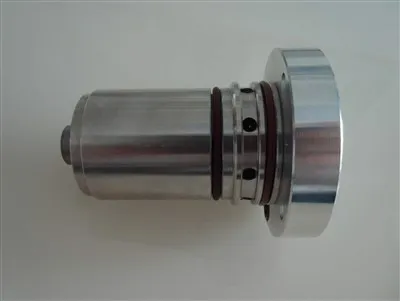
Stainless steel rotary joints, also known as stainless steel swivel joints or rotating unions, are highly specialized mechanical components that facilitate the seamless transfer of fluids, such as water, steam, hydraulic oil, or chemicals, between stationary and rotating parts in various industrial systems.
Stainless Steel Rotary Union
Stainless steel rotary joints, also known as stainless steel swivel joints or rotating unions, are highly specialized mechanical components that facilitate the seamless transfer of fluids, such as water, steam, hydraulic oil, or chemicals, between stationary and rotating parts in various industrial systems. Combining the exceptional corrosion resistance and durability of stainless steel with advanced engineering design, these devices offer reliable performance and longevity in demanding environments. The following overview delves into the key features, applications, and benefits of stainless steel rotary joints.
Design and Construction
Stainless steel rotary joints are meticulously engineered to withstand the rigors of continuous rotation while maintaining a leak-free connection between stationary and moving fluid lines. The core of the joint typically consists of a rotor, which rotates along with the connected equipment, and a stator, fixed within the housing and interfacing with the rotor to form a tight seal. High-quality stainless steel, often grades 304 or 316, is used for both internal components and the outer housing due to its excellent corrosion resistance, strength, and ability to maintain structural integrity under high pressures and temperatures.
Sealing technology plays a crucial role in ensuring the reliability of stainless steel rotary joints. Depending on the application and fluid type, various sealing systems may be employed, including single or double lip seals, labyrinth seals, graphite or ceramic sealing elements, or even magnetic or hydrostatic seals for particularly challenging conditions. These seals effectively prevent fluid leakage while accommodating axial, radial, and angular misalignments that may occur during operation.
Applications
Stainless steel rotary joints find extensive use across a broad range of industries where the conveyance of fluids in rotating systems is essential. Some prominent examples include:
• Pulp and Paper Industry
In paper machines, rotary joints transfer water, steam, and chemicals to rotating cylinders for heating, cooling, and surface treatment.
• Chemical and Pharmaceutical Processing
They are used in agitators, mixers, and reactors to supply or discharge process fluids without interrupting the equipment's rotational motion.
• Food and Beverage Production
Stainless steel rotary joints ensure hygienic and efficient transfer of cleaning agents, water, or product fluids in filling, packaging, and processing equipment.
• Semiconductor Manufacturing
In cleanroom environments, they provide leak-proof connections for ultra-pure water, chemical gases, or vacuum systems associated with wafer processing tools.
• Metal Processing and Welding
Rotary joints facilitate the flow of cooling water or shielding gas to rotating spindles, welding guns, or other rotating machinery.
Benefits
The choice of stainless steel for rotary joints confers several distinct advantages:
1. Corrosion Resistance
The inherent corrosion-resistant properties of stainless steel make these joints ideal for use with aggressive fluids, humid environments, or applications where exposure to corrosive gases or chemicals is likely.
2. Hygiene and Cleanability
Stainless steel's smooth, non-porous surface promotes easy cleaning and sterilization, making it suitable for food, pharmaceutical, and medical applications where stringent hygiene standards must be met.
3. Temperature and Pressure Tolerance
High-grade stainless steels can withstand extreme temperatures and pressures, allowing rotary joints to function reliably in high-pressure wash systems, steam applications, or processes involving hot or cryogenic fluids.
4. Long Service Life
The durability and wear-resistance of stainless steel contribute to extended operational life and reduced maintenance requirements, translating into lower lifecycle costs.
In conclusion, stainless steel rotary joints represent a robust and versatile solution for fluid transfer in rotating systems across various industries. Their superior corrosion resistance, hygienic properties, ability to withstand harsh operating conditions, and long service life make them an invaluable asset in ensuring efficient, safe, and reliable fluid handling operations.
Hot Tags: stainless steel rotary union, China stainless steel rotary union manufacturers, factory, leak proof rotary union, rotary union for circulation, rotary union for cooling, rotary union for stamping machines, rotary union for automation, hydraulic rotary swivel




Send Inquiry
