

How do I predict the aging process of rotary joint seals?
Jan 07, 2026
Hey there! As a supplier of rotary joint seals, I often get asked about predicting the aging process of these seals. It's a crucial topic because understanding how and when seals will age can save a ton of time, money, and headaches for our customers. In this blog, I'll share some insights on how I go about predicting the aging of rotary joint seals based on my experience in the industry.
Understanding the Basics of Rotary Joint Seals
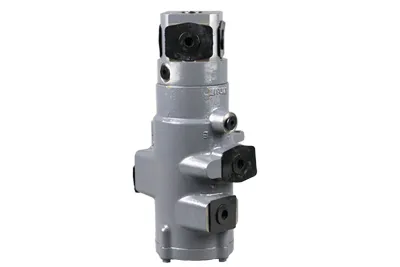
Before we dive into prediction methods, let's quickly go over what rotary joint seals are. Rotary joint seals are essential components in many industrial applications. They're used to prevent leakage of fluids or gases while allowing rotation between two parts. You can check out some types of rotary joints like the Rotary Pressure Joint, Multi Passage Rotary Union, and Pneumatic Rotary Joint for more details on their applications and features.
Factors Affecting the Aging of Rotary Joint Seals
The aging process of rotary joint seals is influenced by a variety of factors. Let's take a closer look at the main ones:
1. Operating Environment
The environment in which the rotary joint seal operates plays a huge role in its aging. For example, high temperatures can cause the seal material to become brittle and crack over time. If a seal is constantly exposed to temperatures above its recommended range, say 150°C when it's only designed for up to 100°C, the heat can break down the chemical bonds in the rubber or other seal materials.
On the other hand, extreme cold can make the seal lose its flexibility. In cold environments, the seal may harden and not be able to maintain a proper seal, leading to leaks. Humidity is another factor. High humidity can cause corrosion on metal parts of the rotary joint and also promote the growth of mold on the seal, which can damage its integrity.
2. Fluid Compatibility
The type of fluid or gas that the seal comes into contact with is crucial. Some fluids can be highly reactive with certain seal materials. For instance, if you're using a seal made of nitrile rubber in a system with a petroleum-based fluid, it might work just fine. But if you suddenly switch to a chemical solvent that's incompatible with nitrile rubber, the seal can swell, dissolve, or become severely degraded. This is why it's so important to choose the right seal material based on the fluid it will be in contact with.
3. Mechanical Stress
Rotary joint seals are constantly under mechanical stress. The rotational motion, pressure fluctuations, and vibrations can all take a toll on the seal. High rotational speeds can cause excessive friction between the seal and the mating surface. Over time, this friction can wear down the seal material. Pressure variations can also cause the seal to expand and contract, leading to fatigue and eventual failure.
Prediction Methods
Now that we know the factors affecting aging, how do we predict it?
1. Historical Data Analysis
One of the simplest and most effective ways is to analyze historical data. If we've supplied the same type of rotary joint seals to similar applications in the past, we can look at how long those seals lasted and what led to their failure. For example, if we find that in a particular manufacturing plant where the rotary joints are exposed to high temperatures and corrosive fluids, the seals typically last about 6 months before showing signs of significant wear, we can use this information as a benchmark for similar new installations.
2. Condition Monitoring
Real - time condition monitoring is becoming increasingly popular. We can use sensors to measure various parameters such as temperature, pressure, vibration, and leakage rate. If the temperature of the rotary joint starts to increase steadily over time, it could be a sign that the seal is experiencing more friction and is starting to age. Similarly, an increase in the leakage rate is a clear indication that the seal's performance is deteriorating.
By continuously monitoring these parameters, we can detect early signs of aging and take preventive measures before a complete failure occurs. For example, if the vibration levels exceed a certain threshold, it might be a sign of misalignment or excessive wear, and we can schedule maintenance or replacement of the seal.
3. Material Testing
Another approach is to conduct material testing on the seals. We can take samples from the seals at regular intervals and perform tests such as hardness testing, tensile strength testing, and chemical analysis. A change in the hardness of the seal material can indicate that the seal is aging. If the seal becomes too hard or too soft compared to its original specifications, it's likely that the seal's performance will be affected.
Chemical analysis can also reveal if the seal material has been degraded by the fluid or the environment. For example, if we detect the presence of certain chemical compounds in the seal material that shouldn't be there, it could mean that the seal is being attacked by the fluid or other external factors.
Case Studies
Let me share a couple of real - life case studies to illustrate how these prediction methods work.
Case Study 1: A Food Processing Plant
In a food processing plant, we supplied rotary joint seals for a conveyor system that used hot water and steam. We knew from historical data that in similar applications, the seals typically lasted about a year. However, we also installed sensors to monitor the temperature and pressure of the rotary joints.
After a few months, the sensors detected a gradual increase in temperature. We conducted a material test on the seals and found that the hardness of the seal material had increased slightly. This was a sign that the seals were starting to age due to the high - temperature environment. Based on this information, we recommended that the plant schedule a seal replacement in the next few months, which they did. This proactive approach saved them from a potential breakdown and costly downtime.
Case Study 2: A Chemical Manufacturing Facility
In a chemical manufacturing facility, the rotary joint seals were in contact with a highly corrosive chemical. We used a combination of historical data, condition monitoring, and material testing. The historical data showed that the seals in similar chemical applications usually lasted around 8 months.
The condition monitoring sensors detected a small increase in the leakage rate after 6 months. A chemical analysis of the seal material revealed that it had been degraded by the chemical. We immediately informed the facility, and they replaced the seals. This prevented a major chemical leak, which could have been a safety hazard and caused significant environmental damage.
Conclusion
Predicting the aging process of rotary joint seals is not an exact science, but by considering the factors that affect aging and using methods like historical data analysis, condition monitoring, and material testing, we can get a pretty good idea of when a seal is likely to fail. This allows us to take proactive measures to prevent breakdowns and ensure the smooth operation of industrial equipment.

If you're in need of rotary joint seals or have questions about predicting their aging process, don't hesitate to reach out. We'd be more than happy to discuss your specific needs and provide the best solutions for your applications.
References
- "Handbook of Seal Technology" by John H. Berruti
- "Rotary Joints and Seals: Design, Selection, and Maintenance" by Industrial Sealing Association