

How does the vibration affect a steam rotary joint?
Oct 30, 2025
Vibration is a common phenomenon in industrial environments, and its impact on steam rotary joints is a critical concern for many industries. As a supplier of steam rotary joints, I have witnessed firsthand how vibration can affect the performance, reliability, and lifespan of these essential components. In this blog post, I will delve into the various ways in which vibration impacts steam rotary joints and discuss strategies to mitigate these effects.
Understanding Steam Rotary Joints
Before we explore the impact of vibration, let's briefly understand what steam rotary joints are and their importance in industrial applications. A steam rotary joint is a mechanical device that allows the transfer of steam or other fluids from a stationary source to a rotating component, such as a drum, roll, or spindle. These joints are widely used in industries such as paper, textile, food processing, and chemical manufacturing, where they play a crucial role in heating, drying, and other processes.
Types of Steam Rotary Joints
There are several types of steam rotary joints available in the market, each designed to meet specific application requirements. Some of the common types include:
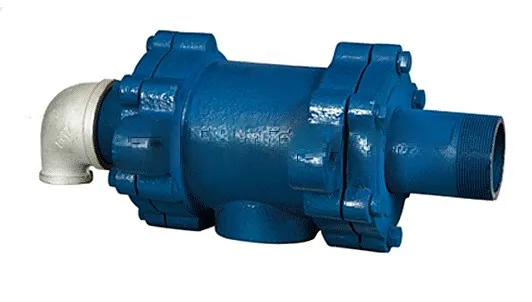
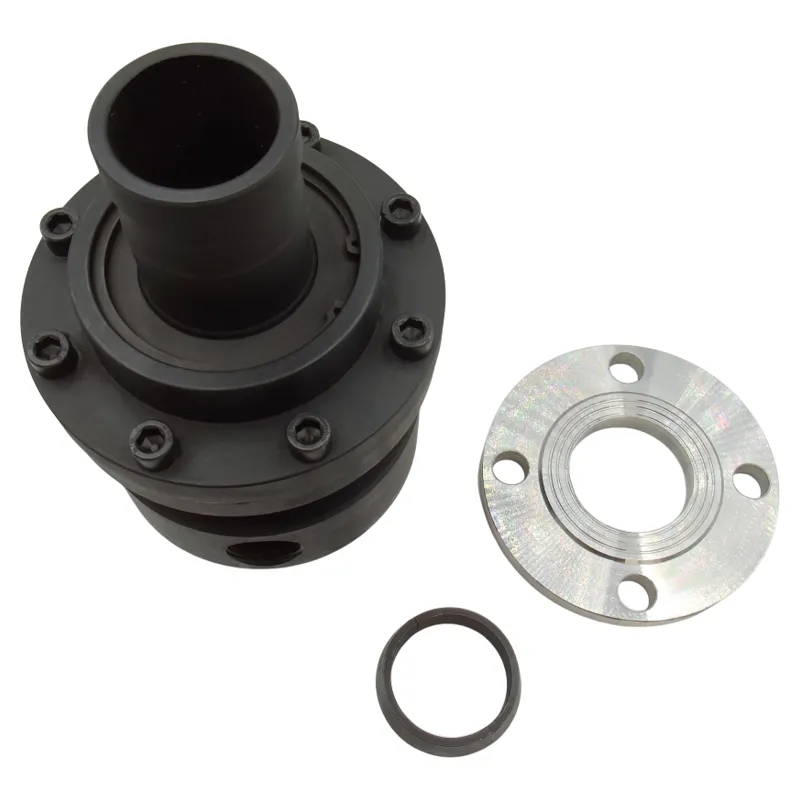
- High Temperature Rotary Union: This type of rotary joint is designed to handle high-temperature steam applications. It is typically made of materials that can withstand extreme temperatures and pressures. High Temperature Rotary Union
- QS-X Cast Iron Two-Way Circulation Rotary Joint: This joint is suitable for applications that require two-way circulation of steam or other fluids. It is made of cast iron, which provides excellent durability and resistance to corrosion. QS-X Cast Iron Two-Way Circulation Rotary Joint
- High-Temperature Stainless Steel Steam Flange Rotary Joint: This joint is designed for high-temperature applications and is made of stainless steel, which offers superior corrosion resistance and strength. High-Temperature Stainless Steel Steam Flange Rotary Joint
Impact of Vibration on Steam Rotary Joints
Vibration can have several negative effects on steam rotary joints, including:
- Wear and Tear: Vibration can cause excessive wear and tear on the internal components of the rotary joint, such as seals, bearings, and shafts. This can lead to premature failure of the joint and increased maintenance costs.
- Leakage: Vibration can cause the seals in the rotary joint to loosen or become damaged, resulting in steam or fluid leakage. This not only leads to energy losses but also poses a safety hazard in the workplace.
- Misalignment: Vibration can cause the rotary joint to become misaligned, which can affect its performance and efficiency. Misalignment can also lead to increased stress on the joint and its components, further accelerating wear and tear.
- Noise and Vibration Transmission: Vibration can generate noise and transmit it throughout the system, which can be a nuisance to workers and may also indicate a problem with the rotary joint or the system.
Causes of Vibration in Steam Rotary Joints
There are several factors that can cause vibration in steam rotary joints, including:
- Imbalance: Imbalance in the rotating components of the system, such as the drum or roll, can cause vibration. This can be due to uneven loading, wear and tear, or manufacturing defects.
- Resonance: Resonance occurs when the natural frequency of the rotary joint or the system matches the frequency of the vibration source. This can cause the vibration to amplify, leading to increased stress and damage to the joint.
- Poor Installation: Improper installation of the rotary joint, such as incorrect alignment or tightening of bolts, can cause vibration. This can also lead to premature failure of the joint and increased maintenance costs.
- External Factors: External factors, such as nearby machinery or equipment, can also cause vibration in the steam rotary joint. This can be due to the transfer of vibration through the floor or other structural components.
Mitigating the Impact of Vibration
To mitigate the impact of vibration on steam rotary joints, several strategies can be implemented, including:
- Proper Installation: Ensure that the rotary joint is installed correctly, following the manufacturer's instructions. This includes proper alignment, tightening of bolts, and use of appropriate gaskets and seals.
- Balancing: Balance the rotating components of the system to reduce vibration. This can be done by using balancing equipment or by redistributing the load on the components.
- Vibration Isolation: Use vibration isolation techniques, such as rubber mounts or dampers, to reduce the transfer of vibration from the source to the rotary joint.
- Regular Maintenance: Perform regular maintenance on the rotary joint, including inspection, lubrication, and replacement of worn components. This can help to prevent premature failure of the joint and ensure its optimal performance.
- Monitoring: Monitor the vibration levels of the rotary joint and the system regularly using vibration sensors or other monitoring equipment. This can help to detect any potential problems early and take appropriate action to prevent further damage.
Conclusion
In conclusion, vibration can have a significant impact on the performance, reliability, and lifespan of steam rotary joints. As a supplier of steam rotary joints, we understand the importance of ensuring that our products are designed and manufactured to withstand the effects of vibration. By implementing the strategies outlined in this blog post, you can help to mitigate the impact of vibration on your steam rotary joints and ensure their optimal performance and longevity.
If you are interested in learning more about our steam rotary joints or have any questions about vibration and its impact on these components, please feel free to contact us. We would be happy to discuss your specific requirements and provide you with the best solutions for your application.
References
- [Steam Rotary Joint Handbook](Publisher, Year)
- [Industrial Vibration Analysis and Monitoring](Author, Publisher, Year)
- [Rotary Joint Installation and Maintenance Guide](Manufacturer, Year)