

What causes leakage in a rotary union?
May 20, 2026
Rotary unions are crucial components in various industrial applications, facilitating the transfer of fluids, gases, or electrical signals between stationary and rotating parts. However, one of the most common issues faced with rotary unions is leakage. As a rotary union supplier, I have witnessed firsthand the impact of leakage on industrial operations. In this blog, I will delve into the various causes of leakage in a rotary union, providing insights and solutions to help you address this problem effectively.
Seal Wear and Tear
One of the primary causes of leakage in a rotary union is seal wear and tear. Seals are designed to prevent the escape of fluids or gases from the rotary union. Over time, continuous rotation and exposure to harsh operating conditions can cause the seals to degrade, leading to leakage. Factors such as high pressure, temperature fluctuations, and abrasive particles in the fluid can accelerate seal wear.
To mitigate seal wear, it is essential to choose high-quality seals that are compatible with the operating conditions. Regular inspection and maintenance of the seals can also help detect early signs of wear and prevent leakage. Additionally, implementing proper lubrication and filtration systems can reduce the impact of abrasive particles on the seals, extending their lifespan.
Improper Installation
Improper installation is another common cause of leakage in rotary unions. Incorrect alignment, over-tightening, or under-tightening of the rotary union can lead to seal damage and leakage. It is crucial to follow the manufacturer's installation instructions carefully to ensure proper alignment and torque.
During installation, it is important to clean the mating surfaces thoroughly to remove any dirt or debris that could affect the seal's performance. Using the correct installation tools and techniques can also help prevent damage to the seals and ensure a proper seal.
Fluid Compatibility
Fluid compatibility is a critical factor in preventing leakage in rotary unions. Using fluids that are not compatible with the materials of the rotary union can cause chemical reactions, leading to seal degradation and leakage. It is essential to select fluids that are compatible with the seals and other components of the rotary union.
Before selecting a fluid, it is important to consult the manufacturer's specifications to ensure compatibility. Additionally, conducting compatibility tests can help identify any potential issues before installation.
Pressure and Temperature Fluctuations
Pressure and temperature fluctuations can also cause leakage in rotary unions. High pressure can exceed the seal's design limits, leading to seal failure and leakage. Similarly, extreme temperature variations can cause the seals to expand or contract, affecting their performance.
To address pressure and temperature fluctuations, it is important to select a rotary union that is designed to handle the specific operating conditions. Additionally, implementing pressure and temperature control systems can help maintain stable operating conditions and prevent leakage.
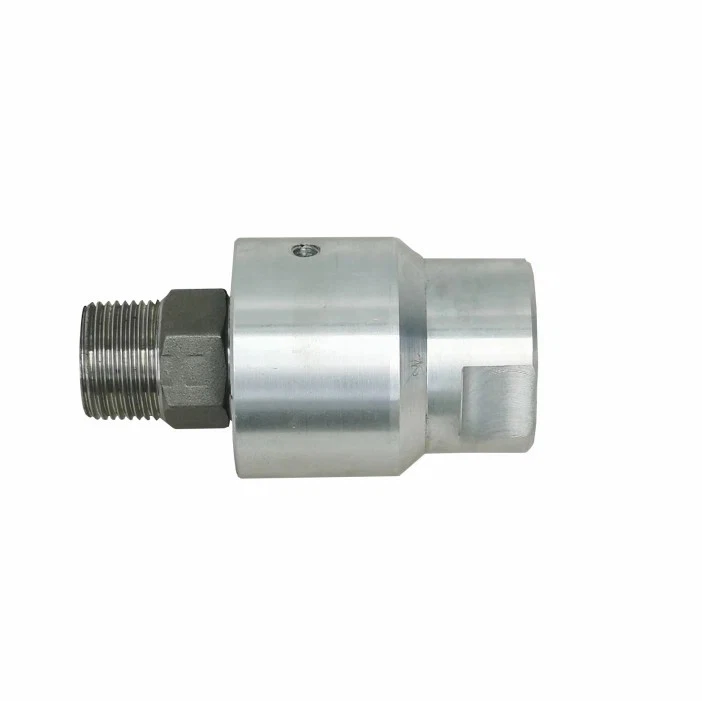

Contamination
Contamination is another common cause of leakage in rotary unions. Particles, dirt, and debris in the fluid can damage the seals and other components of the rotary union, leading to leakage. It is essential to implement proper filtration systems to remove contaminants from the fluid.
Regular maintenance and cleaning of the rotary union can also help prevent contamination. Additionally, using high-quality fluids and lubricants can reduce the risk of contamination.
Design and Manufacturing Defects
Design and manufacturing defects can also cause leakage in rotary unions. Poorly designed seals, incorrect clearances, or manufacturing errors can lead to seal failure and leakage. It is important to choose a reputable rotary union supplier that uses high-quality materials and advanced manufacturing processes.
Before purchasing a rotary union, it is important to research the supplier's reputation and quality control processes. Additionally, requesting samples and conducting performance tests can help ensure that the rotary union meets your specific requirements.
Solutions to Leakage
To address leakage in rotary unions, it is important to identify the root cause of the problem. Once the cause has been identified, appropriate solutions can be implemented. Here are some common solutions to leakage in rotary unions:
- Replace Seals: If the seals are worn or damaged, they should be replaced with new ones. It is important to choose seals that are compatible with the operating conditions and the fluid being used.
- Improve Installation: Ensure that the rotary union is installed correctly, following the manufacturer's instructions. Proper alignment and torque are crucial to prevent seal damage and leakage.
- Use Compatible Fluids: Select fluids that are compatible with the materials of the rotary union to prevent chemical reactions and seal degradation.
- Implement Pressure and Temperature Control Systems: Use pressure and temperature control systems to maintain stable operating conditions and prevent seal failure due to pressure and temperature fluctuations.
- Install Filtration Systems: Implement proper filtration systems to remove contaminants from the fluid and prevent damage to the seals and other components of the rotary union.
- Choose a Reputable Supplier: Select a reputable rotary union supplier that uses high-quality materials and advanced manufacturing processes to ensure the reliability and performance of the rotary union.
Conclusion
Leakage in rotary unions can have a significant impact on industrial operations, leading to downtime, increased maintenance costs, and safety hazards. As a rotary union supplier, I understand the importance of addressing this issue effectively. By understanding the various causes of leakage and implementing appropriate solutions, you can prevent leakage and ensure the reliable operation of your rotary unions.
If you are experiencing leakage in your rotary unions or need assistance in selecting the right rotary union for your application, please feel free to contact us. Our team of experts is available to provide you with personalized solutions and support.
References
- "Rotary Union Handbook," ABC Publishing, 2023.
- "Seal Design and Application Guide," XYZ Corporation, 2022.
- "Fluid Compatibility Chart," DEF Industries, 2021.