

How to make a rotary joint elbow flame - retardant?
Nov 04, 2025
Hey there! As a supplier of rotary joint elbows, I often get asked about how to make these components flame-retardant. It's a crucial aspect, especially in industries where fire safety is a top priority. In this blog, I'll share some practical tips and insights on achieving flame retardancy for rotary joint elbows.
First off, let's understand why flame retardancy matters. Rotary joint elbows are used in a wide range of applications, from industrial machinery to automotive systems. In many of these settings, there's a risk of fire due to factors like high temperatures, electrical malfunctions, or the presence of flammable materials. A flame-retardant rotary joint elbow can prevent the spread of fire, protecting both equipment and personnel.
One of the most common ways to make a rotary joint elbow flame-retardant is by using flame-retardant materials. There are several types of polymers and composites that have inherent flame-retardant properties. For example, some plastics are formulated with additives that reduce their flammability. These additives work by releasing chemicals when exposed to heat or fire, which can either cool the material or create a barrier that prevents oxygen from reaching the fuel source.
When selecting materials for your rotary joint elbows, look for those that meet relevant industry standards for flame retardancy. Standards like UL 94 are widely recognized and can give you an idea of how well a material will perform in a fire. You can also consult with material suppliers to get more information about their flame-retardant products.
Another approach is to apply a flame-retardant coating to the rotary joint elbow. Coatings can provide an additional layer of protection and can be customized to meet specific requirements. There are different types of coatings available, including intumescent coatings. These coatings expand when exposed to heat, creating a thick, insulating layer that can slow down the spread of fire.
Before applying a coating, it's important to prepare the surface of the rotary joint elbow properly. This may involve cleaning the surface to remove any dirt, grease, or contaminants, and then sanding it to create a rough surface that the coating can adhere to. Follow the manufacturer's instructions carefully when applying the coating to ensure the best results.
In addition to using flame-retardant materials and coatings, proper design and installation can also contribute to the flame retardancy of rotary joint elbows. For example, ensuring that there are no gaps or openings in the joint where flames or hot gases could escape can help prevent the spread of fire. You may also want to consider using seals and gaskets made from flame-retardant materials to further enhance the safety of the joint.
Now, let's talk about some specific types of rotary joint elbows and how they can be made flame-retardant. If you're interested in Around The Shaft Rotary Union, you can find more information here. These types of rotary unions are commonly used in applications where there's a need to transfer fluids or gases while rotating around a shaft. To make them flame-retardant, you can choose materials with high flame resistance and apply appropriate coatings.
Spinner Rotary Joints are another popular option, and you can learn more about them here. These joints are often used in high-speed applications, so it's important to ensure that they can withstand the heat and stress without posing a fire risk. Using flame-retardant materials and proper lubrication can help improve their safety.
Pneumatic Rotary Joints are also widely used in various industries, and you can find details about them here. To make pneumatic rotary joints flame-retardant, you can focus on the materials used for the housing, seals, and internal components. Additionally, proper maintenance and inspection can help ensure that the joints are in good working condition and don't pose a fire hazard.
In conclusion, making a rotary joint elbow flame-retardant involves a combination of using the right materials, applying appropriate coatings, and following proper design and installation practices. By taking these steps, you can significantly improve the safety of your equipment and reduce the risk of fire.

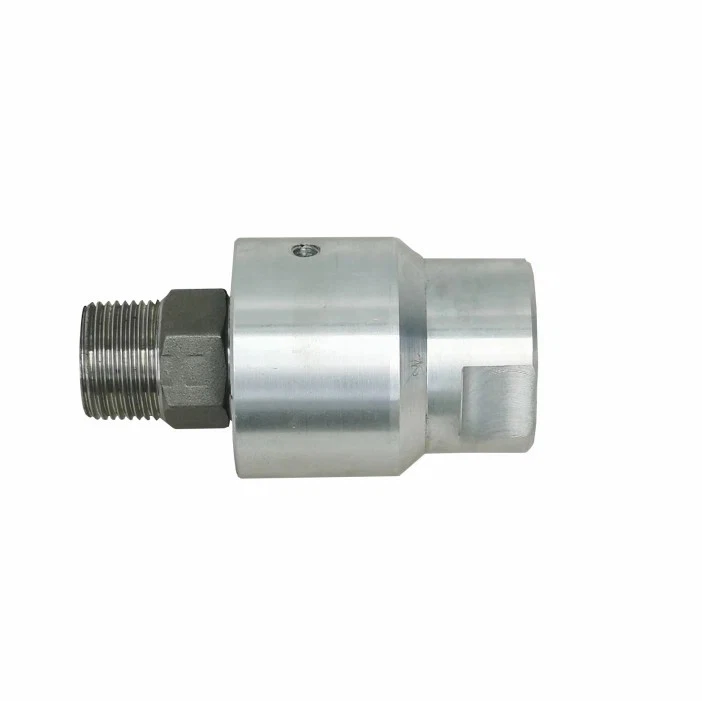
If you're in the market for rotary joint elbows and are interested in flame-retardant options, I'd love to have a chat with you. We can discuss your specific requirements and find the best solutions for your needs. Whether you're looking for standard products or custom designs, we've got you covered.
References
- UL 94 Standard for Tests for Flammability of Plastic Materials for Parts in Devices and Appliances
- Various material suppliers' product literature on flame-retardant polymers and composites
- Coating manufacturers' guidelines for applying flame-retardant coatings