

How to measure the size of a steam rotary union?
Nov 28, 2025
Measuring the size of a steam rotary union is a crucial step in ensuring its proper installation and optimal performance. As a steam rotary union supplier, I understand the significance of accurate measurements in providing the right product for various industrial applications. In this blog post, I will guide you through the process of measuring the size of a steam rotary union, covering key aspects and considerations.
Understanding the Basics of Steam Rotary Unions
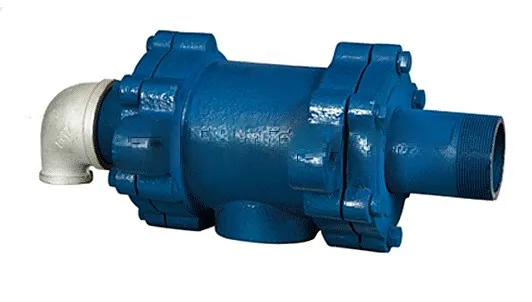
Before delving into the measurement process, it's essential to have a basic understanding of steam rotary unions. A steam rotary union is a mechanical device that allows the transfer of steam from a stationary source to a rotating component, such as a drum, roll, or spindle. It plays a vital role in many industries, including paper, textile, food processing, and plastics, where steam is used for heating, drying, or other manufacturing processes.
Steam rotary unions come in various types and designs, each tailored to specific applications and operating conditions. Some common types include QS-X Cast Iron Two-Way Circulation Rotary Joint, QD-F Water and Steam Rotary Joint, and QS-T40-20 High-Temperature Steam Rotary Joint. The size of a steam rotary union is determined by several factors, including the bore size, flange size, overall length, and connection type.

Key Measurements for Steam Rotary Unions
Bore Size
The bore size, also known as the inner diameter, is one of the most critical measurements for a steam rotary union. It determines the flow capacity of the union and must be compatible with the steam supply and the requirements of the rotating equipment. To measure the bore size, you can use a caliper or a micrometer. Place the measuring tool inside the bore and take the measurement at several points to ensure accuracy.
Flange Size
The flange size is another important measurement, as it determines how the steam rotary union will be connected to the stationary and rotating components. Flanges come in different sizes and standards, such as ANSI, DIN, and JIS. To measure the flange size, you need to measure the outer diameter, the bolt circle diameter, the number of bolt holes, and the bolt hole diameter. Use a ruler or a caliper to take these measurements.
Overall Length
The overall length of the steam rotary union is the distance from one end of the union to the other. This measurement is important for ensuring that the union fits properly into the available space and that it does not interfere with other components. To measure the overall length, use a ruler or a tape measure.
Connection Type
The connection type refers to how the steam rotary union is attached to the stationary and rotating components. Common connection types include threaded connections, flange connections, and quick-connect couplings. The type of connection you choose will depend on the specific application and the requirements of the equipment. When measuring for a connection type, you need to ensure that the dimensions of the connection match the corresponding parts on the equipment.
Considerations for Accurate Measurements
Operating Conditions
When measuring the size of a steam rotary union, it's important to consider the operating conditions, such as the steam pressure, temperature, and flow rate. These factors can affect the performance and durability of the union and may require specific sizing and material selections. For example, high-pressure and high-temperature applications may require a larger bore size and a more robust construction.
Alignment
Proper alignment is crucial for the smooth operation of a steam rotary union. Misalignment can cause excessive wear, leakage, and premature failure of the union. When taking measurements, make sure to check the alignment of the stationary and rotating components and ensure that they are parallel and concentric. Use alignment tools, such as laser alignment systems or dial indicators, to achieve accurate alignment.
Clearance
In addition to the size measurements, it's important to consider the clearance between the steam rotary union and the surrounding components. Adequate clearance is necessary to prevent interference and ensure proper movement of the rotating parts. Check the manufacturer's specifications for the recommended clearance values and make sure to leave enough space during the installation.
Step-by-Step Measurement Process
- Gather the necessary tools: You will need a caliper, a micrometer, a ruler, a tape measure, and possibly alignment tools, depending on the complexity of the measurement.
- Prepare the equipment: Ensure that the steam rotary union and the connected equipment are clean and free of debris. If possible, disconnect the union from the equipment to facilitate the measurement process.
- Measure the bore size: Insert the caliper or micrometer into the bore and take the measurement at several points. Record the average value as the bore size.
- Measure the flange size: Measure the outer diameter, the bolt circle diameter, the number of bolt holes, and the bolt hole diameter of the flange. Use a ruler or a caliper for these measurements.
- Measure the overall length: Use a ruler or a tape measure to measure the distance from one end of the union to the other.
- Check the connection type: Verify the type of connection and measure the relevant dimensions to ensure compatibility with the equipment.
- Consider the operating conditions: Take into account the steam pressure, temperature, and flow rate when selecting the appropriate size and material for the steam rotary union.
- Verify the alignment: Use alignment tools to check the alignment of the stationary and rotating components and make any necessary adjustments.
- Check the clearance: Measure the clearance between the union and the surrounding components and ensure that it meets the manufacturer's recommendations.
- Record the measurements: Keep a detailed record of all the measurements, including the bore size, flange size, overall length, connection type, and any other relevant information. This will help you select the right steam rotary union and ensure a proper installation.
Importance of Professional Assistance
Measuring the size of a steam rotary union can be a complex task, especially for those who are not familiar with the equipment or the measurement process. If you are unsure about any aspect of the measurement, it's recommended to seek professional assistance. A qualified engineer or technician can provide expert advice and ensure that the measurements are accurate and reliable.
As a steam rotary union supplier, we have a team of experienced professionals who can assist you with the measurement process. We can also provide customized solutions based on your specific requirements and operating conditions. Whether you need a standard steam rotary union or a special design, we can help you find the right product for your application.
Conclusion
Measuring the size of a steam rotary union is a critical step in ensuring its proper installation and optimal performance. By following the steps outlined in this blog post and considering the key factors and considerations, you can accurately measure the size of the union and select the right product for your application. Remember to take into account the operating conditions, alignment, and clearance to ensure a smooth and reliable operation.
If you have any questions or need further assistance with measuring the size of a steam rotary union, please feel free to contact us. Our team of experts is ready to help you find the best solution for your needs. We look forward to working with you and providing you with high-quality steam rotary unions and excellent customer service.
References
- ASME Boiler and Pressure Vessel Code
- ISO Standards for Flanges and Pipe Fittings
- Manufacturer's Technical Documentation for Steam Rotary Unions