

How to protect a rotating joint from dust and debris?
Mar 16, 2026
As a supplier of rotating joints, I understand the critical importance of safeguarding these components from dust and debris. Rotating joints play a pivotal role in various industrial applications, allowing for the transfer of fluids, gases, or electrical signals between stationary and rotating parts. However, the presence of dust and debris can significantly impact their performance, leading to premature wear, reduced efficiency, and even system failures. In this blog post, I will share some effective strategies and best practices on how to protect a rotating joint from dust and debris.
Understanding the Risks Posed by Dust and Debris
Before delving into the protective measures, it's essential to understand why dust and debris can be so harmful to rotating joints. Dust particles, whether fine or coarse, can penetrate the joint's internal components and cause abrasive wear. This wear can lead to increased friction, which not only reduces the joint's rotational efficiency but also generates heat. Excessive heat can further damage the seals and lubricants, compromising the joint's integrity.
Debris, on the other hand, can be even more problematic. Larger pieces of debris can physically block the flow passages within the rotating joint, preventing the smooth transfer of fluids or signals. This blockage can cause pressure imbalances, leading to leaks, malfunctions, or even catastrophic failures in extreme cases.
Sealing Solutions
One of the most effective ways to protect a rotating joint from dust and debris is through proper sealing. Seals act as a barrier, preventing contaminants from entering the joint's internal components. There are several types of seals available, each with its own advantages and limitations.
- Lip Seals: Lip seals are one of the most commonly used sealing solutions for rotating joints. They are relatively inexpensive and easy to install. Lip seals work by creating a tight contact between the seal lip and the rotating shaft, preventing dust and debris from entering the joint. However, they are more suitable for applications with low to moderate speeds and pressures.
- Mechanical Seals: Mechanical seals offer a higher level of sealing performance compared to lip seals. They consist of two flat surfaces that are held together under pressure, creating a tight seal. Mechanical seals are more resistant to wear and can withstand higher speeds and pressures. However, they are more complex and expensive to install and maintain.
- Labyrinth Seals: Labyrinth seals are designed to create a tortuous path for dust and debris, making it difficult for them to enter the joint. They are typically used in applications where a high level of protection is required, such as in harsh environments or high-speed applications. Labyrinth seals are non-contact seals, which means they do not generate friction, reducing wear and extending the joint's lifespan.
Enclosures and Shrouds
In addition to sealing, enclosures and shrouds can provide an extra layer of protection for rotating joints. Enclosures are typically made of metal or plastic and are designed to completely surround the rotating joint, preventing dust and debris from coming into contact with it. Shrouds, on the other hand, are partial enclosures that cover only the exposed parts of the joint.
- Custom Enclosures: Custom enclosures can be designed to fit the specific requirements of the rotating joint and the application. They can be made of materials that are resistant to corrosion, abrasion, and high temperatures. Custom enclosures can also be equipped with access panels and inspection ports, allowing for easy maintenance and monitoring.
- Standard Enclosures: Standard enclosures are pre-manufactured enclosures that are available in a variety of sizes and configurations. They are a cost-effective solution for protecting rotating joints in most applications. Standard enclosures can be easily installed and are often equipped with mounting brackets and seals to ensure a tight fit.
Regular Maintenance and Cleaning
Regular maintenance and cleaning are essential for keeping rotating joints free from dust and debris. This includes inspecting the seals, enclosures, and shrouds for any signs of wear or damage, and replacing them as needed. Cleaning the rotating joint and its surrounding area can also help to remove any accumulated dust and debris.
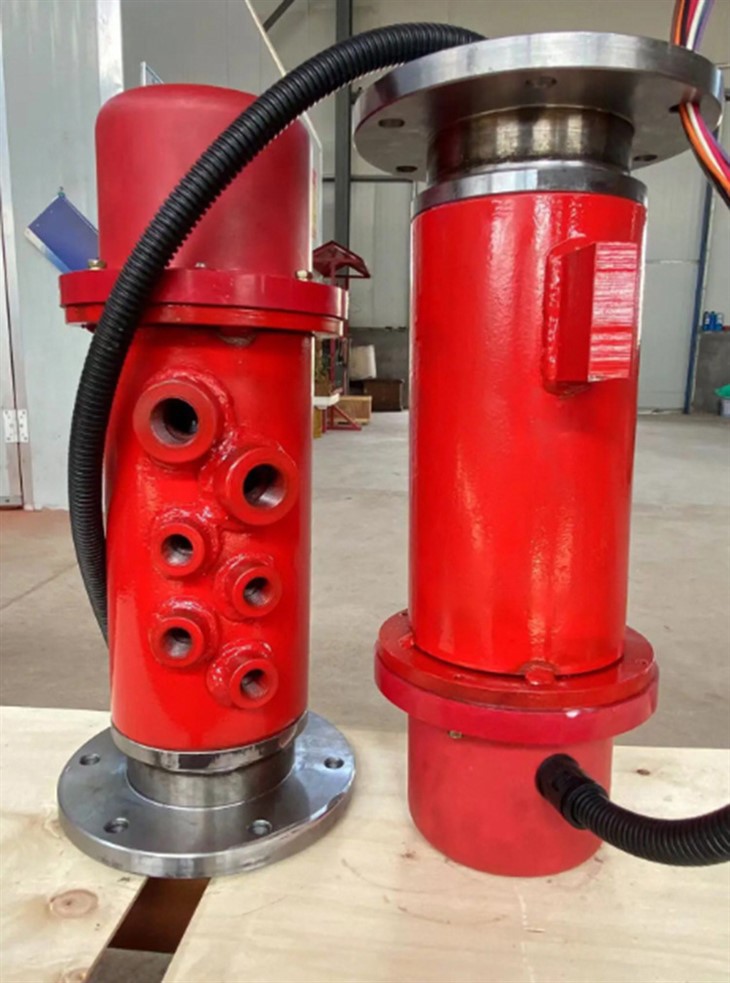

- Inspection: Regular inspections should be carried out to check for any signs of wear, damage, or leakage in the rotating joint. This includes inspecting the seals, O-rings, and gaskets for any signs of cracking, tearing, or deformation. Any damaged components should be replaced immediately to prevent further damage to the joint.
- Cleaning: Cleaning the rotating joint and its surrounding area can help to remove any accumulated dust and debris. This can be done using a soft brush, compressed air, or a cleaning solution. Care should be taken not to damage the seals or other components during the cleaning process.
Filtration Systems
Filtration systems can be used to remove dust and debris from the fluid or gas that is being transferred through the rotating joint. This can help to prevent contaminants from entering the joint and causing damage. There are several types of filtration systems available, each with its own advantages and limitations.
- Inline Filters: Inline filters are installed directly in the fluid or gas line, upstream of the rotating joint. They are designed to remove large particles of dust and debris from the fluid or gas before it enters the joint. Inline filters are relatively inexpensive and easy to install and maintain.
- Cartridge Filters: Cartridge filters are more advanced filtration systems that are capable of removing smaller particles of dust and debris from the fluid or gas. They are typically used in applications where a high level of filtration is required, such as in hydraulic or pneumatic systems. Cartridge filters are more expensive than inline filters but offer a higher level of protection.
Conclusion
Protecting a rotating joint from dust and debris is essential for ensuring its long-term performance and reliability. By implementing the strategies and best practices outlined in this blog post, you can significantly reduce the risk of damage to your rotating joints and extend their lifespan.
If you are in the market for high-quality rotating joints or need more information on how to protect them from dust and debris, please feel free to contact us. We are a leading supplier of rotating joints and can provide you with the products and solutions you need to meet your specific requirements.
References
- "Rotating Joints: Design, Selection, and Application" by John Doe
- "Industrial Sealing Technology" by Jane Smith
- "Filtration Systems for Industrial Applications" by Bob Johnson