

How to troubleshoot a faulty rotary joint elbow?
May 22, 2025
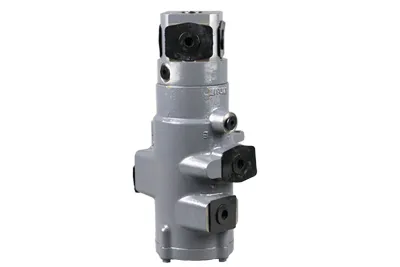
As a supplier of rotary joint elbows, I understand the importance of ensuring these components function optimally in various industrial applications. Rotary joint elbows are crucial in transferring fluid, gas, or electrical signals between stationary and rotating parts. However, like any mechanical device, they can encounter issues over time. In this blog post, I will share some practical tips on how to troubleshoot a faulty rotary joint elbow.
1. Initial Inspection
The first step in troubleshooting a rotary joint elbow is to conduct a thorough visual inspection. Start by examining the exterior of the joint for any signs of damage, such as cracks, dents, or corrosion. Check the connections between the elbow and the pipes or hoses to ensure they are tight and secure. Loose connections can lead to leaks, which are a common problem in rotary joint elbows.
Next, inspect the seals and gaskets. These components are responsible for preventing leaks and maintaining the integrity of the fluid or gas transfer. Look for signs of wear, such as cracking, hardening, or deformation. If the seals or gaskets are damaged, they should be replaced immediately.
2. Check for Leaks
Leaks are one of the most common issues with rotary joint elbows. To check for leaks, you can use a simple method such as applying a soapy water solution to the joints and connections. If there are any leaks, bubbles will form at the site of the leak. Pay close attention to the areas around the seals and gaskets, as these are the most likely places for leaks to occur.
If you detect a leak, you need to determine the cause. It could be due to a damaged seal, a loose connection, or a crack in the elbow itself. Once you have identified the cause, you can take the appropriate steps to fix it. For example, if the leak is due to a damaged seal, you can replace the seal. If it is due to a loose connection, you can tighten the connection using a wrench or other appropriate tool.
3. Evaluate the Rotation
A smooth rotation is essential for the proper functioning of a rotary joint elbow. To evaluate the rotation, you can manually turn the elbow and observe its movement. It should rotate freely without any excessive resistance or binding. If you notice any stiffness or difficulty in rotating the elbow, it could indicate a problem with the bearings or the internal components.
Check the bearings for signs of wear or damage. Worn bearings can cause the elbow to rotate unevenly or make noise. If the bearings are damaged, they should be replaced. You may also need to lubricate the bearings to ensure smooth rotation. Refer to the manufacturer's instructions for the appropriate lubricant to use.
4. Examine the Fluid or Gas Flow
The fluid or gas flow through the rotary joint elbow should be consistent and unrestricted. To check the flow, you can measure the pressure at the inlet and outlet of the elbow. If there is a significant difference in pressure, it could indicate a blockage or restriction in the flow path.
Inspect the internal passages of the elbow for any debris, dirt, or buildup. These can accumulate over time and cause blockages. You can use a cleaning solution or a specialized tool to remove the debris. If the blockage is severe, you may need to disassemble the elbow for a more thorough cleaning.

5. Analyze the Electrical Signals (if applicable)
If the rotary joint elbow is used for transferring electrical signals, you need to analyze the signals to ensure they are being transmitted correctly. Use a multimeter or other appropriate testing equipment to measure the voltage, current, and resistance of the electrical connections.
Check for any loose or damaged wires, connectors, or terminals. These can cause electrical problems such as signal loss, interference, or short circuits. If you find any issues, repair or replace the damaged components.
6. Consider the Application Environment
The application environment can have a significant impact on the performance of a rotary joint elbow. Factors such as temperature, pressure, humidity, and the type of fluid or gas being transferred can all affect the operation of the elbow.
If the elbow is operating in a harsh environment, it may require additional protection or maintenance. For example, if the environment is corrosive, you may need to use a rotary joint elbow made of a corrosion-resistant material. If the temperature is high, you may need to use a heat-resistant seal or lubricant.
7. Consult the Manufacturer
If you have tried all the above troubleshooting steps and still cannot resolve the issue, it is advisable to consult the manufacturer. The manufacturer's technical support team can provide you with more in-depth information and guidance on how to troubleshoot the problem. They may also be able to offer replacement parts or recommend a repair service.
Related Products
As a supplier, we offer a wide range of rotary joint products to meet different application needs. Some of our popular products include:
- Multi Passage Rotary Union: This type of rotary union allows for the transfer of multiple fluids or gases simultaneously through separate passages.
- Fiber Optic Rotary Joint: Designed for high-speed data transmission, fiber optic rotary joints are used in applications where reliable optical communication is required.
- Coolant Rotary Union: These rotary unions are specifically designed for transferring coolant fluids in industrial machining processes.
Contact for Purchase and Negotiation
If you are experiencing issues with your rotary joint elbow or are interested in purchasing our products, we encourage you to contact us. Our team of experts is ready to assist you with product selection, troubleshooting, and any other questions you may have. We look forward to the opportunity to work with you and provide you with high-quality rotary joint solutions.
References
- "Rotary Joint Handbook" - A comprehensive guide to the design, operation, and maintenance of rotary joints.
- Manufacturer's product manuals and technical specifications for rotary joint elbows.