

What are the cost - saving strategies for using steam rotary unions?
Dec 04, 2025
As a seasoned supplier of steam rotary unions, I've witnessed firsthand the significance of cost - saving strategies in industrial operations. Steam rotary unions play a crucial role in transferring steam from a stationary source to a rotating component, and optimizing their use can lead to substantial savings. In this blog, I'll share some effective cost - saving strategies for using steam rotary unions.
1. Select the Right Steam Rotary Union
The first step in cost - saving is choosing the appropriate steam rotary union for your specific application. Not all rotary unions are created equal, and using an ill - fitting one can lead to inefficiencies and increased costs.
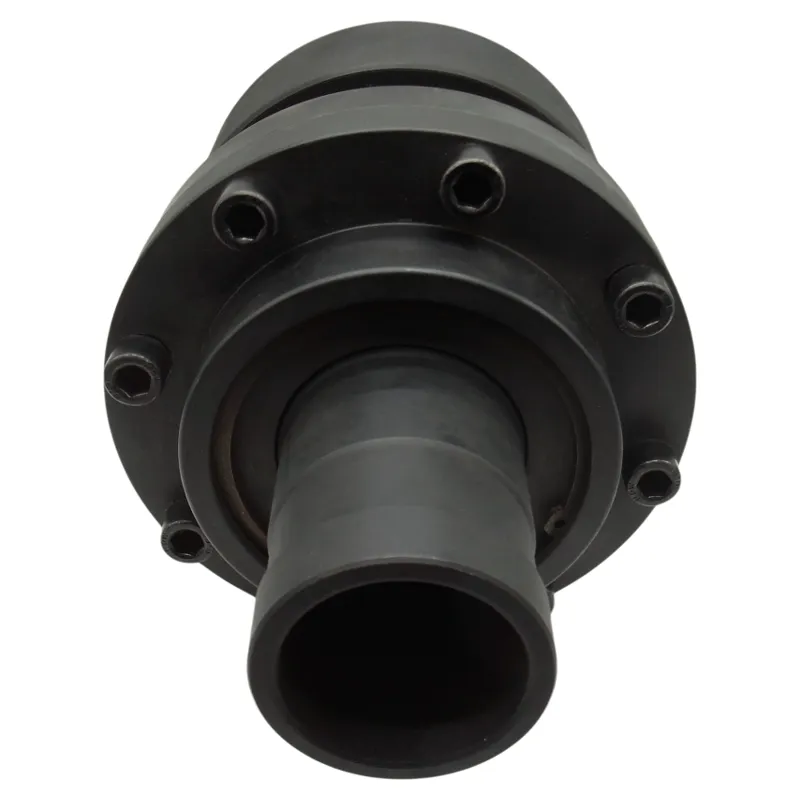
For applications where quick change is required, the QD - F Water and Steam Rotary Joint is an excellent choice. Its quick - change flange design allows for easy installation and replacement, reducing downtime during maintenance. This means less production loss and lower labor costs associated with long - term maintenance.
In high - temperature environments, the High - Temperature Stainless Steel Steam Flange Rotary Joint is a reliable option. Made from high - quality stainless steel, it can withstand extreme temperatures without significant wear and tear. Using a rotary joint that is not designed for high - temperature applications may result in premature failure, leading to frequent replacements and higher costs.
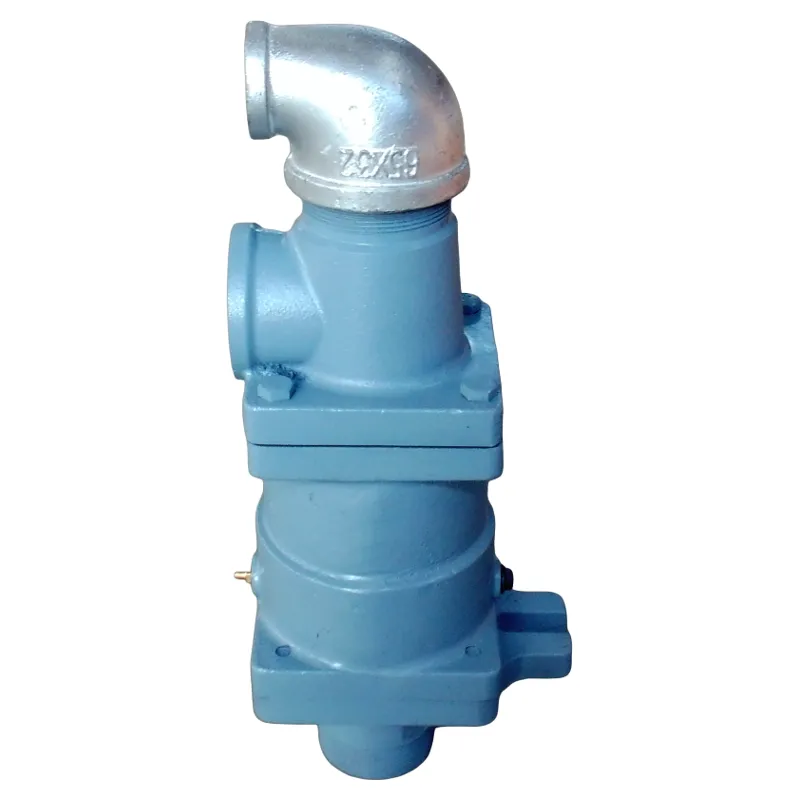
The DS - X65 - 32 High - Temperature Steam Rotary Joint is another specialized product. It is engineered to handle high - temperature steam efficiently, ensuring smooth operation and reducing the risk of steam leakage. Steam leakage not only wastes energy but also can cause damage to surrounding equipment, leading to additional repair and replacement costs.
2. Optimize Steam Pressure and Flow
Properly managing steam pressure and flow is essential for cost - saving. Excessive steam pressure can cause unnecessary wear on the rotary union seals and other components. It also leads to higher energy consumption as more steam is being used than necessary.
Conduct regular checks on the steam pressure and flow rates. Use pressure - regulating valves to maintain the optimal pressure for your application. By keeping the steam pressure at the right level, you can extend the lifespan of the rotary union and reduce energy costs.
For example, if your process requires a certain amount of steam to achieve the desired temperature or operation, calculate the exact steam flow needed. Avoid over - supplying steam, as this will only increase your energy bills. Some modern steam rotary unions come with built - in flow - control mechanisms that can help in optimizing the steam flow, ensuring that only the required amount of steam is used.
3. Implement Preventive Maintenance
Preventive maintenance is a key cost - saving strategy. Regularly inspecting and maintaining your steam rotary unions can prevent major breakdowns and costly repairs.
Create a maintenance schedule that includes tasks such as checking the seals for wear, lubricating moving parts, and inspecting the overall condition of the rotary union. Replace worn - out seals promptly, as a leaking seal can lead to steam loss and reduced efficiency.
Lubrication is also important. Using the right lubricant for your steam rotary union can reduce friction between moving parts, extending their lifespan. However, make sure to use a lubricant that is compatible with steam and the materials of the rotary union.
Keep records of all maintenance activities. This will help you track the performance of the rotary union over time and identify any emerging issues. By addressing small problems early, you can avoid more significant and expensive repairs in the future.
4. Train Your Staff
Well - trained staff can contribute significantly to cost - saving. Ensure that your employees are knowledgeable about the proper operation and maintenance of steam rotary unions.
Provide training on how to install, operate, and troubleshoot the rotary unions. This includes understanding the correct steam pressure and flow settings, how to identify signs of wear and tear, and how to perform basic maintenance tasks.
Trained staff are less likely to make mistakes that could lead to equipment damage or inefficiencies. They can also respond quickly to any issues that arise, minimizing downtime and production losses.
5. Energy Recovery
Consider implementing energy - recovery systems in conjunction with your steam rotary union. Steam that has been used in the process still contains a significant amount of energy. By recovering this energy, you can reduce your overall energy consumption and costs.
One way to do this is through a heat exchanger. A heat exchanger can transfer the heat from the used steam to a cooler fluid, such as water. The heated water can then be used for other processes in your facility, such as pre - heating feedwater or providing space heating.
Another option is to use a steam turbine to generate electricity from the high - pressure steam. The electricity can be used to power other equipment in your plant, reducing your reliance on the grid and lowering your energy bills.
6. Bulk Purchasing and Long - Term Contracts
If you have a continuous need for steam rotary unions, consider bulk purchasing. Buying in large quantities often allows you to negotiate better prices with your supplier. This can result in significant cost savings over time.
In addition, entering into long - term contracts with your supplier can provide stability and additional cost benefits. A long - term contract may include price guarantees, priority delivery, and better after - sales service.
7. Monitor and Analyze Performance
Regularly monitor the performance of your steam rotary unions. Use sensors and monitoring systems to collect data on parameters such as steam pressure, temperature, and flow rate. Analyze this data to identify any trends or anomalies.
For example, if you notice a gradual increase in steam consumption over time, it could indicate a problem with the rotary union, such as a leaking seal or worn - out components. By detecting these issues early, you can take corrective action before they lead to more significant problems and higher costs.
Use performance - monitoring software to generate reports and visualize the data. This will help you make informed decisions about maintenance, replacement, and process optimization.
Conclusion
Implementing these cost - saving strategies for using steam rotary unions can lead to significant savings in terms of energy consumption, maintenance costs, and production losses. By selecting the right rotary union, optimizing steam pressure and flow, implementing preventive maintenance, training your staff, recovering energy, considering bulk purchasing and long - term contracts, and monitoring performance, you can ensure that your steam rotary unions operate efficiently and cost - effectively.
If you are interested in learning more about our steam rotary unions or discussing how we can help you implement these cost - saving strategies, please feel free to contact us for procurement and further discussions.
References
- "Industrial Steam Systems: Design, Operation, and Maintenance" by John Doe
- "Steam Engineering Handbook" by Jane Smith
- Manufacturer's manuals for various steam rotary unions