

What are the inspection items for a steam rotary union before use?
Oct 27, 2025
As a seasoned supplier of steam rotary unions, I understand the critical importance of thorough inspections before these components are put into use. Steam rotary unions play a pivotal role in various industrial applications, facilitating the transfer of steam between stationary and rotating parts. A comprehensive pre - use inspection can prevent costly breakdowns, ensure operational safety, and extend the service life of the equipment. In this blog, I will delve into the key inspection items for a steam rotary union before use.
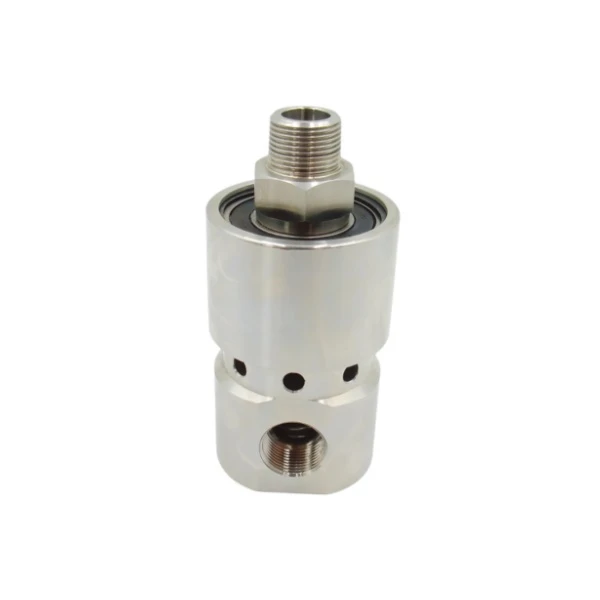

1. Visual Inspection
The first step in inspecting a steam rotary union is a visual examination. This involves a careful look at the exterior of the union for any visible signs of damage or wear.
- Physical Damage: Check for cracks, dents, or scratches on the body of the rotary union. Even minor cracks can lead to steam leakage over time, which not only wastes energy but also poses a safety hazard. For example, a crack in the housing can allow steam to escape, causing a drop in pressure and potentially leading to equipment malfunction.
- Corrosion: Steam is a highly corrosive medium, so it's essential to inspect the union for any signs of rust or corrosion. Corrosion can weaken the structure of the union and affect its performance. Pay special attention to areas such as the seals, connections, and any exposed metal surfaces. If corrosion is detected, it may be necessary to clean or replace the affected parts.
- Seal Integrity: The seals are one of the most critical components of a steam rotary union. Inspect the seals for any signs of damage, such as cuts, tears, or deformation. A damaged seal can lead to steam leakage, which can have a significant impact on the efficiency of the system. Ensure that the seals are properly seated and that there are no gaps or misalignments.
2. Dimensional Inspection
Accurate dimensions are crucial for the proper functioning of a steam rotary union. A dimensional inspection ensures that the union meets the required specifications.
- Overall Dimensions: Measure the overall length, diameter, and other critical dimensions of the rotary union to ensure they match the design specifications. Any significant deviations can cause installation problems or affect the performance of the union.
- Shaft and Bore Dimensions: Check the dimensions of the shaft and bore to ensure a proper fit with the mating components. A loose or tight fit can lead to excessive wear, vibration, and potential failure. Use precision measuring tools such as calipers and micrometers to obtain accurate measurements.
- Thread Inspection: If the rotary union has threaded connections, inspect the threads for any damage or wear. The threads should be clean, free of debris, and have the correct pitch and diameter. A damaged thread can result in a poor connection, leading to steam leakage.
3. Functional Inspection
A functional inspection is essential to ensure that the steam rotary union operates smoothly and efficiently.
- Rotation Test: Rotate the union by hand to check for smooth operation. There should be no excessive resistance, binding, or noise during rotation. Any abnormal rotation can indicate a problem with the bearings, seals, or other internal components.
- Pressure Test: Conduct a pressure test to check for steam leakage. Connect the rotary union to a test rig and apply the recommended operating pressure. Monitor the union for any signs of leakage around the seals, connections, or other areas. A pressure test can help identify potential problems before the union is installed in the actual system.
- Temperature Test: Since steam operates at high temperatures, it's important to ensure that the rotary union can withstand the expected temperature range. Use a temperature sensor to measure the temperature of the union during a test run. The temperature should remain within the specified limits. Excessive temperature can cause the seals to degrade, leading to leakage.
4. Material and Component Inspection
The quality of the materials and components used in the steam rotary union can have a significant impact on its performance and durability.
- Material Quality: Check the quality of the materials used in the construction of the union. The body of the union should be made of high - quality materials that can withstand the high pressure and temperature of steam. Common materials include stainless steel, carbon steel, and brass. Ensure that the materials meet the required standards and specifications.
- Component Compatibility: Verify that all the components of the rotary union are compatible with each other and with the steam system. For example, the seals should be made of materials that are resistant to steam and the chemicals present in the system. Incompatible components can lead to premature failure and performance issues.
5. Documentation and Certification Inspection
Proper documentation and certification are important for ensuring the quality and compliance of the steam rotary union.
- Product Documentation: Review the product documentation, including the user manual, installation instructions, and maintenance guide. The documentation should provide clear and detailed information on how to install, operate, and maintain the rotary union.
- Certification: Check for relevant certifications, such as ISO 9001, CE, or other industry - specific certifications. These certifications indicate that the rotary union has been manufactured and tested according to international standards.
As a steam rotary union supplier, we offer a wide range of high - quality products to meet the diverse needs of our customers. For example, our QD Type Water and Steam Rotary Joint is designed for single - flow applications and features a threaded connection for easy installation. Our DB2 - 20 - R - 16 Stainless Steel Steam Air Rotary Joint is made of high - quality stainless steel, which provides excellent corrosion resistance. And our Dual Flow Rotary Union is suitable for applications that require two - way flow of steam.
If you are in the market for a steam rotary union, we invite you to contact us for a detailed discussion. Our team of experts can help you select the right product for your specific application and provide you with all the necessary support and advice. We are committed to providing high - quality products and excellent customer service.
References
- ASME Boiler and Pressure Vessel Code
- ISO 9001 Quality Management System Standards
- Industry - specific technical manuals and guidelines