

What are the quality indicators of a steam swivel joint?
Sep 19, 2025
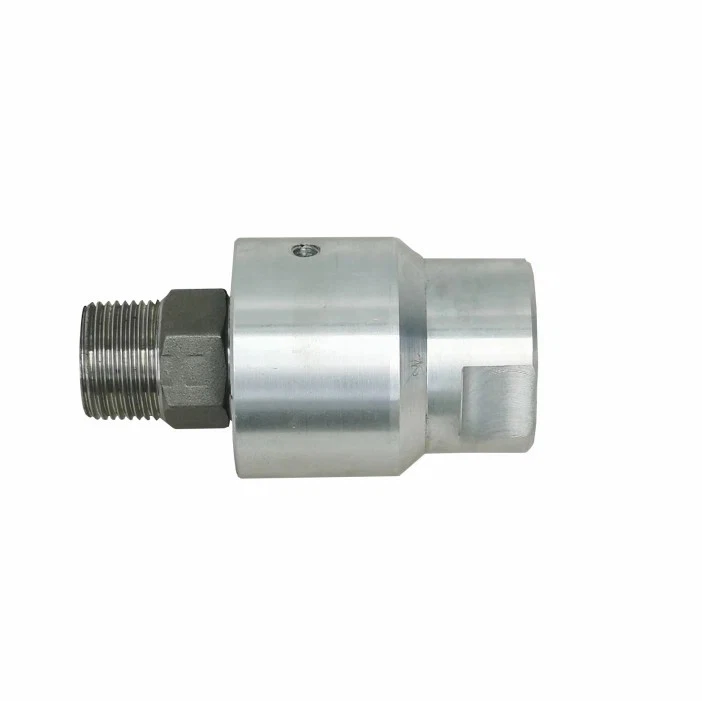
As a supplier of steam swivel joints, I often encounter customers who are eager to understand the quality indicators of these crucial components. A steam swivel joint is a mechanical device that allows the transfer of steam between a stationary and a rotating part. It plays a vital role in various industrial applications, such as power generation, chemical processing, and food manufacturing. In this blog post, I will discuss the key quality indicators of a steam swivel joint and why they matter.
1. Leakage Resistance
One of the most critical quality indicators of a steam swivel joint is its leakage resistance. Steam is a high - energy fluid, and any leakage can lead to significant energy losses, reduced efficiency, and potential safety hazards. A high - quality steam swivel joint should be designed to prevent steam from escaping during operation.
To achieve excellent leakage resistance, the joint must have a proper sealing mechanism. Most steam swivel joints use mechanical seals or packing materials. Mechanical seals are typically more effective in high - pressure and high - temperature applications. They consist of two flat surfaces that are pressed together to form a tight seal. The quality of the materials used in the mechanical seals, such as carbon, ceramic, or silicon carbide, is crucial. High - grade materials can withstand the harsh conditions of steam applications, including high temperatures and pressures, without degrading.
Packing materials, on the other hand, are used in some steam swivel joints. They are usually made of asbestos - free fibers, graphite, or PTFE. The packing needs to be properly installed and maintained to ensure a good seal. Regular inspection and adjustment of the packing can help prevent leakage. For more information on high - performance joints, you can check our High Pressure Rotary Union.
2. Temperature and Pressure Rating
Another important quality indicator is the temperature and pressure rating of the steam swivel joint. Different industrial applications require steam swivel joints to operate under various temperature and pressure conditions. A reliable steam swivel joint must be able to handle the specific temperature and pressure requirements of its intended application.
The temperature rating of a steam swivel joint is determined by the materials used in its construction. For example, joints made of stainless steel can generally withstand higher temperatures compared to those made of carbon steel. The design of the joint also plays a role in its temperature resistance. A well - designed joint will have proper heat dissipation features to prevent overheating.
Similarly, the pressure rating is determined by the strength of the materials and the design of the joint. High - pressure steam swivel joints need to be constructed with thick - walled components and robust connections. They should be able to withstand the internal pressure without deformation or failure. When selecting a steam swivel joint, it is essential to choose one with a temperature and pressure rating that exceeds the actual operating conditions to ensure safety and reliability.
3. Rotational Speed and Torque Capacity
The rotational speed and torque capacity of a steam swivel joint are also important quality indicators. In many applications, the steam swivel joint is required to rotate at a certain speed while transferring steam. The joint must be able to handle the rotational forces without excessive wear or damage.
The rotational speed capacity is determined by the bearing design and the lubrication system of the joint. High - quality bearings can reduce friction and allow for smooth rotation at high speeds. Proper lubrication is also crucial to minimize wear and heat generation. Some steam swivel joints use self - lubricating bearings or require regular lubrication maintenance.
The torque capacity refers to the maximum amount of rotational force that the joint can withstand. It is important to ensure that the steam swivel joint can handle the torque generated during operation. If the torque capacity is insufficient, the joint may fail, leading to downtime and potential safety issues.

4. Durability and Service Life
Durability and service life are key factors in determining the quality of a steam swivel joint. Industrial applications often require continuous operation, and a long - lasting steam swivel joint can reduce maintenance costs and improve productivity.
The durability of a steam swivel joint depends on the quality of the materials used and the manufacturing process. High - quality materials, such as corrosion - resistant alloys, can withstand the corrosive effects of steam and other chemicals. The manufacturing process should ensure precise machining and assembly to ensure the integrity of the joint.
Regular maintenance is also essential to extend the service life of a steam swivel joint. This includes inspection, cleaning, and replacement of worn components. A well - maintained steam swivel joint can last for many years, providing reliable performance in industrial applications.
5. Material Compatibility
Material compatibility is an often - overlooked but important quality indicator. The steam swivel joint comes into contact with steam, which may contain various impurities or chemicals. The materials used in the joint must be compatible with the steam and any other fluids or gases in the system.
For example, if the steam contains acidic or alkaline substances, the joint materials should be resistant to corrosion. Using incompatible materials can lead to corrosion, pitting, and premature failure of the joint. It is important to consider the chemical composition of the steam and the surrounding environment when selecting a steam swivel joint.
6. Ease of Installation and Maintenance
A high - quality steam swivel joint should be easy to install and maintain. Easy installation can save time and labor costs during the initial setup. The joint should come with clear installation instructions and be designed for straightforward mounting.
Maintenance is also an important aspect. A steam swivel joint that is easy to access and disassemble for inspection and repair can reduce downtime. Some joints are designed with modular components, which make it easier to replace worn parts. For more options on joints that are easy to maintain, you can explore our Pneumatic Rotary Joint and Coolant Rotary Joint.
Conclusion
In conclusion, the quality indicators of a steam swivel joint are crucial for its performance, safety, and longevity in industrial applications. Leakage resistance, temperature and pressure rating, rotational speed and torque capacity, durability, material compatibility, and ease of installation and maintenance are all important factors to consider when selecting a steam swivel joint.
As a supplier of steam swivel joints, we are committed to providing high - quality products that meet these strict quality indicators. Our team of experts can help you select the right steam swivel joint for your specific application. If you are interested in purchasing steam swivel joints or have any questions about our products, please feel free to contact us for a detailed discussion. We look forward to working with you to meet your industrial needs.
References
- ASME Boiler and Pressure Vessel Code
- API Standards for Piping and Equipment
- Manufacturer's technical documentation on steam swivel joints