

What are the requirements for using swivel rotary joints in hydraulic systems?
Oct 20, 2025
Hey there! As a supplier of swivel rotary joints, I've seen firsthand how crucial these components are in hydraulic systems. Today, I'm gonna share with you what it takes to use swivel rotary joints in hydraulic setups.
Compatibility with Hydraulic Fluids
First off, the swivel rotary joint you choose has to be compatible with the hydraulic fluid in your system. Hydraulic systems use different types of fluids, like mineral oil - based, synthetic, or water - glycol mixtures. Each fluid has its own chemical properties, and if the rotary joint isn't made to handle a specific fluid, it can lead to all sorts of problems.
For example, some materials in the rotary joint might corrode when exposed to certain hydraulic fluids. This corrosion can damage the internal seals and bearings, causing leaks and reducing the joint's lifespan. So, when you're picking a swivel rotary joint, make sure to check its material composition and see if it's suitable for your hydraulic fluid. You can always reach out to us, and we'll help you find the right one.
Pressure and Temperature Ratings
Pressure and temperature are two big factors in hydraulic systems. Swivel rotary joints need to be able to handle the pressure and temperature conditions of your specific setup.
Pressure
Hydraulic systems can operate at a wide range of pressures. Low - pressure systems might run at around 100 - 500 psi, while high - pressure ones can go up to 5000 psi or even more. You need a rotary joint with a pressure rating that exceeds the maximum pressure in your system. If the joint can't handle the pressure, it can burst or start leaking, which is not only dangerous but also costly to fix.
We offer High Pressure Rotary Joint that are designed to withstand extreme pressures. These joints are built with robust materials and advanced sealing technologies to ensure reliable performance under high - pressure conditions.
Temperature
Temperature also plays a key role. Hydraulic fluids can heat up during operation, and the rotary joint needs to be able to function properly within the temperature range of the system. High temperatures can cause the seals in the joint to degrade, leading to leaks. On the other hand, low temperatures can make the hydraulic fluid more viscous, which can put extra stress on the joint.
Make sure to choose a swivel rotary joint with a temperature rating that matches your system's operating temperature. Our team can help you select the right joint based on your temperature requirements.
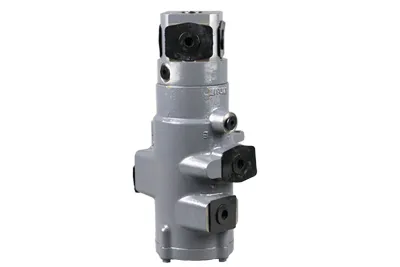

Rotational Speed
The rotational speed of the swivel rotary joint is another important consideration. In hydraulic systems, the joint might need to rotate at different speeds depending on the application.
If the rotational speed is too high for the joint, it can cause excessive wear on the bearings and seals. This can lead to premature failure of the joint. On the other hand, if the joint is designed for high - speed rotation but used in a low - speed application, it might be over - engineered and more expensive than necessary.
You need to know the maximum rotational speed of your system and choose a rotary joint that can handle it. We have a variety of joints available, each designed for different rotational speed ranges. Whether you need a joint for slow - moving equipment or high - speed machinery, we've got you covered.
Sealing Performance
Good sealing is essential in hydraulic systems. A leaky swivel rotary joint can lead to a loss of hydraulic fluid, which can reduce the efficiency of the system and cause environmental problems.
The seals in the rotary joint need to be able to prevent fluid leakage while allowing smooth rotation. There are different types of seals available, such as lip seals, mechanical seals, and O - rings. The type of seal you choose depends on factors like pressure, temperature, and the type of hydraulic fluid.
Our swivel rotary joints are equipped with high - quality seals that are designed to provide excellent sealing performance. We use advanced manufacturing techniques to ensure that the seals fit perfectly and can withstand the harsh conditions of hydraulic systems.
Mounting and Installation
Proper mounting and installation of the swivel rotary joint are crucial for its performance. The joint needs to be installed correctly to ensure smooth rotation and prevent leaks.
Mounting
The mounting method of the rotary joint depends on the design of your hydraulic system. There are different mounting options available, such as flange mounting, threaded mounting, and clamp mounting. Make sure to choose the mounting method that is most suitable for your system.
During installation, make sure that the joint is aligned properly. Misalignment can cause extra stress on the bearings and seals, leading to premature failure. You might need to use alignment tools to ensure that the joint is installed correctly.
Installation
Follow the manufacturer's installation instructions carefully. This includes things like tightening the bolts to the correct torque, lubricating the seals, and checking for any signs of damage before installation. If you're not sure how to install the swivel rotary joint, our technical support team can provide you with guidance.
Multiple Passages
In some hydraulic systems, you might need a swivel rotary joint with multiple passages. This allows for the transfer of different hydraulic fluids or the simultaneous operation of multiple functions.
Multi Passage Rotary Union are designed to handle these complex requirements. They have separate passages for each fluid or function, which are sealed independently to prevent cross - contamination.
When choosing a multi - passage rotary joint, make sure to consider the number of passages you need, the flow rate of each passage, and the pressure and temperature ratings for each passage. Our experts can help you design a custom multi - passage rotary joint that meets your specific needs.
Maintenance and Serviceability
Regular maintenance is important to ensure the long - term performance of the swivel rotary joint. This includes things like checking for leaks, inspecting the seals and bearings, and lubricating the moving parts.
Maintenance Schedule
Establish a regular maintenance schedule for your swivel rotary joint. This might involve daily visual inspections, weekly or monthly checks of the seals and bearings, and annual overhauls. By following a maintenance schedule, you can catch any potential problems early and prevent costly breakdowns.
Serviceability
Choose a swivel rotary joint that is easy to service. This means that the seals and bearings should be accessible for replacement, and the joint should be designed in a way that allows for easy disassembly and reassembly. Our swivel rotary joints are designed with serviceability in mind, making it easy for you to perform maintenance tasks.
Customization
Every hydraulic system is unique, and sometimes you might need a custom - designed swivel rotary joint. Whether you need a joint with a specific size, shape, or performance requirement, we can help.
Our engineering team has the expertise to design and manufacture custom swivel rotary joints to meet your exact specifications. We use the latest CAD/CAM technology to create precise designs and advanced manufacturing processes to produce high - quality joints.
Conclusion
Using swivel rotary joints in hydraulic systems requires careful consideration of factors like compatibility with hydraulic fluids, pressure and temperature ratings, rotational speed, sealing performance, mounting and installation, multiple passages, maintenance, and customization.
As a supplier of swivel rotary joints, we're committed to providing you with high - quality products and excellent customer service. If you're in the market for a swivel rotary joint for your hydraulic system, don't hesitate to reach out to us. We can help you select the right joint, provide technical support during installation, and offer ongoing maintenance and service. Let's work together to ensure the reliable and efficient operation of your hydraulic system.
References
- Hydraulic Systems Handbook, various authors
- Sealing Technology in Hydraulic Applications, industry research report
- Rotary Joint Design and Performance, engineering textbooks