

What are the special design requirements for a rotating joint in special environments?
May 06, 2026
Hey there! As a supplier of rotating joints, I've seen firsthand the unique challenges that come with designing these components for special environments. In this blog, I'll share some insights into the special design requirements for rotating joints in various special settings.
Extreme Temperatures
One of the most common special environments is extreme temperatures. Whether it's the freezing cold of an Arctic research station or the scorching heat of a desert oil rig, rotating joints need to perform reliably under these conditions.
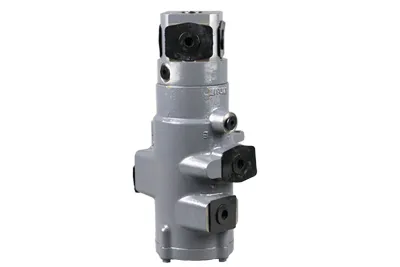

In cold environments, materials can become brittle, and lubricants can thicken or even freeze. To address this, we often use materials with low-temperature flexibility, such as certain types of elastomers and polymers. These materials can maintain their elasticity and sealing properties even in sub-zero temperatures.
On the other hand, in high-temperature environments, materials can expand, and lubricants can break down. We use high-temperature-resistant materials like ceramics and heat-treated metals. These materials can withstand the heat without deforming or losing their mechanical properties. Additionally, we may use special high-temperature lubricants that can maintain their viscosity and lubricating properties at elevated temperatures.
High Pressure
Another challenging environment is high-pressure applications. In industries like oil and gas, hydraulic systems often operate at extremely high pressures. Rotating joints in these systems need to be able to withstand these pressures without leaking or failing.
To design rotating joints for high-pressure environments, we focus on the sealing mechanism. We use advanced sealing technologies, such as multiple seals and high-pressure-resistant materials. These seals are designed to prevent fluid leakage even under high pressure. Additionally, the body of the rotating joint is typically made of high-strength materials that can withstand the pressure without deformation.
Corrosive Environments
Corrosion is a major concern in many industries, especially those dealing with chemicals, water, or saltwater. Rotating joints in these environments need to be resistant to corrosion to ensure long-term reliability.
We use corrosion-resistant materials such as stainless steel, titanium, and certain types of plastics. These materials can resist the effects of corrosion and maintain their integrity over time. In some cases, we may also apply protective coatings to the rotating joint to further enhance its corrosion resistance.
Dust and Debris
In industrial settings, rotating joints may be exposed to dust, dirt, and debris. These particles can cause wear and damage to the rotating joint, leading to premature failure.
To protect the rotating joint from dust and debris, we use seals and shields. These components prevent particles from entering the rotating joint and causing damage. Additionally, we may design the rotating joint with self-cleaning features, such as channels or grooves that allow dust and debris to be flushed out.
Special Design Features
In addition to the materials and sealing mechanisms, there are several special design features that can enhance the performance of rotating joints in special environments.
For example, in applications where there is a lot of vibration, we may use vibration-damping materials or designs to reduce the impact of vibration on the rotating joint. This can help prevent premature wear and failure.
In applications where there is a need for high-speed rotation, we may use special bearings and lubrication systems to ensure smooth and efficient operation. These bearings are designed to handle high speeds and reduce friction, which can improve the overall performance of the rotating joint.
Our Product Range
At our company, we offer a wide range of rotating joints to meet the needs of different special environments.
Our Multi Passage Rotary Union is suitable for applications that require the transfer of multiple fluids or gases simultaneously. It has multiple passages that can be used to transfer different media, such as water, oil, or air.
And our Hydraulic Rotary Swivel Joint is specifically designed for hydraulic systems. It can withstand high pressures and is suitable for use in applications such as construction equipment, agricultural machinery, and industrial automation.
Contact Us for Your Needs
If you're looking for a rotating joint for a special environment, we're here to help. Our team of experts can work with you to understand your specific requirements and recommend the best solution for your application. Whether you need a custom-designed rotating joint or a standard product, we have the experience and expertise to meet your needs.
Don't hesitate to reach out to us to discuss your project and get a quote. We're committed to providing high-quality products and excellent customer service. Let's work together to find the perfect rotating joint for your special environment.
References
- "Engineering Materials and Their Applications" by William D. Callister Jr.
- "Mechanical Design of Machine Elements and Machines: A Failure Prevention Perspective" by Jack A. Collins.
- Industry standards and guidelines related to rotating joints and special environments.