

What are the special requirements for water rotary joints in a food processing machine?
Apr 15, 2026
Hey there! As a water rotary joint supplier, I've seen firsthand the unique needs of food processing machines when it comes to these crucial components. In this blog, I'll dive into the special requirements for water rotary joints in food processing machines, sharing some insights and tips based on my experience in the industry.
Hygiene and Sanitation
One of the most critical requirements for water rotary joints in food processing machines is hygiene and sanitation. Since food processing involves handling edible products, any contamination can have serious consequences for public health. Therefore, water rotary joints used in these machines must be designed and manufactured to meet strict hygiene standards.
First and foremost, the materials used in the construction of water rotary joints should be food-grade and resistant to corrosion. Stainless steel is a popular choice due to its durability, easy cleaning, and resistance to rust and bacteria. Additionally, the joints should have smooth surfaces and minimal crevices to prevent the accumulation of dirt, debris, and bacteria.
Another important aspect of hygiene is the ability to clean and sanitize the water rotary joints effectively. The design should allow for easy disassembly and cleaning, with no hidden areas where contaminants can hide. Some water rotary joints are equipped with self-cleaning mechanisms or are designed to be cleaned in place (CIP), which can significantly reduce the time and effort required for maintenance.
Temperature and Pressure Resistance
Food processing machines often operate at high temperatures and pressures, especially in processes such as cooking, sterilization, and pasteurization. Therefore, water rotary joints used in these machines must be able to withstand these extreme conditions without compromising their performance.
When it comes to temperature resistance, water rotary joints should be able to handle a wide range of temperatures, from freezing to boiling. They should also be able to maintain their sealing properties and structural integrity under thermal stress. This requires the use of high-quality materials and advanced manufacturing techniques to ensure that the joints can withstand the heat and pressure without leaking or failing.
In addition to temperature resistance, water rotary joints must also be able to handle high pressures. The pressure in food processing machines can vary depending on the specific process, but it can often reach several hundred pounds per square inch (psi). Therefore, the joints should be designed and tested to withstand these pressures without leaking or bursting.
Leakage Prevention
Leakage is a major concern in food processing machines, as it can lead to product contamination, equipment damage, and increased maintenance costs. Therefore, water rotary joints used in these machines must be designed to prevent leakage and ensure a reliable seal.

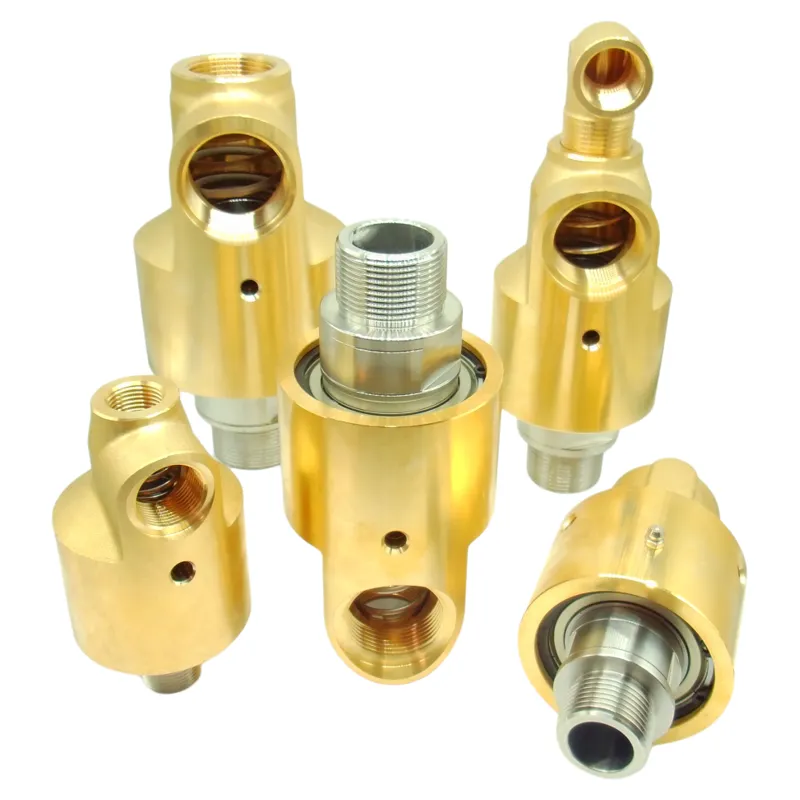
One of the key factors in preventing leakage is the quality of the sealing materials used in the water rotary joints. The seals should be made of high-quality elastomers or other materials that are resistant to wear, tear, and chemical attack. They should also be designed to provide a tight seal even under high pressures and temperatures.
Another important aspect of leakage prevention is the design of the water rotary joints. The joints should be designed to minimize the number of potential leakage points and to provide a reliable seal at each connection. This may involve the use of advanced sealing technologies, such as mechanical seals or O-rings, to ensure a tight and secure seal.
Compatibility with Food Products
Water rotary joints used in food processing machines must be compatible with the food products being processed. This means that the joints should not react with the food products or release any harmful substances that could contaminate the food.
The materials used in the construction of water rotary joints should be carefully selected to ensure compatibility with the food products. For example, if the food product is acidic, the joints should be made of materials that are resistant to acid corrosion. Similarly, if the food product is high in fat or oil, the joints should be made of materials that are resistant to oil and grease.
In addition to material compatibility, water rotary joints should also be designed to prevent cross-contamination between different food products. This may involve the use of separate joints for different products or the implementation of strict cleaning and sanitation procedures between batches.
Ease of Installation and Maintenance
Finally, water rotary joints used in food processing machines should be easy to install and maintain. This is important because food processing machines are often in continuous operation, and any downtime can result in significant losses.
The design of the water rotary joints should allow for easy installation and removal, with minimal tools and expertise required. The joints should also be designed to be easily accessible for maintenance and repair, with clear instructions and diagrams provided.
In addition to ease of installation and maintenance, water rotary joints should also be designed to have a long service life. This can be achieved through the use of high-quality materials, advanced manufacturing techniques, and proper maintenance procedures.
Our Products
At our company, we offer a wide range of water rotary joints that are specifically designed to meet the special requirements of food processing machines. Our products are made of high-quality materials and are designed to provide reliable performance, even in the most demanding applications.
One of our popular products is the KAD4300 Water Rotary Joint. This joint is made of stainless steel and is designed to provide a reliable seal at high temperatures and pressures. It is also easy to install and maintain, making it a popular choice for food processing machines.
Another product we offer is the JF-25R-BJ Cooling Chamber Rotary Joint. This joint is specifically designed for use in cooling chambers and is able to handle a wide range of temperatures and pressures. It is also made of food-grade materials and is easy to clean and sanitize.
Contact Us
If you're in the market for water rotary joints for your food processing machine, we'd love to hear from you. Our team of experts can help you choose the right joint for your specific application and provide you with all the information you need to make an informed decision.
Whether you're looking for a standard water rotary joint or a custom solution, we have the expertise and experience to meet your needs. So, don't hesitate to contact us today to learn more about our products and services.
References
- "Food Processing Machinery: Hygiene Design Principles," Food and Agriculture Organization of the United Nations.
- "Rotary Joints: A Guide to Selection and Application," Parker Hannifin Corporation.
- "Water Rotary Joints for Food Processing Machines," Industrial Equipment News.