

What are the weight - reduction measures for a gat rotary joint?
Oct 14, 2025
Hey there! As a supplier of GAT rotary joints, I've been getting a lot of questions lately about weight - reduction measures for these nifty pieces of equipment. So, I thought I'd sit down and share some insights on this topic.
First off, let's understand why weight reduction matters for GAT rotary joints. In many industrial applications, reducing the weight of components can lead to significant benefits. It can lower energy consumption, as less power is needed to move lighter parts. This also translates to cost savings in the long run. Additionally, lighter rotary joints can put less stress on the supporting structures and other connected equipment, which can extend their lifespan and reduce maintenance requirements.
Material Selection
One of the most effective ways to reduce the weight of a GAT rotary joint is through smart material selection. Traditional materials like steel are heavy and while they offer great strength and durability, there are alternatives that can provide a good balance between strength and weight.
For instance, aluminum alloys are a popular choice. They are much lighter than steel, yet they still have decent strength properties. Aluminum can withstand a fair amount of pressure and is resistant to corrosion in many environments. This makes it suitable for a wide range of applications where the rotary joint doesn't need to handle extremely high - stress conditions.
Another option is composite materials. Composites are made by combining two or more different materials to create a new material with enhanced properties. Some composites can be designed to be very lightweight while still offering high strength. They can be tailored to meet specific requirements, such as resistance to chemicals or high - temperature stability. However, composites can be more expensive than metals, so the cost - benefit analysis needs to be carefully considered.
Design Optimization
The design of the GAT rotary joint also plays a crucial role in weight reduction. Engineers can use advanced computer - aided design (CAD) tools to analyze the stress distribution within the joint and identify areas where material can be removed without sacrificing performance.
For example, hollow structures can be incorporated into the design. Instead of using solid bars or cylinders, a hollow tube can be used in certain parts of the rotary joint. This reduces the amount of material used, and thus the weight, while still maintaining the necessary structural integrity.
Another design approach is to simplify the joint's geometry. Complex shapes often require more material to be used for manufacturing. By streamlining the design and eliminating unnecessary features, we can reduce the overall weight of the rotary joint. For instance, if there are small protrusions or bends that don't contribute to the joint's functionality, they can be removed.
Component Integration
Integrating multiple functions into a single component can also lead to weight reduction. Instead of having several separate parts performing different tasks, we can design a single part that can do it all. This not only reduces the number of components but also the overall weight of the rotary joint.
For example, some GAT rotary joints can be designed to combine the functions of fluid transfer and power transmission. By integrating these functions, we can eliminate the need for additional connecting parts, which in turn reduces weight.
Comparison with Similar Products
When it comes to weight - reduction, it's also interesting to compare GAT rotary joints with other similar products in the market. There are different types of rotary joints available, such as Dual Flow Rotary Joints, Machine Coolant Rotary Joints, and Pneumatic Rotary Joint.
Dual flow rotary joints are designed to transfer two different fluids simultaneously. Some manufacturers may focus on weight reduction by using lightweight materials and efficient designs. Machine coolant rotary joints, on the other hand, are used to transfer coolant to machinery. These joints can also benefit from weight - reduction measures to improve the overall efficiency of the cooling system. Pneumatic rotary joints are used in applications where air or gas needs to be transferred. By reducing their weight, we can make the pneumatic systems more energy - efficient.
Real - World Applications
Let's take a look at some real - world applications where weight - reduction of GAT rotary joints can have a significant impact. In the automotive industry, for example, rotary joints are used in various manufacturing processes. By reducing the weight of these joints, we can lower the energy consumption of the production equipment, which in turn reduces the carbon footprint of the manufacturing process.
In the aerospace industry, every ounce of weight matters. GAT rotary joints used in aircraft systems can be optimized for weight reduction. This can lead to improved fuel efficiency and increased payload capacity.
Conclusion
In conclusion, there are several weight - reduction measures for GAT rotary joints, including material selection, design optimization, and component integration. Each measure has its own advantages and considerations, and the best approach depends on the specific requirements of the application.
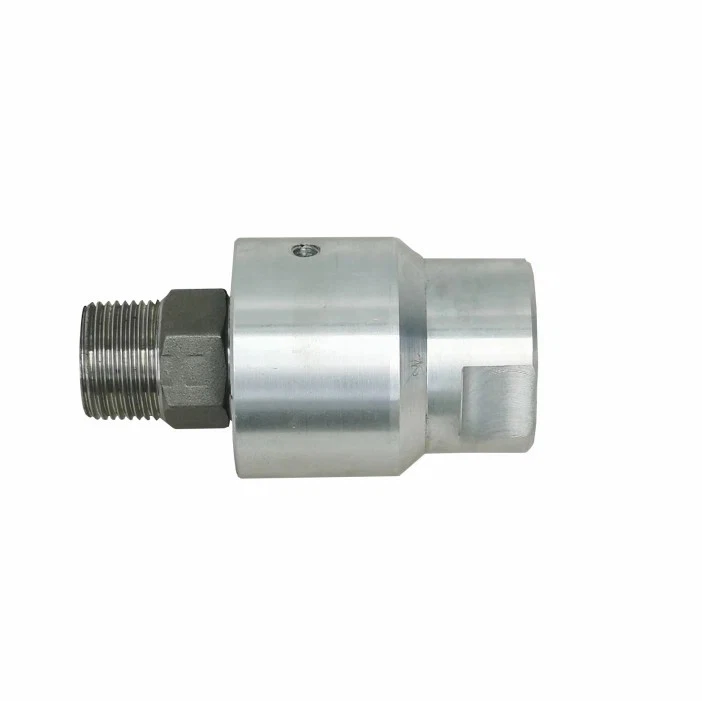

If you're in the market for GAT rotary joints and are interested in weight - reduction solutions, I'd love to have a chat with you. Whether you need a rotary joint for a small - scale project or a large - scale industrial application, we can work together to find the best solution for your needs. Don't hesitate to reach out for a discussion on how we can optimize the weight and performance of your rotary joints.
References
- Material Science and Engineering textbooks
- Industry reports on rotary joint technology
- Research papers on lightweight materials and design optimization