

What types of rotary joints are there?
Feb 10, 2026
Rotary joints are essential components in various industrial applications, enabling the transfer of fluids, gases, or electrical signals between stationary and rotating parts. As a leading rotary joint supplier, we understand the diverse needs of our customers and offer a wide range of rotary joints to meet those requirements. In this blog post, we will explore the different types of rotary joints available in the market and their applications.
Single Flow Rotary Joints
Single flow rotary joints are the most basic type of rotary joints, designed to transfer a single fluid or gas from a stationary source to a rotating component. These joints typically consist of a housing, a rotating shaft, and a sealing mechanism to prevent leakage. Single flow rotary joints are commonly used in applications such as conveyor systems, printing presses, and packaging machinery.
One of our popular single flow rotary joints is the 1114-308-188 Stainless Steel Rotary Joint. This joint is made of high-quality stainless steel, providing excellent corrosion resistance and durability. It is suitable for a wide range of fluids, including water, oil, and air, and can operate at high pressures and temperatures.
Dual Flow Rotary Joints
Dual flow rotary joints are designed to transfer two different fluids or gases simultaneously between a stationary and a rotating part. These joints have two separate flow paths, allowing for independent control of each fluid. Dual flow rotary joints are commonly used in applications such as heat exchangers, cooling systems, and hydraulic machinery.
Our Dual Flow Rotary Union is a high-performance dual flow rotary joint that offers reliable and efficient fluid transfer. It features a compact design, high-pressure capabilities, and excellent sealing performance. This joint is suitable for a variety of fluids, including steam, water, and oil, and can be customized to meet specific application requirements.
Multi-Passage Rotary Joints
Multi-passage rotary joints are designed to transfer multiple fluids or gases through multiple channels simultaneously. These joints are commonly used in applications where complex fluid transfer is required, such as in the automotive, aerospace, and semiconductor industries. Multi-passage rotary joints can have up to 20 or more passages, allowing for the transfer of different fluids or gases in a single joint.
Our multi-passage rotary joints are engineered to provide precise and reliable fluid transfer. They are made of high-quality materials, such as stainless steel and carbon steel, and feature advanced sealing technology to prevent leakage. These joints can be customized to meet specific application requirements, including the number of passages, flow rates, and pressure ratings.
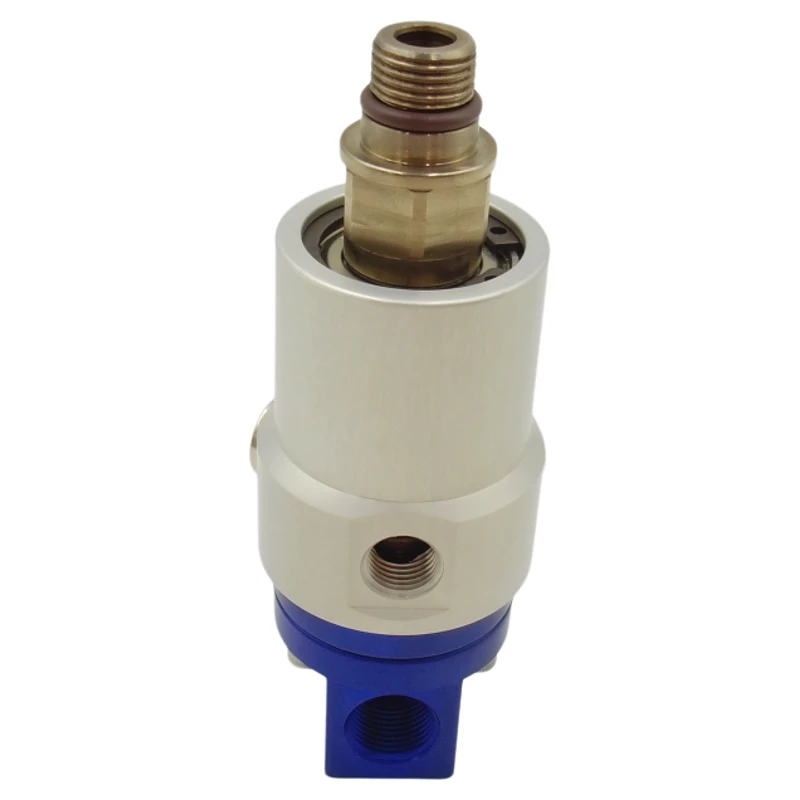
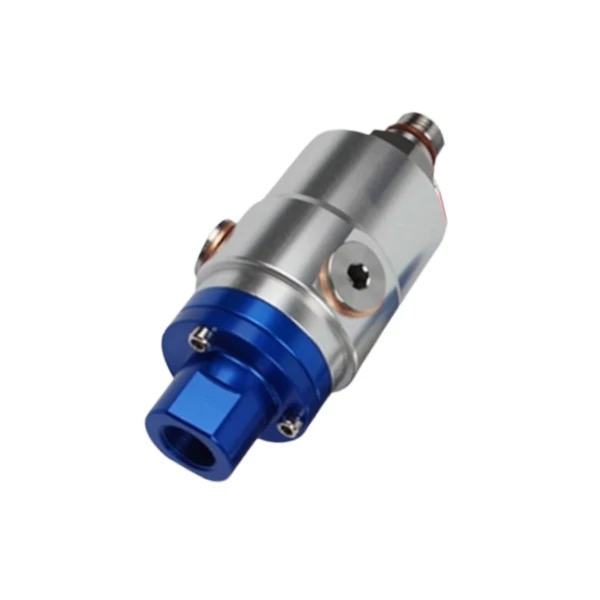
Pneumatic Rotary Joints
Pneumatic rotary joints are used to transfer compressed air or other gases between a stationary and a rotating part. These joints are commonly used in applications such as pneumatic tools, automation systems, and packaging machinery. Pneumatic rotary joints are designed to provide reliable and efficient air transfer, with minimal leakage and pressure drop.
Our pneumatic rotary joints are engineered to meet the highest standards of quality and performance. They are made of high-quality materials, such as aluminum and stainless steel, and feature advanced sealing technology to prevent leakage. These joints can be customized to meet specific application requirements, including the size, flow rate, and pressure rating.
Hydraulic Rotary Joints
Hydraulic rotary joints are used to transfer hydraulic fluid between a stationary and a rotating part. These joints are commonly used in applications such as hydraulic presses, cranes, and excavators. Hydraulic rotary joints are designed to provide reliable and efficient fluid transfer, with high-pressure capabilities and minimal leakage.
We offer a wide range of hydraulic rotary joints to meet the diverse needs of our customers. Our hydraulic joints are available in various sizes and configurations, including single and multi-passage types. They are made of high-quality materials, such as carbon steel and stainless steel, and feature advanced sealing technology to prevent leakage. These joints can be customized to meet specific application requirements, including the pressure rating, flow rate, and temperature range.
Application Considerations
When selecting a rotary joint for a specific application, several factors need to be considered, including the type of fluid or gas being transferred, the operating pressure and temperature, the rotational speed, and the required flow rate. It is also important to consider the environment in which the joint will be used, such as the presence of dust, moisture, or corrosive substances.
Our team of experts can help you select the right rotary joint for your application. We have extensive experience in the design and manufacture of rotary joints and can provide customized solutions to meet your specific requirements. We also offer technical support and after-sales service to ensure the optimal performance of your rotary joints.
Conclusion
In conclusion, rotary joints are essential components in various industrial applications, enabling the transfer of fluids, gases, or electrical signals between stationary and rotating parts. As a leading rotary joint supplier, we offer a wide range of rotary joints to meet the diverse needs of our customers. Our products are designed to provide reliable and efficient fluid transfer, with high-quality materials and advanced sealing technology.
If you are looking for a reliable rotary joint supplier, please contact us to discuss your requirements. We will be happy to provide you with more information about our products and services and help you select the right rotary joint for your application.
References
- "Rotary Joint Handbook" by Emerson Industrial Automation
- "Industrial Rotary Joints: Design, Selection, and Application" by John Wiley & Sons
- "Fluid Power Handbook" by Pneumatic Automation Ltd.