

What is the dynamic balance of a rotary joint air?
Mar 02, 2026
Hey there! Being a supplier of rotary joint air, I've spent a ton of time thinking about and dealing with the dynamic balance of these nifty little components. So, today, I'm gonna break down what the dynamic balance of a rotary joint air is all about.
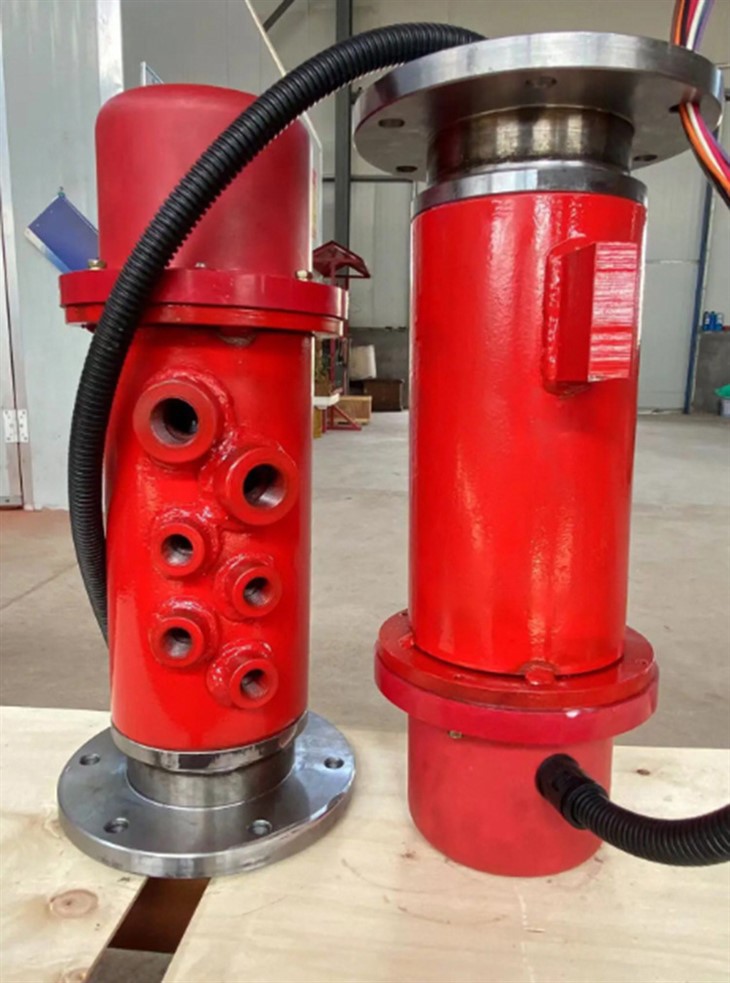
First off, let's get a basic understanding of what a rotary joint air is. It's a device that allows the transfer of air (or sometimes other fluids) between a stationary and a rotating structure. You can see different types of rotary joints on our website, like the Electrical Rotary Joint and Fiber Optic Rotary Joint. These rotary joints have all sorts of applications, from industrial machinery to aerospace equipment. But for the purpose of this blog, we're focusing on the air - based ones.
Now, the dynamic balance of a rotary joint air is super important. In simple terms, dynamic balance refers to the state where all the rotating parts of the joint are in harmony, with no excessive vibrations or uneven forces acting on them during operation. If a rotary joint air isn't dynamically balanced, it can lead to a whole host of problems.
One of the main issues is increased wear and tear. When a joint isn't balanced, there are uneven forces acting on the seals, bearings, and other internal components. This can cause the seals to wear out faster, which means they're more likely to leak air. And we all know that air leaks are a big no - no in most applications. They can lead to loss of pressure, reduced efficiency, and even safety hazards in some cases.
Another problem related to poor dynamic balance is vibrations. Excessive vibrations can not only be annoying, but they can also cause damage to the surrounding equipment. For example, in a high - speed industrial machine, the vibrations from an unbalanced rotary joint air can be transmitted to other parts of the machine, leading to premature failure of those components.
So, how do we achieve dynamic balance in a rotary joint air? Well, it starts with the design and manufacturing process. At our company, we use advanced engineering techniques to ensure that the rotating parts of the joint are as balanced as possible right from the start. We carefully select the materials, and use precise machining methods to create components with uniform mass distribution.
During the manufacturing process, we perform detailed inspections. We check the dimensions of each part to make sure they're within the specified tolerances. Any slight variation in the size or shape of a component can affect the balance of the joint. We also use specialized equipment to measure the mass distribution of the rotating parts. If we find any areas where the mass is uneven, we can make adjustments.
For example, sometimes we might add small weights to the rotating parts in strategic locations to counterbalance any excess mass. This is a very precise process, and it requires a lot of skill and experience.
After the joint is assembled, we conduct further tests. We run the joint at different speeds to simulate real - world operating conditions. By measuring the vibrations during these tests, we can determine if the joint is properly balanced. If there are still some issues, we can make further adjustments before shipping the product to our customers.
It's also important to note that the dynamic balance of a rotary joint air can change over time. Even if a joint is perfectly balanced when it's new, factors like normal wear and tear, contamination, and temperature changes can affect its balance. That's why regular maintenance is so crucial.
We recommend that our customers inspect their rotary joint air regularly. They should look for signs of wear on the seals, check for any air leaks, and monitor the vibrations. If they notice any problems, they should contact us right away. We can provide guidance on whether the joint needs to be adjusted, repaired, or replaced.
In the industrial world, where efficiency and reliability are key, having a properly balanced rotary joint air can make a huge difference. For instance, in a pneumatic conveyor system, a well - balanced rotary joint ensures a consistent flow of air, which in turn helps to move materials smoothly and efficiently.
Let's talk about some real - world scenarios where the dynamic balance of a rotary joint air matters. In the automotive industry, rotary joints are used in various applications, such as power steering systems and brake systems. A balanced rotary joint in these systems ensures smooth and reliable operation. Any imbalance can lead to reduced performance, increased noise, and potential safety issues.
In the food and beverage industry, rotary joint air is used in packaging machines. These machines need to operate at high speeds and with precision. A balanced rotary joint ensures that the air supply to the machine is consistent, which is essential for proper packaging. If the joint is unbalanced, it can lead to packaging errors, such as improper sealing or misaligned labels.
If you're in the market for a rotary joint air, or if you have an existing one that needs maintenance or replacement, don't hesitate to reach out to us. We've got the expertise and the experience to provide you with high - quality products and excellent service. Whether you're looking for a standard rotary joint or a custom - made one for a specific application, we've got you covered.
We also offer a wide range of other rotary joints, such as the Rotary Joint Steam, which is designed for applications where steam is the working fluid. Each of our products is carefully engineered and tested to ensure optimal performance.
Don't let a poorly balanced rotary joint air cause problems in your equipment. Contact us today to start a conversation about your needs. We're here to help you find the best solution for your business.

References
Engineering textbooks on mechanical design and fluid dynamics
Industry research papers on the performance of rotary joints