

What is the installation torque for rotary union seals?
Nov 05, 2025
As a trusted supplier of rotary union seals, I often receive inquiries about the installation torque for these critical components. Understanding the correct installation torque is essential for ensuring the optimal performance and longevity of rotary union seals. In this blog post, I will delve into the concept of installation torque, its significance, and how to determine the appropriate torque for your specific application.
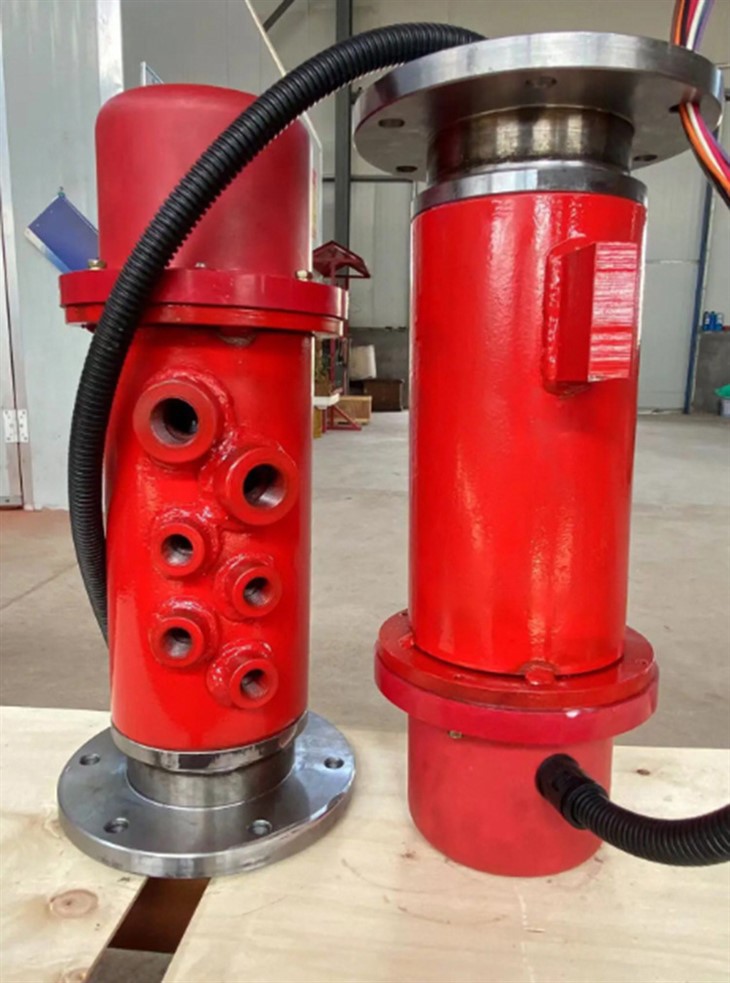

What is Installation Torque?
Installation torque refers to the amount of force applied when tightening the bolts or fasteners that secure the rotary union seal in place. This force is crucial because it directly affects the seal's ability to prevent leaks and maintain a proper seal between the rotating and stationary parts of the system. Insufficient torque can lead to leaks, while excessive torque can damage the seal or the mating surfaces, also resulting in leaks and potential equipment failure.
Why is Installation Torque Important?
- Leak Prevention: A properly torqued seal creates a tight and reliable barrier between the fluid or gas being transferred and the external environment. This prevents leaks, which can be costly in terms of lost fluids, environmental contamination, and potential damage to surrounding equipment.
- Seal Longevity: Correct installation torque helps to distribute the load evenly across the seal, reducing stress concentrations that can cause premature wear and failure. By ensuring the seal is not over - or under - tightened, you can extend its service life and reduce maintenance costs.
- System Performance: A well - sealed rotary union is essential for the efficient operation of the entire system. Leaks can disrupt the flow of fluids or gases, leading to reduced performance, increased energy consumption, and potential safety hazards.
Factors Affecting Installation Torque
Determining the appropriate installation torque is not a one - size - fits - all process. Several factors need to be considered:
- Seal Material: Different seal materials have different mechanical properties, such as hardness and elasticity. Softer materials may require less torque to achieve a proper seal, while harder materials may need more force. For example, elastomeric seals like rubber are more flexible and may need less torque compared to PTFE - based seals.
- Seal Design: The design of the rotary union seal, including its cross - sectional shape and the number of sealing lips, can influence the required torque. Seals with multiple sealing lips may require more torque to ensure each lip makes proper contact with the mating surface.
- Mating Surface Conditions: The smoothness, flatness, and surface finish of the mating surfaces play a significant role in determining the installation torque. Rough or uneven surfaces may require more torque to compensate for the irregularities and achieve a good seal.
- Operating Conditions: The pressure, temperature, and speed at which the rotary union operates can also affect the installation torque. Higher pressures may require more torque to maintain the seal, while extreme temperatures can cause the seal material to expand or contract, altering the required torque.
How to Determine the Appropriate Installation Torque
- Manufacturer's Recommendations: The first and most reliable source of information is the manufacturer's specifications. As a rotary union seal supplier, we provide detailed installation instructions and torque values for each of our products. These recommendations are based on extensive testing and engineering analysis to ensure optimal performance.
- Torque Calculation Formulas: In some cases, if the manufacturer's data is not available, you can use torque calculation formulas. These formulas take into account factors such as the bolt diameter, the coefficient of friction between the bolt and the mating surface, and the desired pre - load on the seal. However, this method requires a good understanding of mechanical engineering principles and should be used with caution.
- Testing and Validation: For critical applications or when dealing with unique operating conditions, it may be necessary to conduct testing to determine the optimal installation torque. This can involve using torque sensors and leak detection equipment to measure the performance of the seal under different torque values.
Installation Torque for Different Types of Rotary Union Seals
- Electrical Rotary Joint Seals: Electrical rotary joints are used to transfer electrical signals and power between rotating and stationary parts. The installation torque for these seals is crucial to prevent electrical arcing and ensure reliable signal transmission. Typically, the torque values for electrical rotary joint seals are relatively low to avoid damaging the delicate electrical components.
- Gas Rotary Union Seals: Gas rotary unions are designed to transfer gases such as air, nitrogen, or natural gas. The installation torque for gas rotary union seals needs to be carefully controlled to prevent gas leaks, which can be dangerous and wasteful. Higher pressures in gas systems may require higher installation torques, but it is important not to over - tighten and damage the seal.
- Rotary Joint Seals for General Fluid Applications: These seals are used in a wide range of industries to transfer liquids such as water, oil, or hydraulic fluids. The installation torque depends on the type of fluid, the operating pressure, and the seal material. For example, seals used in high - pressure hydraulic systems may require higher torque values compared to those used in low - pressure water applications.
Best Practices for Installing Rotary Union Seals with the Correct Torque
- Use the Right Tools: Always use a calibrated torque wrench to ensure accurate and consistent torque application. Avoid using impact wrenches, as they can apply excessive force and damage the seal or the fasteners.
- Clean and Inspect the Surfaces: Before installation, thoroughly clean the mating surfaces to remove any dirt, debris, or contaminants. Inspect the surfaces for any damage or irregularities and repair or replace them if necessary.
- Follow a Torque Sequence: When tightening multiple bolts or fasteners, follow a specific torque sequence to ensure even loading on the seal. This typically involves tightening the bolts in a criss - cross pattern in multiple passes, gradually increasing the torque to the recommended value.
- Check for Leaks After Installation: Once the seal is installed and torqued, check for leaks using a suitable leak detection method. This can help identify any issues early on and allow for adjustments to be made if necessary.
Conclusion
The installation torque for rotary union seals is a critical factor in ensuring their proper performance and longevity. By understanding the factors that affect installation torque, following the manufacturer's recommendations, and using best practices during installation, you can minimize the risk of leaks, extend the service life of the seals, and optimize the performance of your rotary union systems.
If you are in the market for high - quality rotary union seals or need more information about installation torque and other technical aspects, we are here to help. Our team of experts can provide you with the guidance and support you need to select the right seals for your application and ensure they are installed correctly. Contact us today to start a discussion about your specific requirements and explore how our rotary union seals can meet your needs.
References
- "Sealing Technology Handbook" by Heinz K. Stepke
- Various technical papers on rotary union design and seal installation from industry - leading manufacturers.