

What is the quality control of a rotary union?
Nov 25, 2025
Hey there! As a supplier of rotary unions, I've been in the game for quite some time, and I know how crucial quality control is in this industry. So, let's dive right into what the quality control of a rotary union is all about.
First off, what exactly is a rotary union? Well, it's a device that allows the transfer of fluid (like liquid or gas) from a stationary source to a rotating part. It's used in a bunch of different industries, from manufacturing to automotive, and even in some high - tech applications.
Now, when it comes to quality control, it's not just about making sure the rotary union looks good on the outside. It's a comprehensive process that starts from the very beginning of the production and continues all the way to the final product.
Design and Material Selection
The quality control process kicks off with the design phase. We need to make sure that the rotary union is designed to meet the specific requirements of our customers. This means taking into account factors like the type of fluid it will be handling, the pressure and temperature it will be exposed to, and the speed at which the rotating part will spin.
For instance, if a customer needs a rotary union for a high - pressure hydraulic system, we can't just use any old design. We have to engineer it to withstand those high pressures without leaking or failing.
Material selection is another critical aspect. The materials used in a rotary union can greatly affect its performance and longevity. We usually use high - quality metals like stainless steel, brass, or aluminum, depending on the application. These materials are chosen for their strength, corrosion resistance, and ability to handle different types of fluids.
Let me give you an example. If a rotary union is going to be used in a chemical processing plant where it will be exposed to corrosive chemicals, we'll opt for stainless steel because it can resist corrosion better than other materials.
Manufacturing Process
Once the design is finalized and the materials are selected, it's time to start manufacturing. And this is where quality control really gets hands - on.
We have strict manufacturing standards in place. Every step of the production process is closely monitored to ensure that the rotary union is being made to the highest quality. For example, during the machining process, we use precision tools to cut and shape the parts. The dimensions have to be within a very tight tolerance range. Even a tiny deviation can cause problems later on, like leaks or improper functioning.
We also have quality control checks at various stages of the manufacturing process. For instance, after a part is machined, it goes through an inspection to make sure it meets the required specifications. If it doesn't, it's either re - worked or scrapped.
Testing and Inspection
Testing is a huge part of quality control for rotary unions. We can't just assume that the product will work perfectly once it's assembled. We have to test it under real - world conditions.
One of the most common tests is the pressure test. We fill the rotary union with the fluid it's designed to handle and then apply pressure to it. We monitor it closely to make sure there are no leaks. This test helps us identify any weak spots in the design or manufacturing.
We also do a rotational test. We spin the rotating part at different speeds to see how the rotary union performs. This helps us check for any vibrations, excessive wear, or other issues that could affect its long - term performance.
In addition to these tests, we also do visual inspections. We look for any surface defects, like scratches or dents, that could affect the performance or appearance of the rotary union.
Quality Assurance Systems
To ensure consistent quality, we have a comprehensive quality assurance system in place. This system includes everything from documentation to employee training.
We keep detailed records of every rotary union we produce. This includes information about the design, materials used, manufacturing process, and test results. These records are not only useful for quality control purposes but also for traceability. If there's ever an issue with a product, we can easily go back and find out exactly what went wrong.
Employee training is also a key part of our quality assurance system. We make sure that all our employees are well - trained in the latest manufacturing techniques and quality control methods. This helps us maintain a high level of quality across the board.
Different Types of Rotary Unions and Their Quality Control
There are different types of rotary unions, and each one has its own unique quality control requirements.
For example, a Multi Passage Rotary Union is designed to transfer multiple fluids simultaneously. Quality control for these types of rotary unions is even more critical because any cross - contamination between the different passages can cause serious problems. We have to make sure that the seals between the passages are tight and that there's no leakage between them.
A Pneumatic Rotary Joint is used for transferring compressed air. In this case, we focus on making sure that the joint can handle the specific pressure and flow rate of the compressed air. We also need to ensure that there are no air leaks, as this can lead to a loss of efficiency in the system.
A Rotating Pipe Joint is often used in piping systems where there's a need for rotation. Quality control for these joints involves checking the alignment, the strength of the connection, and the ability to handle the flow of fluid through the pipes.
Why Quality Control Matters
You might be wondering, why all this fuss about quality control? Well, there are several reasons.
First of all, a high - quality rotary union is more reliable. It's less likely to break down or malfunction, which means less downtime for our customers. In industries where every minute of production counts, this can save a lot of money.
Secondly, a quality rotary union is safer. If a rotary union fails, it can cause all sorts of problems, from minor leaks to major accidents. By ensuring high - quality control, we're helping to keep our customers and their employees safe.
Finally, a good reputation for quality can help us build long - term relationships with our customers. When they know they can trust us to provide high - quality products, they're more likely to come back to us for future orders.
Conclusion
So, there you have it - a rundown of what the quality control of a rotary union is all about. It's a complex process that involves design, material selection, manufacturing, testing, and quality assurance.

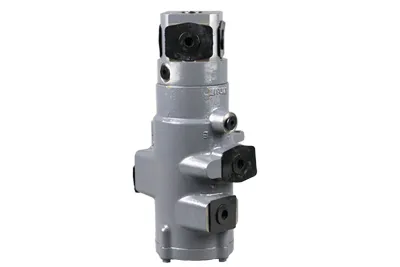
If you're in the market for a rotary union, whether it's a Multi Passage Rotary Union, a Pneumatic Rotary Joint, or a Rotating Pipe Joint, you can count on us to provide you with a high - quality product. We take quality control seriously, and we're committed to meeting your needs.
If you're interested in learning more or have a specific requirement, don't hesitate to reach out. We're always happy to have a chat and discuss how we can help you with your rotary union needs. Let's start a conversation and see how we can work together to get you the perfect rotary union for your application.
References
- Industry standards and guidelines for rotary union manufacturing
- Internal company records and quality control documentation