

What is the sealing mechanism of a rotary joint elbow?
Oct 24, 2025
Hey there! As a supplier of rotary joint elbows, I often get asked about the sealing mechanism of these nifty little devices. So, I thought I'd take a moment to break it down for you in a way that's easy to understand.
First off, let's talk about what a rotary joint elbow is. It's a crucial component in many industrial applications, allowing for the transfer of fluids (like water, oil, or steam) between a stationary and a rotating part. Think of it like a flexible connector that keeps things flowing smoothly, even when there's movement involved.
Now, onto the main event: the sealing mechanism. The primary goal of the sealing system in a rotary joint elbow is to prevent any leakage of the fluid being transferred. This is super important for a few reasons. For one, it ensures the efficiency of the system. If there's a leak, you're losing valuable fluid, which can lead to increased costs and decreased performance. Plus, in some cases, leaked fluids can be hazardous to the environment or even pose a safety risk to workers.
There are several types of seals commonly used in rotary joint elbows, and each has its own unique way of getting the job done.
Mechanical Seals
Mechanical seals are probably the most well - known type. They work by creating a tight seal between two flat surfaces that are in contact with each other. One of these surfaces is stationary, and the other rotates with the joint. The seal is maintained by a combination of spring pressure and the fluid pressure itself.
The spring in a mechanical seal helps to keep the two surfaces pressed together, even when there are minor variations in the operating conditions. Meanwhile, the fluid pressure acts as an additional force that helps to keep the seal tight. This type of seal is great for high - pressure applications because it can withstand a lot of force without breaking the seal.
However, mechanical seals do require some maintenance. Over time, the surfaces can wear down, which can lead to leakage. That's why it's important to regularly inspect and replace these seals as needed. You can find more information about different types of seals at Rotary Joint Seals.
Lip Seals
Lip seals are another common option. These seals have a flexible lip that presses against the rotating shaft. The lip is designed to follow the contours of the shaft, creating a seal that prevents fluid from leaking out.
Lip seals are relatively inexpensive and easy to install. They're also good at handling small amounts of contamination in the fluid. However, they're not as suitable for high - pressure applications as mechanical seals. The flexible lip can get damaged if the pressure is too high, which can cause leakage.
O - Rings
O - rings are simple yet effective seals. They're made of a circular rubber or elastomer material that fits into a groove. When the rotary joint elbow is assembled, the O - ring gets compressed, creating a seal between the different parts.
O - rings are great for low - to medium - pressure applications. They're also resistant to a wide range of chemicals, which makes them suitable for use with different types of fluids. But like lip seals, they may not be the best choice for extremely high - pressure situations.
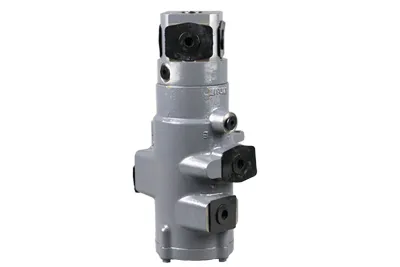

Factors Affecting the Sealing Mechanism
There are a few factors that can have a big impact on how well the sealing mechanism in a rotary joint elbow works.
Fluid Properties: The type of fluid being transferred matters a lot. Some fluids are more viscous than others, which can affect how easily they can leak. For example, a thick oil may be less likely to leak than a thin water - based fluid. Also, some fluids can be corrosive, which can damage the seals over time.
Operating Conditions: The temperature and pressure of the system are crucial. High temperatures can cause the seals to expand or contract, which can break the seal. Similarly, high pressures can put a lot of stress on the seals, making them more likely to fail.
Shaft Speed: The speed at which the shaft rotates can also affect the sealing mechanism. If the shaft is rotating too fast, it can cause excessive wear on the seals, leading to leakage.
Advanced Sealing Technologies
In recent years, there have been some really cool advancements in sealing technology for rotary joint elbows. For example, some manufacturers are now using composite materials for seals. These materials combine the best properties of different substances, like the strength of metal and the flexibility of rubber.
Another innovation is the use of self - lubricating seals. These seals have a built - in lubricant that helps to reduce friction and wear, which can extend the life of the seal.
Our Offerings as a Supplier
As a supplier of rotary joint elbows, we understand the importance of a reliable sealing mechanism. That's why we offer a wide range of products that are designed to meet different needs.
We have Multi Passage Rotary Union options that allow for the transfer of multiple fluids simultaneously. These unions are equipped with high - quality seals that can handle the demands of complex systems.
Our Dual Flow Rotary Joints are also a popular choice. They're designed for applications where there's a need to transfer fluid in two different directions. And of course, the sealing mechanisms in these joints are top - notch to ensure leak - free operation.
We work closely with our customers to understand their specific requirements. Whether you need a rotary joint elbow for a high - pressure steam system or a low - pressure water application, we can help you find the right solution.
Conclusion
The sealing mechanism of a rotary joint elbow is a complex but essential part of its operation. By understanding how different types of seals work and the factors that can affect them, you can make more informed decisions when it comes to choosing the right rotary joint elbow for your application.
If you're in the market for a rotary joint elbow or have any questions about our products, don't hesitate to reach out. We're here to help you get the best sealing solution for your needs. Let's start a conversation about how we can work together to improve your system's performance.
References
- Industrial Sealing Handbook, various authors
- Journal of Fluid Transfer Technology, multiple issues