

What types of rotary union seals are there?
Oct 29, 2025
Hey there! As a supplier of rotary union seals, I've had the chance to dive deep into the world of these nifty little components. Rotary union seals are super important in a bunch of industries, from manufacturing to automotive. They help transfer fluids, gases, or electricity between stationary and rotating parts. In this blog, I'm gonna break down the different types of rotary union seals out there.
Mechanical Seals
Mechanical seals are one of the most common types of rotary union seals. They work by creating a tight seal between two flat surfaces, usually a rotating and a stationary one. These seals are great because they can handle high pressures and speeds. They're often used in pumps, compressors, and other equipment where you need to prevent leakage.
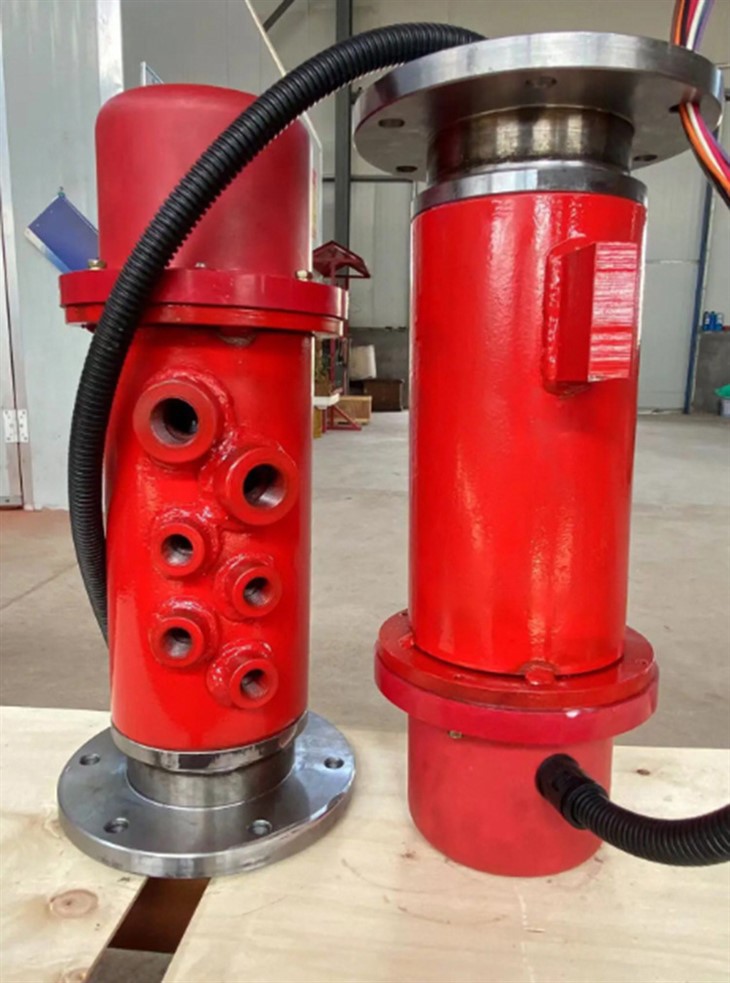

The way mechanical seals work is pretty cool. They have two main parts: a rotating seal face and a stationary seal face. These faces are pressed together by a spring or some other kind of force. When the equipment is running, the rotating face spins against the stationary face, creating a seal that keeps the fluid or gas from leaking out.
One of the advantages of mechanical seals is that they're very reliable. They can last a long time if they're properly installed and maintained. However, they can be a bit expensive to replace if they do wear out. Also, they need to be carefully aligned to work correctly, so installation can be a bit tricky.
Lip Seals
Lip seals are another popular type of rotary union seal. They're made of a flexible material, like rubber or elastomer, and they have a lip that presses against the rotating shaft. This lip creates a seal that keeps the fluid or gas from leaking out.
Lip seals are great because they're relatively inexpensive and easy to install. They can also handle a wide range of temperatures and pressures. They're often used in applications where you need a simple, cost-effective seal, like in small pumps or motors.
One of the drawbacks of lip seals is that they can wear out over time. The lip can get damaged or worn down, which can cause leakage. Also, they're not as effective at high speeds as mechanical seals. But for many applications, they're a great choice.
Packing Seals
Packing seals are a type of seal that uses a packing material, like graphite or asbestos, to create a seal around the rotating shaft. The packing material is compressed around the shaft, creating a tight seal that keeps the fluid or gas from leaking out.
Packing seals are great because they're very versatile. They can handle a wide range of temperatures, pressures, and shaft speeds. They're also relatively inexpensive and easy to install. They're often used in applications where you need a seal that can handle harsh conditions, like in chemical processing or mining.
However, packing seals do have some drawbacks. They can be a bit messy, because the packing material can wear down and create dust. They also need to be regularly adjusted to maintain a good seal. And they're not as effective at preventing leakage as mechanical or lip seals.
Magnetic Seals
Magnetic seals are a newer type of rotary union seal. They use a magnetic field to create a seal between the rotating and stationary parts. This magnetic field keeps the fluid or gas from leaking out.
Magnetic seals are great because they're very reliable and efficient. They can handle high speeds and pressures, and they don't require any lubrication. They're also very durable, and they can last a long time without needing to be replaced.
However, magnetic seals can be a bit expensive. They also require a special design, so they may not be suitable for all applications. But for some applications, like in high-speed motors or pumps, they're a great choice.
Electrical Rotary Joint
If you're dealing with the transfer of electricity between stationary and rotating parts, you might be interested in an Electrical Rotary Joint. These joints are designed to provide a reliable electrical connection while allowing for rotation. They're often used in applications like robotics, automation, and aerospace.
Electrical rotary joints come in different configurations, depending on the number of circuits and the type of electrical signals they need to transfer. They can handle a wide range of voltages and currents, and they're designed to be very reliable and durable.
Mono Flow Rotary Joints
Mono Flow Rotary Joints are designed for applications where you need to transfer a single fluid or gas in one direction. They're often used in applications like hydraulic systems, pneumatic systems, and cooling systems.
These joints are simple and efficient, and they can handle a wide range of pressures and temperatures. They're also relatively inexpensive and easy to install.
Rotary Pressure Joint
A Rotary Pressure Joint is used in applications where you need to transfer a fluid or gas under pressure between stationary and rotating parts. These joints are designed to handle high pressures and can be used in a variety of industries, like oil and gas, manufacturing, and automotive.
Rotary pressure joints are built to be very strong and durable. They can withstand the forces and stresses associated with high-pressure applications, and they're designed to prevent leakage.
So, there you have it! Those are some of the main types of rotary union seals out there. Each type has its own advantages and disadvantages, so it's important to choose the right one for your application. If you're not sure which type of seal is best for you, don't hesitate to reach out. We're here to help you find the perfect seal for your needs. Whether you're in the manufacturing industry, the automotive sector, or any other field that requires reliable rotary union seals, we've got you covered.
If you're interested in learning more about our rotary union seals or if you're ready to make a purchase, just get in touch. We can provide you with more information, answer any questions you might have, and help you get the right seals for your application. Let's work together to find the best solution for your sealing needs!
References
- "Sealing Technology Handbook" by John Neale
- "Rotary Union Design and Application" by various industry experts