


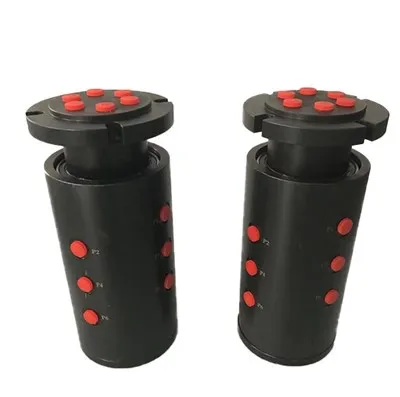
Rotary Air Joint
Proper utilization of compressed air swivel joints is crucial for ensuring seamless fluid transfer and maximizing the service life of these essential components.
Rotary Air Joint
Proper utilization of compressed air swivel joints is crucial for ensuring seamless fluid transfer and maximizing the service life of these essential components. This comprehensive guide outlines the key steps involved in correctly installing, operating, and maintaining air swivel joints to guarantee optimal performance and longevity.
1. Thorough Pre-Installation Inspection
Prior to installation, carefully examine the air swivel joint for any signs of damage or defects that may have occurred during transportation or storage. Check that all mating surfaces, threads, and seals are intact and free from debris. Confirm compatibility with the intended application, verifying pressure ratings, flow capacities, and rotational requirements match system specifications.
2. Secure Mounting
Install the swivel joint onto the fixed piping or equipment using appropriate mounting hardware, ensuring a snug fit without overtightening, which could cause deformation or seal damage. Use gaskets, O-rings, or thread sealants as recommended by the manufacturer to prevent leaks at connection points.
3. Correct Hose/Tube Attachment
Attach the flexible hose or tube to the rotating side of the swivel joint, again following manufacturer guidelines for clamping, crimping, or flange assembly. Ensure the hose/tube is properly aligned, without kinking or excessive strain, and that it can freely rotate within its designed range without interference.
4. System Purging and Pressure Testing
Prior to commissioning, purge the system to remove any foreign particles or moisture that could damage the swivel joint or impair system performance. Once purged, conduct a pressure test at 1.5 times the maximum working pressure for a specified duration, as per industry standards or manufacturer recommendations, to verify the integrity of all connections and seals.
5. Operational Monitoring
During operation, periodically monitor the swivel joint for any unusual noises, vibrations, or temperature increases, which may indicate issues such as misalignment, excessive torque, or internal component wear. Regularly assess the integrity of the seals and bearings, looking for signs of leakage, scoring, or excessive wear.
6. Routine Maintenance
Implement a regular maintenance schedule, including visual inspections, lubrication (if required), and cleaning of the swivel joint. Follow manufacturer guidelines for disassembly, inspection, and reassembly procedures, replacing worn or damaged parts as needed. Lubrication, if applicable, should be performed using the recommended lubricant and in accordance with the prescribed interval and method.
7. Shutdown and Storage
When temporarily or permanently discontinuing use, isolate the swivel joint from the system, drain any residual fluid, and clean it thoroughly to remove contaminants. Store it in a dry, protected environment away from direct sunlight, extreme temperatures, and corrosive substances. If prolonged storage is anticipated, consider applying a protective coating or preservative as recommended by the manufacturer.
By adhering to these guidelines for the use of compressed air swivel joints, users can ensure safe, efficient, and reliable operation, prolonging the service life of these critical components and minimizing the risk of costly downtime and repairs.
Hot Tags: rotary air joint, China rotary air joint manufacturers, factory, rotary joint for fins in pneumatic systems, rotary joint for greasing in pneumatic systems, multi passage rotary joint, rotary joint for couplings in pneumatic systems, rotary joint for manual controlled compressed air, rotary joint for drying compressed air



Send Inquiry
