

Can a steam rotary joint be used in chemical industry applications?
Jun 18, 2025
Can a steam rotary joint be used in chemical industry applications?
In the dynamic landscape of the chemical industry, the choice of equipment is critical to ensure efficient and safe operations. One such piece of equipment that often comes into question is the steam rotary joint. As a supplier of steam rotary joints, I am frequently asked about the feasibility of using these components in chemical industry applications. In this blog, I will explore the potential uses, benefits, and considerations of steam rotary joints in the chemical sector.
Understanding Steam Rotary Joints
Before delving into their applications in the chemical industry, it's essential to understand what steam rotary joints are. A steam rotary joint is a mechanical device that allows the transfer of steam from a stationary supply source to a rotating piece of equipment, such as a drum, roller, or agitator. It provides a reliable connection between the stationary and rotating parts, enabling the continuous flow of steam while maintaining a seal to prevent leaks.
Steam rotary joints are designed to handle high temperatures and pressures, making them suitable for a wide range of industrial applications. They come in various types and configurations, each tailored to specific requirements, such as the type of fluid (steam), the operating conditions (temperature, pressure), and the rotational speed of the equipment.
Applications in the Chemical Industry
The chemical industry encompasses a diverse range of processes, from mixing and blending to heating and drying. Steam rotary joints can play a crucial role in many of these processes, offering several benefits that make them a valuable addition to chemical plants.
Heating and Drying Processes
In chemical manufacturing, heating and drying are common operations used to remove moisture from products or to initiate chemical reactions. Steam is a widely used heat transfer medium due to its high latent heat and ability to provide uniform heating. Steam rotary joints are used to supply steam to rotating dryers, such as drum dryers or paddle dryers, allowing for efficient and continuous heating. By ensuring a reliable steam supply, these joints help to maintain consistent product quality and improve production efficiency.
Mixing and Agitation
Mixing and agitation are essential processes in the chemical industry to ensure homogeneous distribution of reactants and to promote chemical reactions. Steam rotary joints can be used to supply steam to rotating agitators or mixers, providing the necessary heat and energy for the mixing process. This is particularly useful in applications where the reaction requires precise temperature control, such as in the production of polymers or specialty chemicals.
Distillation and Separation
Distillation is a key process in the chemical industry for separating mixtures into their individual components based on their boiling points. Steam is often used as a heating medium in distillation columns to vaporize the components and facilitate their separation. Steam rotary joints can be used to supply steam to rotating distillation columns or trays, ensuring a uniform and efficient heat transfer process.
Benefits of Using Steam Rotary Joints in the Chemical Industry
The use of steam rotary joints in the chemical industry offers several benefits that contribute to improved process efficiency, product quality, and safety.
Efficient Heat Transfer
Steam rotary joints provide a direct and efficient way to transfer heat from the steam supply to the rotating equipment. By ensuring a continuous and uniform steam flow, they help to minimize heat losses and improve the overall energy efficiency of the process. This can result in significant cost savings for chemical plants, especially in applications where large amounts of steam are used.
Precise Temperature Control
In many chemical processes, precise temperature control is crucial to ensure the quality and consistency of the final product. Steam rotary joints allow for accurate regulation of the steam flow, enabling precise control of the temperature in the rotating equipment. This helps to prevent overheating or underheating, which can lead to product degradation or inefficient reactions.
Reliability and Durability
Chemical plants operate in harsh environments, with high temperatures, pressures, and corrosive chemicals. Steam rotary joints are designed to withstand these challenging conditions, offering reliable and long-lasting performance. They are typically made from high-quality materials, such as stainless steel or carbon steel, and are equipped with advanced sealing technologies to prevent leaks and ensure a tight connection.
Reduced Maintenance
The use of steam rotary joints can help to reduce maintenance requirements in chemical plants. By providing a reliable and efficient steam transfer solution, they minimize the need for frequent repairs and replacements, resulting in less downtime and lower maintenance costs. Additionally, many steam rotary joints are designed for easy installation and maintenance, making them a convenient choice for chemical plant operators.
Considerations for Using Steam Rotary Joints in the Chemical Industry
While steam rotary joints offer many benefits in the chemical industry, there are also some considerations that need to be taken into account to ensure their proper use and performance.
Chemical Compatibility
The chemical industry involves the handling of a wide range of chemicals, some of which may be corrosive or reactive. It is essential to select steam rotary joints that are compatible with the chemicals used in the process to prevent corrosion and damage to the equipment. This may require the use of special materials or coatings to protect the joint from chemical attack.
Operating Conditions
The operating conditions in the chemical industry can be demanding, with high temperatures, pressures, and rotational speeds. It is important to choose steam rotary joints that are designed to handle these conditions to ensure reliable and safe operation. This may involve selecting joints with appropriate pressure ratings, temperature limits, and rotational speed capabilities.
Safety
Safety is a top priority in the chemical industry. Steam rotary joints should be installed and maintained in accordance with relevant safety standards and regulations to prevent accidents and ensure the well-being of workers. This may include the use of safety devices, such as pressure relief valves and temperature sensors, and the implementation of proper maintenance procedures.
Our Steam Rotary Joint Solutions
As a supplier of steam rotary joints, we offer a wide range of products designed to meet the specific needs of the chemical industry. Our High-Performance Steam Rotary Joint is engineered to provide reliable and efficient steam transfer in demanding applications. It features a robust design, advanced sealing technology, and high-quality materials to ensure long-lasting performance and minimal maintenance.
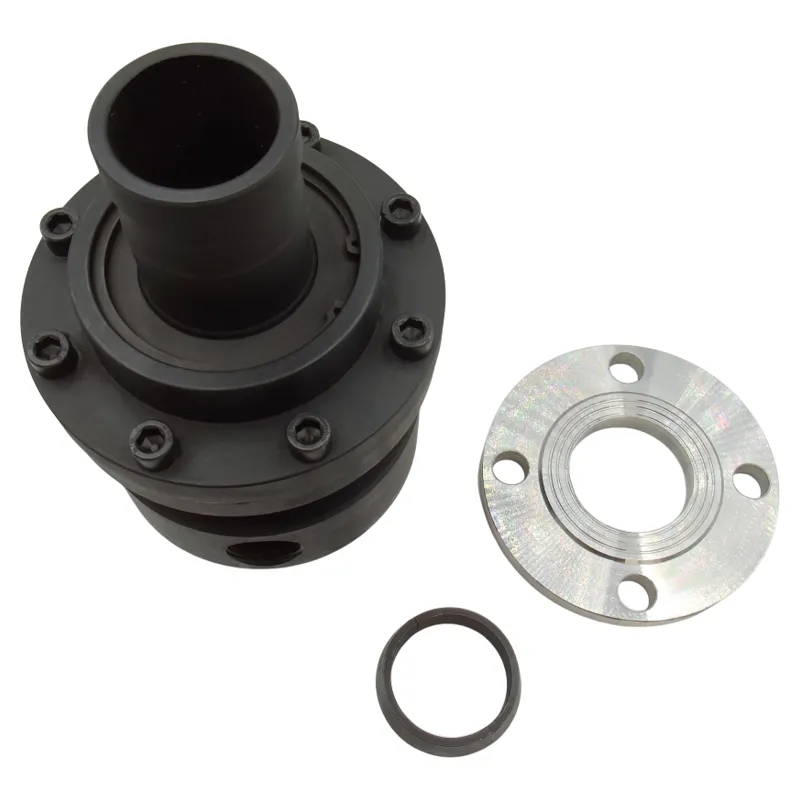

For applications that require the transfer of air or vacuum, our Air Vacuum Rotary Joint is an ideal solution. It is designed to handle a wide range of pressures and temperatures, making it suitable for use in chemical processes that involve air or vacuum systems.
In addition, our QD/QD-F Rotary Joint · High-Temp Fluid is specifically designed for high-temperature fluid applications, such as those found in the chemical industry. It offers excellent thermal stability and corrosion resistance, ensuring reliable performance in challenging environments.
Contact Us for Your Steam Rotary Joint Needs
If you are looking for a reliable steam rotary joint solution for your chemical industry application, we are here to help. Our team of experts has extensive experience in the chemical industry and can provide you with the technical support and guidance you need to select the right product for your specific requirements. Contact us today to discuss your project and explore how our steam rotary joints can enhance the efficiency and performance of your chemical processes.
References
- "Industrial Steam Systems: Design and Applications" by John C. Chapple
- "Chemical Engineering Handbook" by Perry and Green
- "Rotary Joints: Principles and Applications" by various industry sources