

What is the maximum load a steam rotary joint can carry?
Jun 19, 2025
As a leading supplier of steam rotary joints, I often encounter inquiries from customers about the maximum load these components can carry. Understanding the maximum load capacity of a steam rotary joint is crucial for ensuring its optimal performance, longevity, and safety in various industrial applications. In this blog post, I'll delve into the factors that determine the maximum load a steam rotary joint can handle and provide insights to help you make informed decisions when selecting the right product for your needs.
Factors Affecting the Maximum Load Capacity
The maximum load capacity of a steam rotary joint is influenced by several key factors, each of which plays a significant role in determining its performance under different operating conditions.
Design and Construction
The design and construction of a steam rotary joint are fundamental to its load - bearing capabilities. High - quality materials, such as stainless steel or other corrosion - resistant alloys, are commonly used to ensure durability and strength. The internal structure, including the sealing mechanism, bearing arrangement, and flow path design, also affects how well the joint can withstand mechanical and thermal loads.
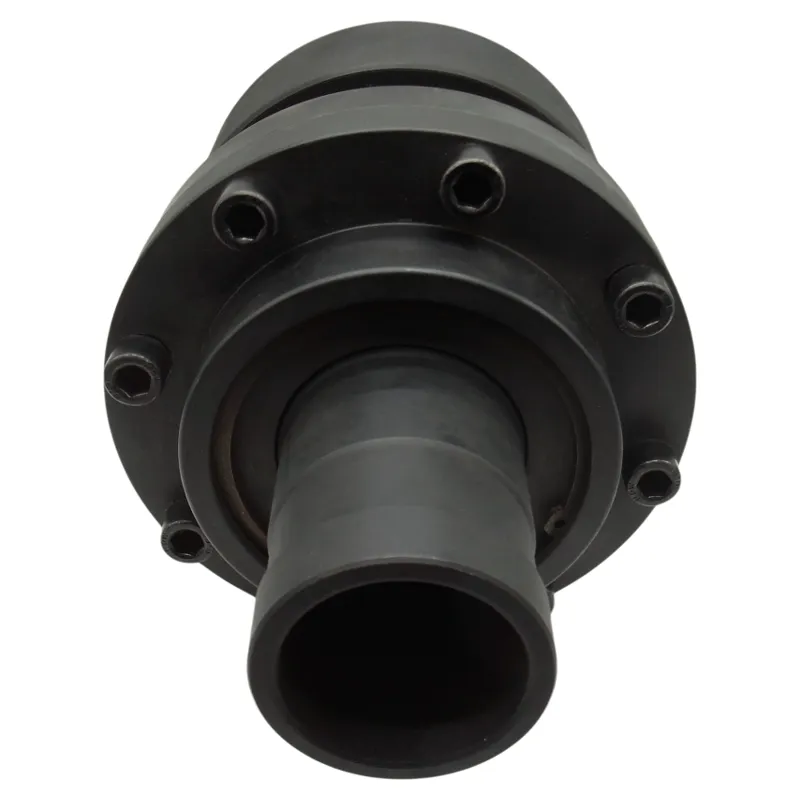

For example, a well - designed bearing system can distribute the load evenly, reducing stress concentrations and preventing premature wear. Our High - Performance Steam Rotary Joint features a precision - engineered bearing arrangement that enhances its load - carrying capacity and rotational stability.
Operating Pressure and Temperature
Steam rotary joints are designed to operate within specific pressure and temperature ranges. Higher operating pressures and temperatures increase the stress on the joint, which can limit its maximum load capacity. As the pressure and temperature rise, the material properties of the joint components may change, and the sealing performance may be affected.
It's essential to select a steam rotary joint that is rated for the specific pressure and temperature conditions of your application. Our Steam Rotary Joint QS - T40 - 20 is designed to handle high - pressure and high - temperature steam, making it suitable for demanding industrial environments.
Rotational Speed
The rotational speed of the steam rotary joint also impacts its load - carrying capacity. Higher rotational speeds can generate additional centrifugal forces, which can increase the stress on the joint components. In addition, rapid rotation can cause more wear on the seals and bearings, reducing the joint's overall performance and lifespan.
When choosing a steam rotary joint, it's important to consider the expected rotational speed of your equipment. Our QS - X Bidirectional Flow Rotary Joint (Rotating Inner Tube, Threaded Connection) is designed to operate at a wide range of rotational speeds, providing reliable performance even in high - speed applications.
Shaft Alignment
Proper shaft alignment is critical for the optimal performance of a steam rotary joint. Misaligned shafts can cause uneven loading on the joint, leading to premature wear, increased vibration, and potential failure. It's essential to ensure that the shaft is aligned correctly during installation and to monitor the alignment regularly during operation.
Calculating the Maximum Load Capacity
Determining the maximum load capacity of a steam rotary joint requires a comprehensive analysis of the factors mentioned above. While there is no one - size - fits - all formula for calculating the maximum load, manufacturers typically provide load - rating charts and technical specifications based on extensive testing and engineering analysis.
When evaluating a steam rotary joint for your application, it's important to consult the manufacturer's documentation and work with a qualified engineer to ensure that the joint is properly sized and rated for your specific requirements.
Real - World Applications
Steam rotary joints are used in a wide range of industrial applications, each with its own unique load requirements. Some common applications include:
Paper and Pulp Industry
In the paper and pulp industry, steam rotary joints are used to supply steam to rotating cylinders for drying and heating processes. These joints need to withstand high pressures, temperatures, and rotational speeds, as well as the mechanical forces associated with the papermaking process.
Food and Beverage Industry
In the food and beverage industry, steam rotary joints are used to transfer steam to mixing tanks, cookers, and other processing equipment. The joints need to be hygienic, corrosion - resistant, and capable of handling relatively low to medium pressures and temperatures.
Chemical and Petrochemical Industry
In the chemical and petrochemical industry, steam rotary joints are used in various processes, such as distillation, reaction vessels, and heat exchangers. These joints need to be able to handle aggressive chemicals, high pressures, and temperatures, as well as the potential for corrosion and erosion.
Importance of Choosing the Right Steam Rotary Joint
Selecting the right steam rotary joint for your application is crucial for ensuring the efficiency, reliability, and safety of your equipment. A joint that is not properly sized or rated for the load can lead to premature failure, increased maintenance costs, and potential safety hazards.
By working with a reputable supplier and carefully considering the factors that affect the maximum load capacity, you can choose a steam rotary joint that will provide long - term performance and value for your investment.
Conclusion
The maximum load a steam rotary joint can carry is determined by a combination of factors, including design and construction, operating pressure and temperature, rotational speed, and shaft alignment. Understanding these factors and working with a qualified supplier is essential for selecting the right steam rotary joint for your application.
At our company, we have a wide range of steam rotary joints to meet the diverse needs of our customers. Our products are designed and manufactured to the highest standards of quality and performance, and we are committed to providing excellent customer service and technical support.
If you are in the market for a steam rotary joint or have any questions about our products, please don't hesitate to contact us. Our team of experts is ready to assist you in finding the perfect solution for your application. We look forward to the opportunity to work with you and help you achieve your industrial goals.
References
- ASME Boiler and Pressure Vessel Code
- Manufacturer's technical documentation for steam rotary joints
- Industry standards and best practices for steam systems