

Can water rotary joints be used in hydraulic systems?
Aug 15, 2025
Can water rotary joints be used in hydraulic systems? That's a question I get asked a lot as a supplier of water rotary joints. In this blog, I'll share my thoughts on this topic, backed by my years of experience in the industry.
First off, let's quickly understand what water rotary joints and hydraulic systems are. A water rotary joint is a device that allows the transfer of water (or sometimes other fluids like steam) between a stationary and a rotating part. It's like a bridge that keeps the fluid flowing smoothly even when one part is moving. On the other hand, hydraulic systems use pressurized fluid to transmit power. They're commonly found in all sorts of machinery, from construction equipment to factory automation.
Now, the big question: Can water rotary joints be used in hydraulic systems? The short answer is yes, but there are some things to consider.
Compatibility of Fluids
One of the main factors is the fluid compatibility. Hydraulic systems typically use hydraulic oil as the working fluid because it has good lubricating properties and can handle high pressures. Water, on the other hand, has different properties. It doesn't lubricate as well as oil, and it can cause corrosion if not properly treated.
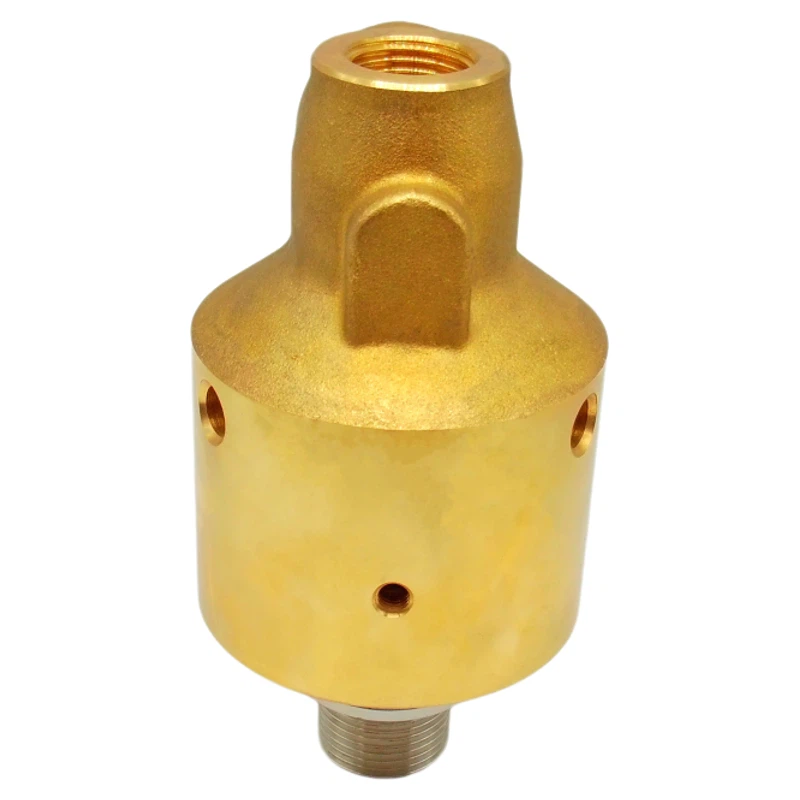
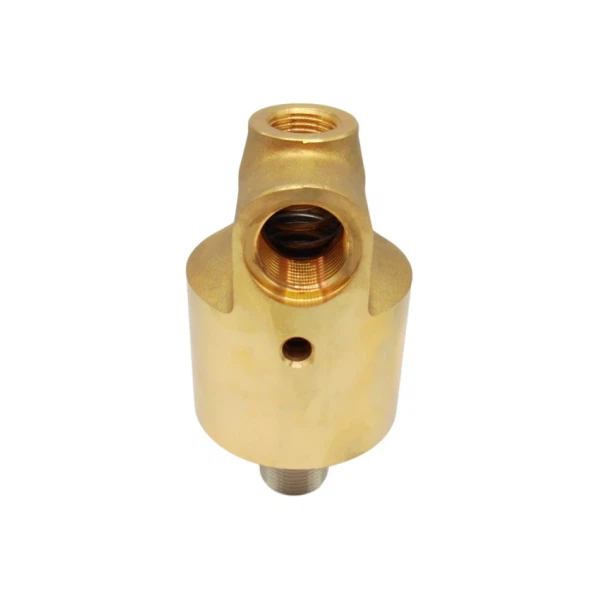
However, there are situations where water can be used in hydraulic systems. For example, in some food - processing or pharmaceutical applications, using oil is not an option due to contamination risks. In these cases, water rotary joints can be a great fit. They can transfer water, which is a clean and safe fluid for these industries. Our Water Rotary Joint is designed to handle water effectively, ensuring a smooth flow between stationary and rotating parts.
Pressure and Temperature Ratings
Hydraulic systems often operate at high pressures. Water rotary joints need to be able to withstand these pressures. When choosing a water rotary joint for a hydraulic system, you have to make sure it has the right pressure rating. Our RH019005372 Brass Water Steam Rotary Joint is built to handle a wide range of pressures, making it suitable for many hydraulic applications.
Temperature is another important factor. Hydraulic systems can generate a lot of heat, and the water rotary joint must be able to function properly at the operating temperature. Some water rotary joints are designed with special seals and materials that can handle high - temperature environments.
Sealing Performance
Good sealing is crucial in both water rotary joints and hydraulic systems. In a hydraulic system, any leakage can lead to a loss of power and efficiency. Water rotary joints need to have excellent sealing to prevent water from leaking out. Our joints are equipped with high - quality seals that are designed to provide a tight seal, even under high pressures and in demanding operating conditions.
Applications in Hydraulic Systems
Let's look at some real - world applications where water rotary joints can be used in hydraulic systems.
Manufacturing Industry
In manufacturing, there are many machines that use hydraulic systems. For example, in metal - forming processes, hydraulic presses are used to shape metal sheets. In some cases, especially in clean manufacturing environments, water - based hydraulic systems can be used. Water rotary joints can transfer water to the rotating parts of these presses, ensuring smooth operation.
Construction Equipment
Some construction equipment also uses hydraulic systems. In some small - scale or specialized construction machinery, water - based hydraulic systems can be a viable option. Water rotary joints can be used to connect the stationary and rotating parts of these machines, allowing for the efficient transfer of water.
Building Material Calendering
In the building material industry, calendering machines are used to process materials like rubber, plastic, and paper. Our Special Rotary Joint For Building Material Calendering - RTC Single - Channel Type can be used in the hydraulic systems of these calendering machines. It can transfer water to the rotating rollers, helping to control the temperature and ensure a high - quality finish of the building materials.
Advantages of Using Water Rotary Joints in Hydraulic Systems
There are several advantages to using water rotary joints in hydraulic systems.
Cost - Effective
Water is generally cheaper than hydraulic oil. Using water as the working fluid in a hydraulic system can significantly reduce the operating costs. And since water rotary joints are designed to handle water, they can be a cost - effective solution for many applications.
Environmentally Friendly
Water is a clean and renewable resource. Using water - based hydraulic systems with water rotary joints is more environmentally friendly compared to oil - based systems. It reduces the risk of oil spills and the associated environmental damage.
Easy Maintenance
Water rotary joints are often easier to maintain than joints designed for oil. Water doesn't leave behind sticky residues like oil, which can make cleaning and maintenance tasks simpler.
Challenges and Solutions
Of course, there are also some challenges when using water rotary joints in hydraulic systems.
Corrosion
As mentioned earlier, water can cause corrosion. To address this issue, we use corrosion - resistant materials in our water rotary joints. For example, some of our joints are made of brass or stainless steel, which are highly resistant to corrosion.
Lubrication
Since water doesn't lubricate as well as oil, we design our water rotary joints with special features to improve lubrication. Some joints have built - in lubrication channels or use self - lubricating materials to reduce friction and wear.
Conclusion
In conclusion, water rotary joints can definitely be used in hydraulic systems. With the right considerations for fluid compatibility, pressure and temperature ratings, and sealing performance, they can offer a cost - effective, environmentally friendly, and reliable solution. Whether you're in the manufacturing, construction, or building material industry, there are many applications where water rotary joints can be a great fit for your hydraulic systems.
If you're interested in learning more about our water rotary joints or have a specific application in mind, I'd love to hear from you. We can work together to find the best solution for your hydraulic system needs. Don't hesitate to reach out and start a conversation about your procurement requirements.
References
- "Hydraulic Systems Handbook" by John F. Dally
- "Fluid Power Technology" by John C. Schulz