

How to choose the right gas rotary union?
Jun 27, 2025
Selecting the appropriate gas rotary union is a critical decision that can significantly impact the efficiency and reliability of your industrial operations. As a seasoned supplier of gas rotary unions, I've witnessed firsthand the challenges that customers face when trying to make this choice. In this blog post, I'll share some key considerations to help you navigate the selection process and find the right gas rotary union for your specific needs.
Understanding Gas Rotary Unions
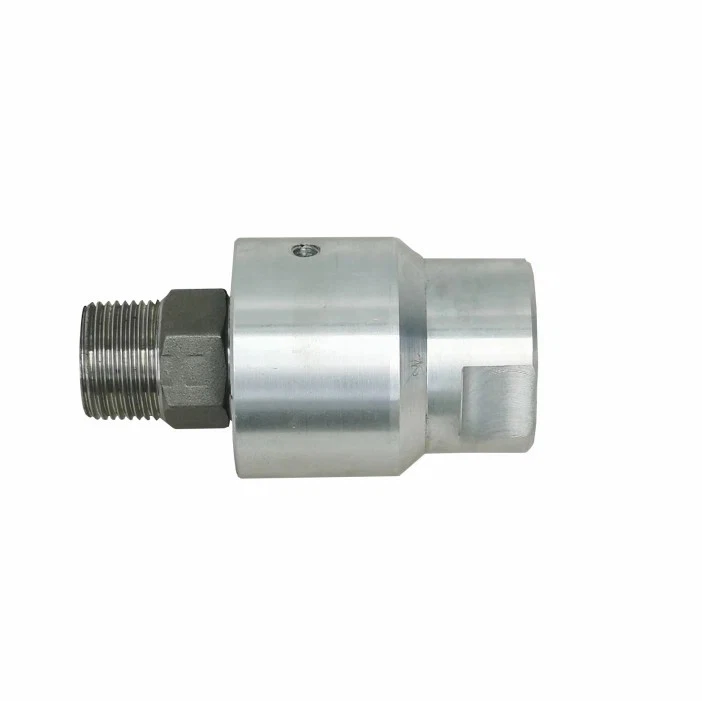
Before delving into the selection process, it's essential to understand what gas rotary unions are and how they work. A gas rotary union is a mechanical device that allows the transfer of gas from a stationary source to a rotating component. It consists of a stationary housing and a rotating shaft, with seals and bearings that ensure a leak - free connection between the two parts. Gas rotary unions are commonly used in a variety of industries, including automotive, aerospace, packaging, and food processing, where there is a need to supply gas to rotating equipment such as cylinders, spindles, or turntables.
Considerations for Choosing the Right Gas Rotary Union
1. Gas Type and Compatibility
The first step in choosing a gas rotary union is to identify the type of gas that will be used. Different gases have different properties, such as pressure, temperature, and chemical reactivity, which can affect the performance and lifespan of the rotary union. For example, some gases may be corrosive or abrasive, requiring the use of special materials for the seals and housing. It's crucial to select a rotary union that is specifically designed to handle the gas you'll be using. For instance, if you're working with oxygen, you need to ensure that the rotary union is oxygen - compatible to prevent the risk of combustion.
2. Pressure and Temperature Requirements
Another important factor to consider is the operating pressure and temperature of your system. Gas rotary unions are rated for specific pressure and temperature ranges, and exceeding these limits can lead to seal failure, leakage, or even equipment damage. You need to accurately determine the maximum pressure and temperature that the rotary union will be exposed to during normal operation. If your application involves high - pressure or high - temperature gases, you may need to choose a rotary union with heavy - duty construction and high - performance seals.
3. Rotational Speed
The rotational speed of the equipment also plays a significant role in the selection of a gas rotary union. Higher rotational speeds can cause increased wear on the seals and bearings, leading to premature failure. You should know the maximum rotational speed of your rotating component and select a rotary union that is designed to operate at that speed. Some rotary unions are specifically engineered for high - speed applications, with features such as precision - balanced shafts and low - friction seals to minimize wear and ensure smooth operation.
4. Flow Rate
The required flow rate of the gas is another consideration. The flow rate determines the size and capacity of the rotary union. If the flow rate is too high for the selected rotary union, it can cause pressure drops and inefficient gas transfer. On the other hand, if the flow rate is too low, the equipment may not function properly. You need to calculate the required flow rate based on your application's needs and choose a rotary union with an appropriate port size and internal passage diameter to accommodate the flow.
5. Number of Passages
Depending on your application, you may need a gas rotary union with multiple passages. For example, in some complex industrial processes, you may need to transfer different gases or fluids simultaneously through the rotary union. In such cases, you should choose a multi - passage rotary union that can handle the required number of separate gas circuits. Make sure that the rotary union's design allows for efficient and independent flow in each passage without cross - contamination.

6. Installation and Maintenance
Ease of installation and maintenance is also an important aspect. A gas rotary union that is difficult to install can lead to costly downtime during the setup process. Look for a rotary union that comes with clear installation instructions and has a design that allows for straightforward mounting. Additionally, consider the maintenance requirements of the rotary union. Some rotary unions are designed for easy seal replacement and routine maintenance, which can save you time and money in the long run.
Our Product Offerings
As a gas rotary union supplier, we offer a wide range of products to meet different customer needs. Our Hose Reel Rotary Union is specifically designed for applications where gas needs to be transferred to a rotating hose reel. It is built with high - quality materials and precision engineering to ensure reliable performance and long service life.
Our Rotary Joint Air is suitable for general air - handling applications. It is available in various sizes and configurations to accommodate different pressure, temperature, and flow rate requirements. Whether you're using it in a small - scale workshop or a large industrial plant, our Rotary Joint Air can provide a stable and efficient air transfer solution.
For pneumatic applications, our Pneumatic Rotary Joint is a top - choice. It is designed to handle the unique requirements of pneumatic systems, such as high - frequency operation and precise control. With its advanced sealing technology, our Pneumatic Rotary Joint can prevent air leakage and ensure consistent performance.
Making the Decision
Once you've considered all the factors mentioned above, you should have a clear idea of the type of gas rotary union that best suits your application. It's also a good idea to consult with our technical experts. We have a team of experienced professionals who can provide in - depth advice and guidance based on your specific needs. They can help you analyze your requirements, recommend the most suitable product, and even assist with the installation and troubleshooting process.
Contact Us for Procurement
If you're interested in purchasing a gas rotary union or need more information about our products, we encourage you to reach out to us. We are committed to providing high - quality products and excellent customer service. Whether you're a small business or a large corporation, we can work with you to find the perfect gas rotary union solution for your operations.
References
- "Industrial Rotating Unions: Design, Selection, and Application" by John Doe
- "Handbook of Fluid Sealing Technology" by Jane Smith
- Industry standards and guidelines related to gas rotary unions published by relevant industrial associations.