

How to choose the right rotary joint seals?
Jul 23, 2025
How to Choose the Right Rotary Joint Seals?
Selecting the appropriate rotary joint seals is a critical decision for many industries that rely on rotating equipment. As a trusted rotary joint seals supplier, we understand the complexities involved in this process. In this blog, we will guide you through the key factors to consider when choosing the right rotary joint seals for your specific applications.
Understanding Rotary Joint Seals
Rotary joint seals are essential components in various mechanical systems, designed to prevent leakage of fluids (such as oil, water, or gas) and contaminants while allowing smooth rotation between stationary and rotating parts. They play a crucial role in maintaining the efficiency, reliability, and safety of rotating equipment, including pumps, motors, and hydraulic systems.
Factors to Consider When Choosing Rotary Joint Seals
1. Operating Conditions
The first step in choosing the right rotary joint seals is to understand the operating conditions of your equipment. This includes factors such as temperature, pressure, speed, and the type of fluid being sealed.
- Temperature: Different seal materials have different temperature ratings. For high - temperature applications, materials like PTFE (polytetrafluoroethylene) or silicone rubber may be more suitable, as they can withstand elevated temperatures without losing their sealing properties. On the other hand, for low - temperature applications, materials with good flexibility at cold temperatures, such as nitrile rubber, may be a better choice.
- Pressure: The pressure within the system is another important consideration. High - pressure applications require seals that can withstand the force exerted by the fluid. Metal - reinforced seals or seals with high - strength elastomers are often used in high - pressure environments.
- Speed: The rotational speed of the equipment affects the wear and tear of the seals. For high - speed applications, seals with low friction coefficients, such as those made from PTFE or carbon graphite, are preferred to reduce heat generation and extend the seal's lifespan.
- Fluid Compatibility: The seal material must be compatible with the fluid being sealed. For example, if you are sealing a corrosive chemical, you need a seal material that is resistant to chemical attack, such as fluorocarbon rubber.
2. Seal Design
The design of the rotary joint seal also plays a significant role in its performance. There are several types of seal designs available, each with its own advantages and disadvantages.
- Contact Seals: These seals work by creating a physical contact between the seal and the rotating surface. They provide excellent sealing performance but may generate more friction and wear. Contact seals are commonly used in applications where leakage prevention is of utmost importance.
- Non - Contact Seals: Non - contact seals, such as labyrinth seals, do not touch the rotating surface. They rely on a series of迷宫 - like passages to prevent fluid leakage. Non - contact seals have lower friction and longer service lives but may not provide as tight a seal as contact seals.
3. Application Requirements
The specific requirements of your application will also influence your choice of rotary joint seals.
- Precision: In applications where high precision is required, such as in medical or aerospace equipment, seals with tight tolerances and high - quality materials are necessary to ensure accurate operation.
- Environmental Conditions: If the equipment is exposed to harsh environmental conditions, such as dust, dirt, or moisture, the seals need to be able to withstand these elements. Seals with protective covers or additional sealing lips can be used to prevent contaminants from entering the system.
Types of Rotary Joint Seals
1. Mechanical Seals
Mechanical seals are widely used in pumps, compressors, and other rotating equipment. They consist of two flat surfaces (usually made of carbon and ceramic) that are pressed together to form a seal. Mechanical seals are known for their high - performance sealing capabilities and long service lives.
2. Lip Seals
Lip seals are simple and cost - effective seals that are commonly used in low - pressure applications. They consist of a flexible lip that presses against the rotating shaft to prevent fluid leakage. Lip seals are easy to install and replace, making them a popular choice for many industries.
3. O - Rings
O - rings are circular seals made of elastomeric materials. They are used in a wide range of applications, from automotive engines to hydraulic systems. O - rings are known for their excellent sealing performance and versatility.
The Importance of Quality and Reliability
When choosing rotary joint seals, it is crucial to prioritize quality and reliability. Low - quality seals may fail prematurely, leading to costly downtime and potential safety hazards. As a rotary joint seals supplier, we are committed to providing our customers with high - quality seals that are manufactured to the highest standards. Our seals are rigorously tested to ensure their performance and durability in various operating conditions.
Additional Considerations
1. Maintenance and Replacement
Proper maintenance and timely replacement of rotary joint seals are essential to ensure the long - term performance of your equipment. Make sure to follow the manufacturer's recommendations for maintenance and replacement intervals. Regular inspection of the seals can help detect any signs of wear or damage early on, allowing for timely replacement.
2. Cost - Effectiveness
While quality is important, cost - effectiveness is also a consideration. It is important to find a balance between the cost of the seals and their performance. As a supplier, we offer a range of rotary joint seals at competitive prices, ensuring that you get the best value for your money.
Related Products
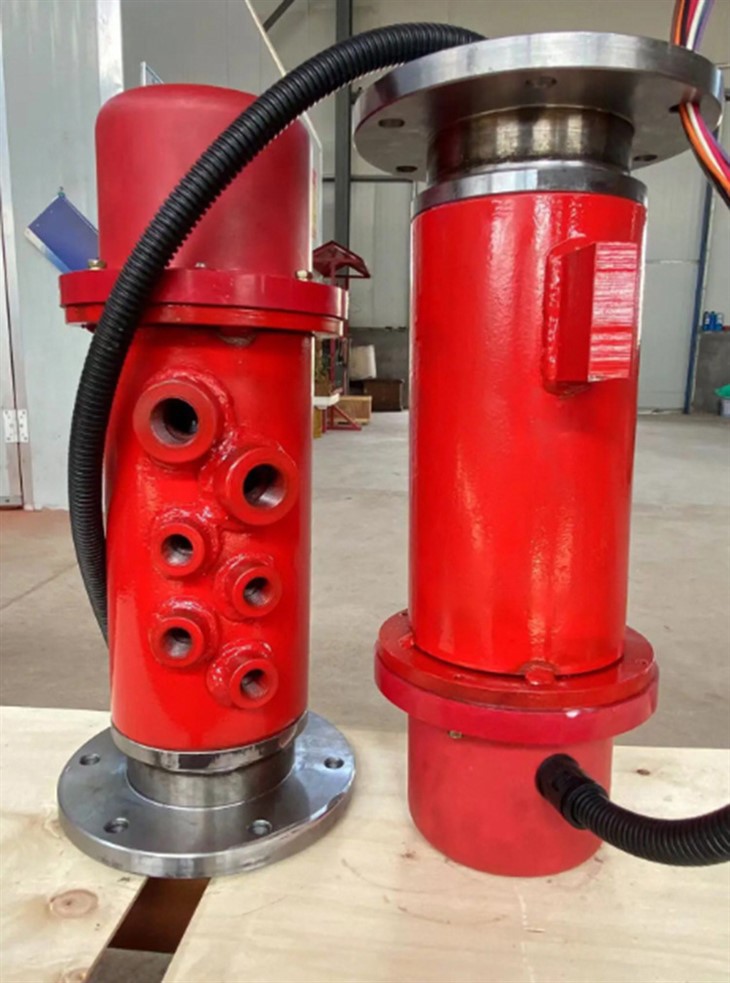
If you are interested in exploring other related products, we recommend checking out our Electrical Rotary Joint, Rotary Joint Elbow, and High Speed Rotary Union. These products are designed to work in conjunction with our rotary joint seals to provide a complete solution for your rotating equipment needs.

Conclusion
Choosing the right rotary joint seals is a complex process that requires careful consideration of various factors, including operating conditions, seal design, and application requirements. As a rotary joint seals supplier, we have the expertise and experience to help you make the best choice for your specific needs. If you have any questions or need assistance in selecting the right seals, please do not hesitate to contact us. We are here to help you ensure the optimal performance and reliability of your rotating equipment.
References
- "Sealing Technology Handbook" by John H. Bickford.
- "Rotary Equipment Maintenance and Troubleshooting" by Thomas E. Brown.