

What are the environmental protection features of steam rotary unions?
Jul 25, 2025
Hey there! I'm a supplier of steam rotary unions, and today I wanna chat about the environmental protection features of these nifty devices. Steam rotary unions are crucial components in many industrial processes, and they've got some pretty cool eco - friendly aspects that often go unnoticed.
First off, let's talk about energy efficiency. One of the main environmental benefits of steam rotary unions is their ability to optimize energy use. In industrial settings, steam is a major source of power, but if it's not transferred and utilized efficiently, a lot of energy can be wasted. Steam rotary unions are designed to ensure a smooth and continuous flow of steam from a stationary source to a rotating part. This means less energy is lost during the transfer process. For example, in a paper mill, a well - functioning steam rotary union can help maintain a consistent steam supply to the drying cylinders. When the steam flow is stable, the drying process becomes more efficient, and less steam is needed to achieve the same level of drying. This directly translates to lower energy consumption and a reduced carbon footprint.
Another important feature is the reduction of steam leakage. Leaky steam systems are not only a waste of energy but can also be a safety hazard. Steam rotary unions are engineered with high - quality seals and precision - made components to minimize steam leakage. The seals are designed to withstand high temperatures and pressures, ensuring a tight fit between the rotating and stationary parts. When there's less steam leakage, less steam is lost to the atmosphere. This not only saves energy but also reduces the amount of water that needs to be heated to generate steam. In industries where large amounts of steam are used, such as food processing or chemical manufacturing, even a small reduction in steam leakage can lead to significant energy savings and environmental benefits.
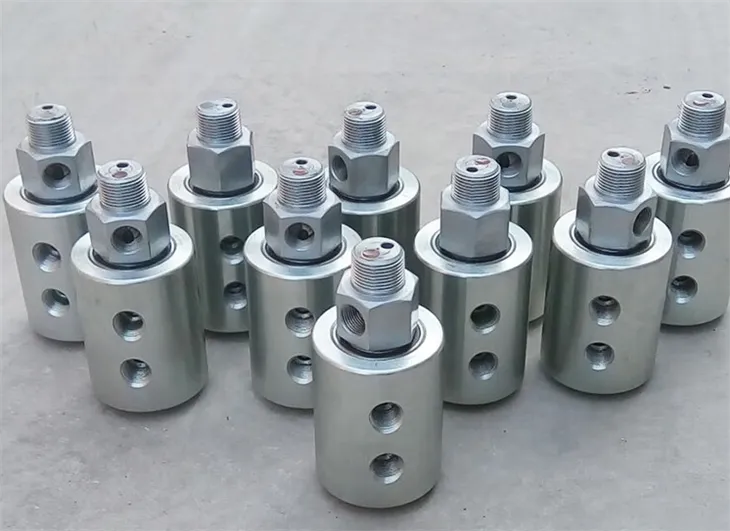

Now, let's touch on the durability of steam rotary unions. These devices are built to last. They're made from robust materials like stainless steel and high - grade alloys that can withstand harsh industrial environments. A long - lasting steam rotary union means fewer replacements, which in turn reduces the amount of waste generated. When a component has a longer lifespan, it also reduces the demand for raw materials used in manufacturing new parts. This is an important aspect of environmental protection as the extraction and processing of raw materials can have a significant impact on the environment.
In addition to energy efficiency, leakage reduction, and durability, steam rotary unions can also contribute to water conservation. As I mentioned earlier, less steam leakage means less water needs to be heated to produce steam. Water is a precious resource, and industries that use steam often consume large amounts of it. By using steam rotary unions to optimize steam use, these industries can reduce their water consumption. For example, in a textile factory, a properly functioning steam rotary union can help reduce the amount of water used in the dyeing and finishing processes, where steam is used for heating and setting the dyes.
Let's take a look at some of the specific types of steam rotary unions and how they contribute to environmental protection. The High Temperature Rotary Union is designed to handle high - temperature steam applications. Its advanced design and materials ensure that it can operate efficiently at extreme temperatures without significant energy loss. This type of rotary union is commonly used in industries like power generation and steel manufacturing, where high - temperature steam is required. By using a high - temperature rotary union, these industries can improve their energy efficiency and reduce their environmental impact.
The Dual Flow Rotary Union is another interesting option. It allows for the simultaneous flow of two different media, such as steam and water or steam and a cooling fluid. This design can be very useful in applications where heat transfer needs to be optimized. For example, in a heat exchanger system, a dual - flow rotary union can help transfer heat more efficiently, reducing the overall energy consumption of the system. And if you're interested in another perspective on dual - flow rotary unions, check out this Dual Flow Rotary Union page.
When it comes to the manufacturing process of steam rotary unions, many suppliers, including us, are also taking steps to be more environmentally friendly. We're using sustainable manufacturing practices, such as recycling and reusing materials, and reducing waste generation during the production process. This not only helps the environment but also makes our products more cost - effective in the long run.
In conclusion, steam rotary unions have a lot of environmental protection features that make them a great choice for industries looking to reduce their environmental impact. From energy efficiency and leakage reduction to durability and water conservation, these devices play an important role in creating a more sustainable industrial future.
If you're in the market for steam rotary unions and want to learn more about how our products can help your business be more environmentally friendly, we'd love to chat. Whether you're looking for a high - temperature rotary union or a dual - flow rotary union, we've got the expertise and the products to meet your needs. Reach out to us for a consultation and let's start making your industrial processes more eco - friendly together.
References:
- Industrial Steam Systems Best Practices Guide, U.S. Department of Energy
- Steam System Leakage: Detection and Repair, International Institute of Refrigeration