

How to test the air tightness of an air rotary joint?
Nov 13, 2025
As an air rotary joint supplier, I often get asked about how to test the air tightness of these crucial components. Air rotary joints are used in a variety of applications where the transfer of compressed air from a stationary source to a rotating part is required. Ensuring their air tightness is essential for the efficient and safe operation of the equipment they're installed in. In this blog, I'll walk you through the steps and methods to test the air tightness of an Air Rotary Joint.
Why Test Air Tightness?
Before we dive into the testing methods, let's quickly talk about why it's so important to test the air tightness of an air rotary joint. A leaky joint can lead to a whole bunch of problems. For starters, it can cause a loss of pressure in the system, which means the equipment might not work as efficiently as it should. This can result in increased energy consumption, as the system has to work harder to maintain the required pressure.
Moreover, air leaks can also lead to safety issues. In some industrial applications, compressed air can be under high pressure, and a leak can cause sudden releases of air, which can be dangerous for workers in the vicinity. Additionally, leaks can introduce contaminants into the system, which can damage other components and reduce the overall lifespan of the equipment.
Pre - testing Preparations
Before you start testing the air tightness of an air rotary joint, there are a few things you need to do. First, make sure the joint is properly installed. Check that all the connections are tight and that the joint is aligned correctly. Any loose connections or misalignments can cause false readings during the test.
Next, clean the joint thoroughly. Dirt, debris, or old lubricants can interfere with the test results. Use a clean cloth and a suitable cleaning agent to remove any contaminants from the surface of the joint.
You'll also need to gather the necessary testing equipment. The most common tools for testing air tightness are a pressure gauge, a pressure source (such as an air compressor), and a soapy water solution. Some more advanced testing methods might require specialized equipment, like a leak detector.
Visual Inspection
The first step in testing the air tightness of an air rotary joint is a visual inspection. This is a simple but important step that can help you identify any obvious signs of damage or leaks. Look for cracks, scratches, or worn - out seals on the joint. Pay special attention to the areas around the seals and the connection points.
If you notice any visible damage, it's likely that the joint has a leak. In this case, you might need to replace the damaged parts before proceeding with further testing. However, keep in mind that not all leaks are visible, so a visual inspection alone is not enough to determine the air tightness of the joint.
Pressure Testing
One of the most common methods for testing the air tightness of an air rotary joint is pressure testing. Here's how you can do it:
- Connect the Pressure Source: Use a suitable hose to connect the air rotary joint to an air compressor or another pressure source. Make sure the connection is tight to prevent any leaks at the connection point.
- Install a Pressure Gauge: Attach a pressure gauge to the joint or the pressure line. This will allow you to monitor the pressure during the test.
- Build Up Pressure: Slowly increase the pressure in the system to the recommended operating pressure of the joint. Refer to the manufacturer's specifications for the correct pressure setting.
- Monitor the Pressure: Once the pressure has reached the desired level, turn off the pressure source and observe the pressure gauge for a period of time. If the pressure drops significantly over time, it indicates that there is a leak in the joint.
The rate of pressure drop can give you an idea of the severity of the leak. A small, gradual drop in pressure might indicate a minor leak, while a rapid drop could mean a major leak.
Soapy Water Test
Another simple and effective way to test for air leaks is the soapy water test. This method is especially useful for detecting small leaks that might not be detected by pressure testing alone.
- Prepare the Soapy Water Solution: Mix a small amount of liquid soap with water in a spray bottle. You want the solution to be soapy enough to form bubbles, but not too thick.
- Apply the Solution: Spray the soapy water solution onto the surface of the air rotary joint, paying close attention to the seals, connection points, and any areas where you suspect a leak.
- Look for Bubbles: If there is a leak in the joint, the escaping air will cause bubbles to form in the soapy water. The size and location of the bubbles can give you an idea of the size and location of the leak.
This method is quick and easy, but it might not be suitable for all applications. For example, in some industrial settings, the soapy water solution might not be allowed due to contamination concerns.
Using a Leak Detector
For more accurate and sensitive leak detection, you can use a leak detector. There are different types of leak detectors available, such as ultrasonic leak detectors and helium leak detectors.
Ultrasonic leak detectors work by detecting the high - frequency sound waves produced by air leaks. These detectors are non - invasive and can be used to quickly scan large areas for leaks. Helium leak detectors, on the other hand, are more sensitive and can detect very small leaks. They work by introducing helium gas into the system and then using a detector to sense the presence of helium outside the system.
Using a leak detector requires some training and specialized equipment, but it can provide more accurate results, especially for high - precision applications.
Testing the GC003S Air Rotary Joint
The GC003S Air Rotary Joint is a popular model in our product line. When testing this joint, the same basic principles apply. However, make sure to follow the specific testing procedures recommended by the manufacturer.
This joint might have unique features or requirements, so it's important to refer to the product manual for detailed instructions. For example, the recommended pressure for testing the GC003S might be different from other models, and the location of the seals and connection points might also vary.
Post - testing Actions
Once you've completed the air tightness test, you need to take appropriate actions based on the results. If the joint passes the test, it's ready to be used in the system. However, if you detect a leak, you'll need to repair or replace the joint.

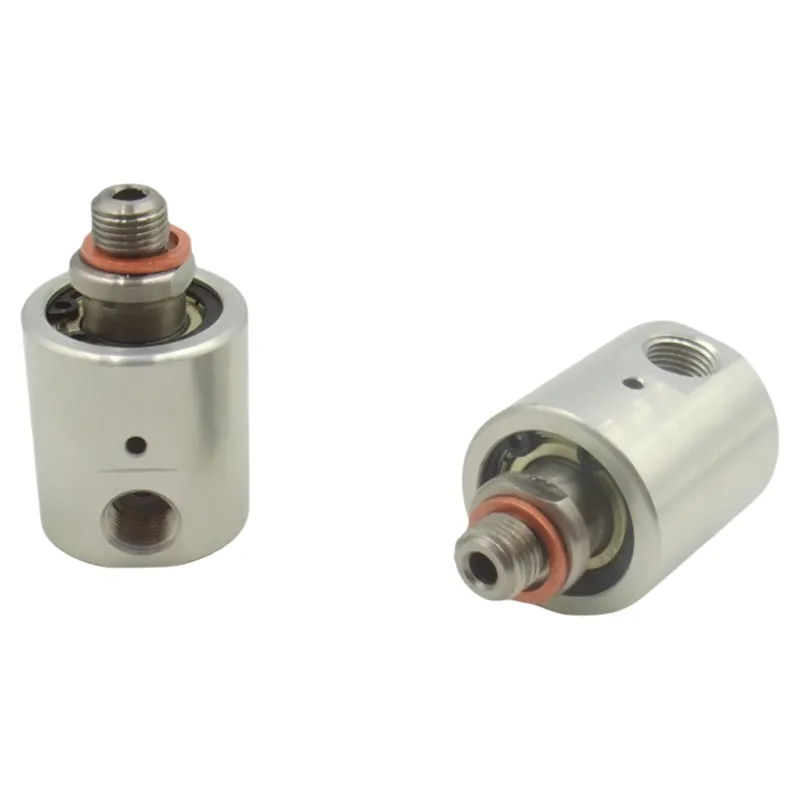
For minor leaks, you might be able to fix the problem by tightening the connections or replacing the seals. For more severe leaks, you might need to replace the entire joint.
Conclusion
Testing the air tightness of an air rotary joint is an important part of ensuring the efficient and safe operation of your equipment. By following the methods outlined in this blog, you can quickly and accurately determine if a joint has a leak.
If you're in the market for a high - quality Rotary Air Joint, we're here to help. We offer a wide range of air rotary joints that are designed to meet the needs of various industrial applications. Whether you need a standard joint or a custom - made solution, we can provide you with the right product.
If you have any questions about our products or need assistance with air tightness testing, don't hesitate to reach out to us. We're always happy to help you make the right choice for your equipment. Contact us today to start the procurement process and ensure your systems run smoothly.
References
- Industrial Pneumatic Systems Handbook
- Air Rotary Joint Manufacturer's Manuals