

What is the monitoring method for the operation of a rotary joint steam?
Dec 30, 2025
As a supplier of rotary joint steam products, I understand the critical importance of effective monitoring methods for the operation of rotary joint steam systems. In this blog post, I will delve into the various monitoring methods that can be employed to ensure the smooth and efficient operation of these systems, which are widely used in industries such as manufacturing, food processing, and energy production.
1. Temperature Monitoring
Temperature is a key parameter when it comes to the operation of a rotary joint steam system. Monitoring the temperature at different points in the system can provide valuable insights into its performance and help detect potential issues early on.
-
Thermocouples: Thermocouples are commonly used for temperature monitoring in rotary joint steam systems. They are relatively inexpensive, easy to install, and can provide accurate temperature measurements over a wide range of temperatures. Thermocouples can be placed at strategic locations such as the inlet and outlet of the rotary joint, as well as on the steam pipes, to monitor the temperature changes.
-
Infrared Thermometers: Infrared thermometers offer a non - contact method of temperature measurement. They are useful for quickly checking the surface temperature of the rotary joint and other components without having to shut down the system. This can be particularly helpful for identifying hot spots or abnormal temperature variations that may indicate problems such as friction, blockages, or insulation issues.
2. Pressure Monitoring
Pressure is another crucial factor in the operation of a rotary joint steam system. Maintaining the correct pressure is essential for ensuring the proper flow of steam and preventing damage to the system.
-
Pressure Gauges: Pressure gauges are the most basic and commonly used device for pressure monitoring. They can be installed at various points in the system, such as the steam inlet and outlet of the rotary joint, to provide a visual indication of the pressure. Regularly checking the pressure gauges can help operators detect any sudden changes in pressure, which may be a sign of a leak, blockage, or malfunction in the system.
-
Pressure Transmitters: Pressure transmitters are more advanced than pressure gauges as they can convert the pressure readings into electrical signals. These signals can then be sent to a control system or data logger for further analysis. Pressure transmitters are often used in automated systems where continuous and accurate pressure monitoring is required.
3. Flow Rate Monitoring
Monitoring the flow rate of steam in the rotary joint system is important for optimizing its performance and ensuring that the right amount of steam is being delivered to the process.
- Flow Meters: There are several types of flow meters available for steam flow measurement, including orifice plate flow meters, turbine flow meters, and ultrasonic flow meters. Orifice plate flow meters work by creating a pressure drop across an orifice plate, and the flow rate is calculated based on the pressure difference. Turbine flow meters use a rotating turbine to measure the flow rate, while ultrasonic flow meters use ultrasonic waves to measure the velocity of the steam.
4. Vibration Monitoring
Excessive vibration in a rotary joint steam system can be a sign of mechanical problems such as misalignment, worn bearings, or loose components. Monitoring the vibration levels can help prevent premature failure of the rotary joint and other system components.
- Vibration Sensors: Vibration sensors can be installed on the rotary joint and other critical components to measure the vibration amplitude and frequency. By analyzing the vibration data, operators can identify any abnormal vibration patterns and take appropriate action, such as adjusting the alignment or replacing worn parts.
5. Leak Detection
Steam leaks in a rotary joint system can not only waste energy but also pose safety hazards. Therefore, it is essential to detect and repair leaks as soon as possible.
-
Visual Inspection: Regular visual inspections can help detect obvious steam leaks. Look for signs such as steam clouds, wet spots, or corrosion around the rotary joint and steam pipes.
-
Ultrasonic Leak Detectors: Ultrasonic leak detectors can detect the high - frequency sound waves produced by steam leaks. These detectors are highly sensitive and can detect even small leaks that may not be visible to the naked eye.
6. Wear and Tear Monitoring
The rotary joint is a critical component in the steam system, and its wear and tear can affect the overall performance of the system.
-
Inspection of Seals and Bearings: Regularly inspecting the seals and bearings of the rotary joint can help identify signs of wear. Worn seals can cause steam leaks, while worn bearings can lead to increased vibration and reduced efficiency. Replace the seals and bearings as soon as they show signs of excessive wear.
-
Lubrication Monitoring: Proper lubrication is essential for the smooth operation of the rotary joint. Monitoring the lubrication level and quality can help ensure that the bearings and other moving parts are well - lubricated. Check the lubrication system regularly and top up or change the lubricant as needed.
Importance of Monitoring
Effective monitoring of the rotary joint steam system operation offers several benefits. Firstly, it helps improve the reliability and safety of the system. By detecting potential issues early, operators can take preventive measures to avoid costly breakdowns and accidents. Secondly, it enhances energy efficiency. By optimizing the steam flow, pressure, and temperature, the system can operate more efficiently, reducing energy consumption and costs. Finally, it extends the lifespan of the equipment. Regular monitoring and maintenance can help identify and address wear and tear issues, ensuring that the rotary joint and other components last longer.

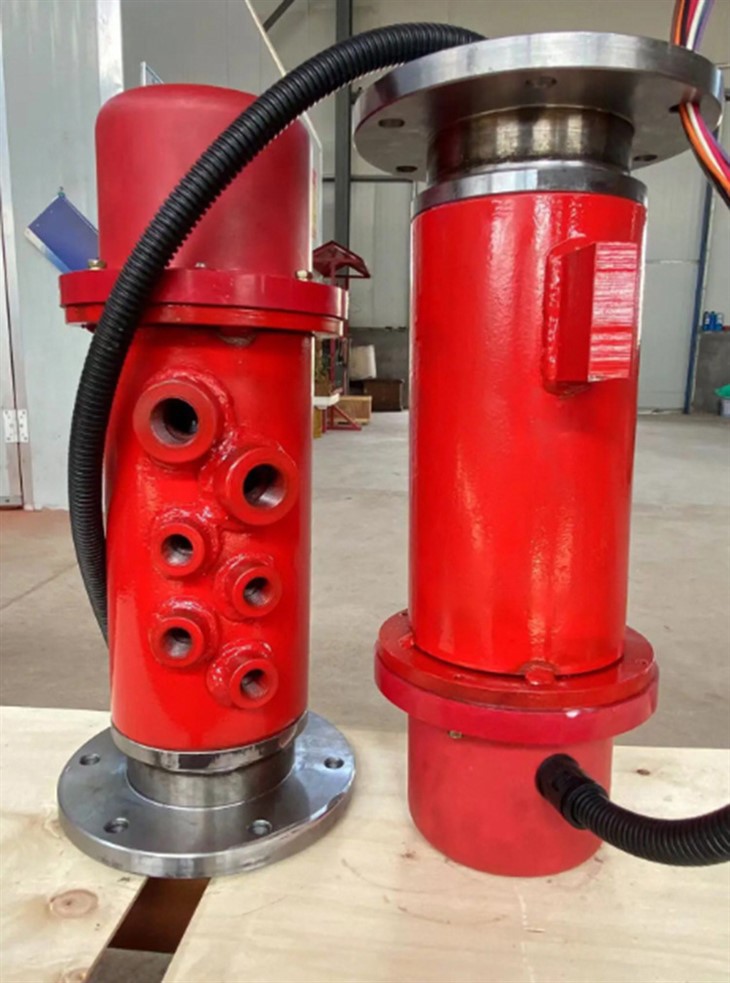
Related Products
As a supplier, we offer a wide range of products related to rotary joint steam systems. If you are interested in electrical rotary joints, you can visit Electrical Rotary Joint for more information. For rotary joint elbows, check out Rotary Joint Elbow. And if you need rotary joint unions, please visit Rotary Joint Union.
Conclusion
In conclusion, the operation of a rotary joint steam system requires careful monitoring of various parameters such as temperature, pressure, flow rate, vibration, and leakages. By implementing effective monitoring methods, operators can ensure the reliable, safe, and efficient operation of the system. As a leading supplier of rotary joint steam products, we are committed to providing high - quality products and technical support to our customers. If you are in need of rotary joint steam products or have any questions about system monitoring, please feel free to contact us for a purchase negotiation. We look forward to working with you to meet your industrial needs.
References
- "Steam System Optimization Handbook", Industrial Energy Technology Conference.
- "Rotary Joint Design and Application Guide", Manufacturer's Technical Documentation.
- "Monitoring and Control of Industrial Fluid Systems", Journal of Industrial Engineering.