


Difference Between Fixed Inner Tube Type and Rotating Inner Tube Type
May 27, 2025
Fixed Inner Tube Type

Advantages:
●Simple structure and low maintenance cost.
●High sealing reliability (primarily static seals), suitable for high-pressure, high-temperature, or corrosive fluids.
Disadvantages:
●Rotating components are external, requiring enhanced mechanical strength design.
●Not suitable for applications requiring inner tube rotation.
Typical Applications:
Calenders, paper machines, dryers.
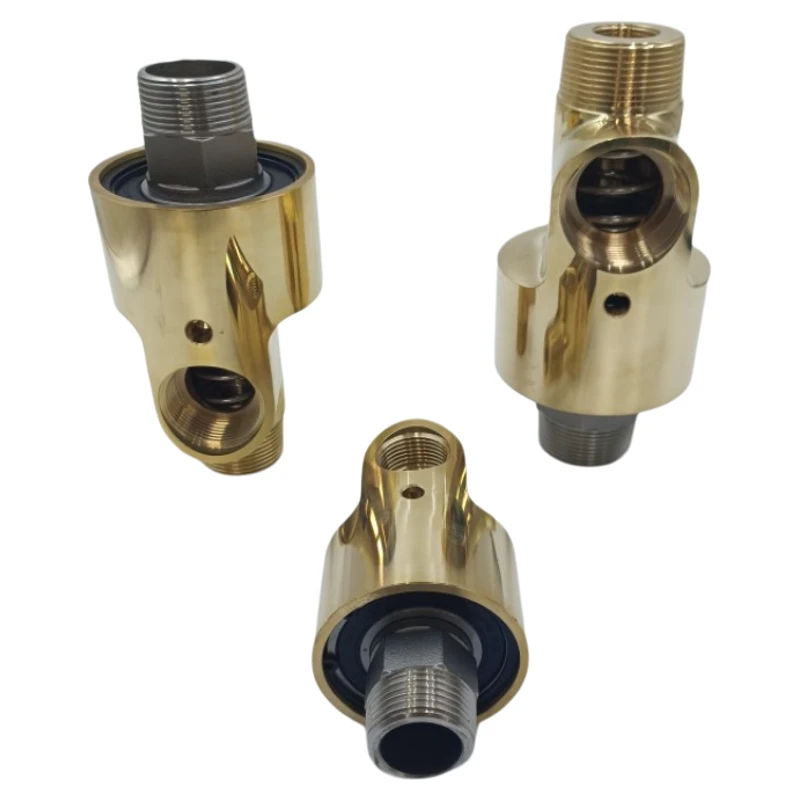

Rotating Inner Tube Type
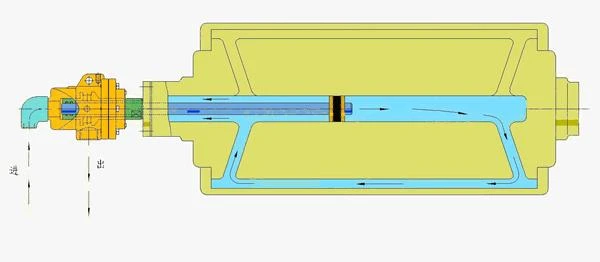
Advantages:
●Ideal for applications requiring inner tube rotation, enabling fluid input from the shaft center.
●Compact structure, suitable for high-speed rotation scenarios.
Disadvantages:
●Dynamic seals are prone to wear and require regular maintenance.
●Sealing challenges under high pressure, increasing leakage risks.
Typical Applications:
Chemical centrifuges, automatic feeding/discharging rotary tube furnaces, double-cone dryers.

Key Comparison
|
Type |
Inner Tube State |
Rotating Component |
Sealing Method |
Suitable Scenarios |
|
Fixed Inner Tube |
Stationary |
Outer tube/flange |
Static + dynamic seals |
External rotation with stable internal fluid channels |
|
Rotating Inner Tube |
Rotates with the shaft |
Housing (stationary) |
Dynamic seals (wear-resistant materials) |
Inner tube rotation required, fluid input from shaft center |
Selection Recommendations
Choose Fixed Inner Tube Type if:
The equipment rotates externally, requiring stable fluid channels and prioritizing high sealing performance and low maintenance.
Choose Rotating Inner Tube Type if:
Fluid needs to be input from the center of a rotating shaft, or the inner tube must rotate with the shaft (e.g., high-speed rotating equipment).
Key Considerations:
Fluid pressure, rotational speed, installation space, and maintenance frequency.
Notes
●Ensure thread alignment in fixed inner tube designs to prevent loosening.
●Rotating inner tube seals require regular inspection and replacement to avoid leaks.
●Material selection (e.g., stainless steel, ceramic) depends on fluid properties and operating conditions.
●Let me know if you need further refinements or additional technical details!


